Embracing Volunteer Nurses in Community Healthcare
Embracing Volunteer Nurses in Community Healthcare
Dec 12, 2025
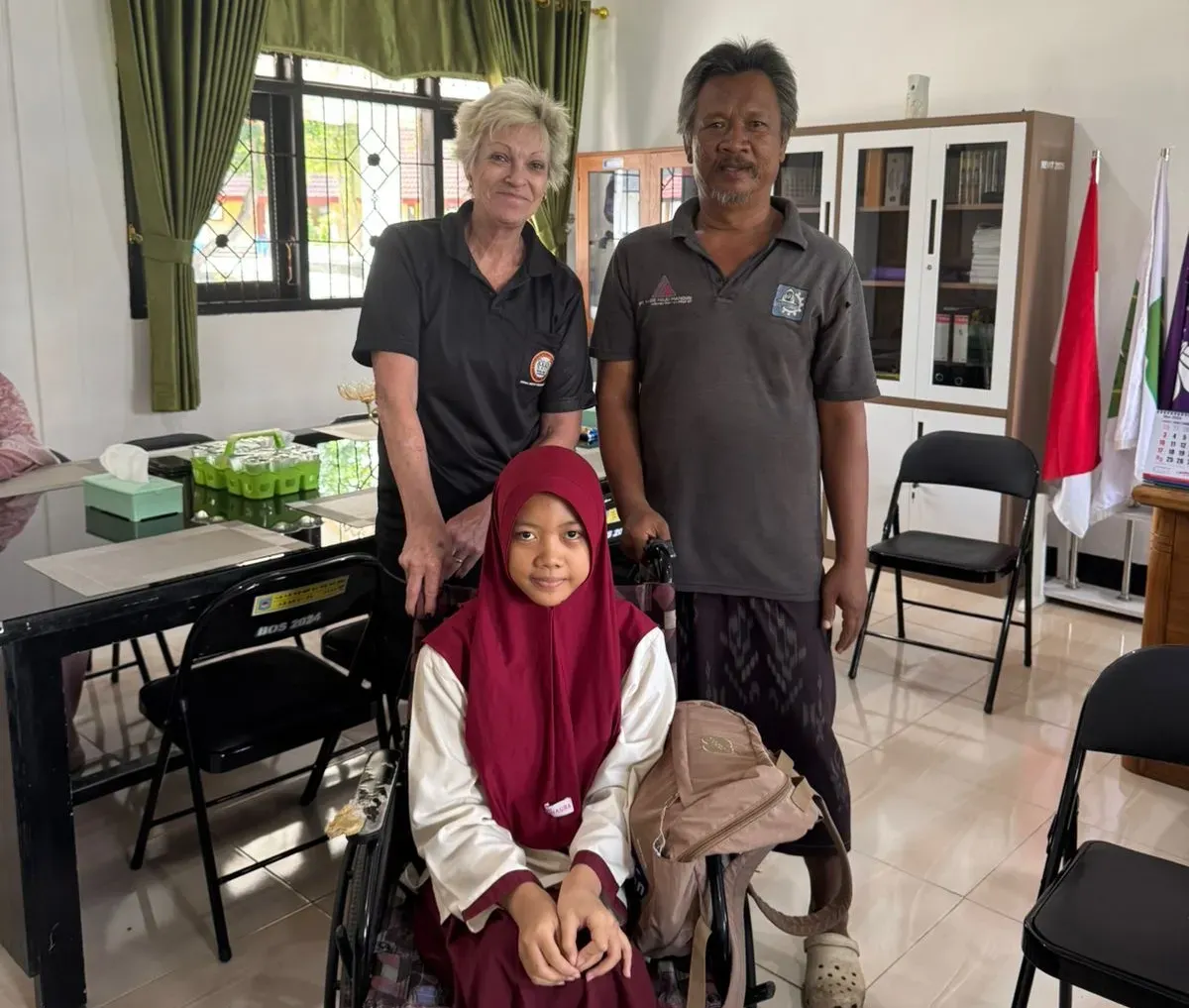
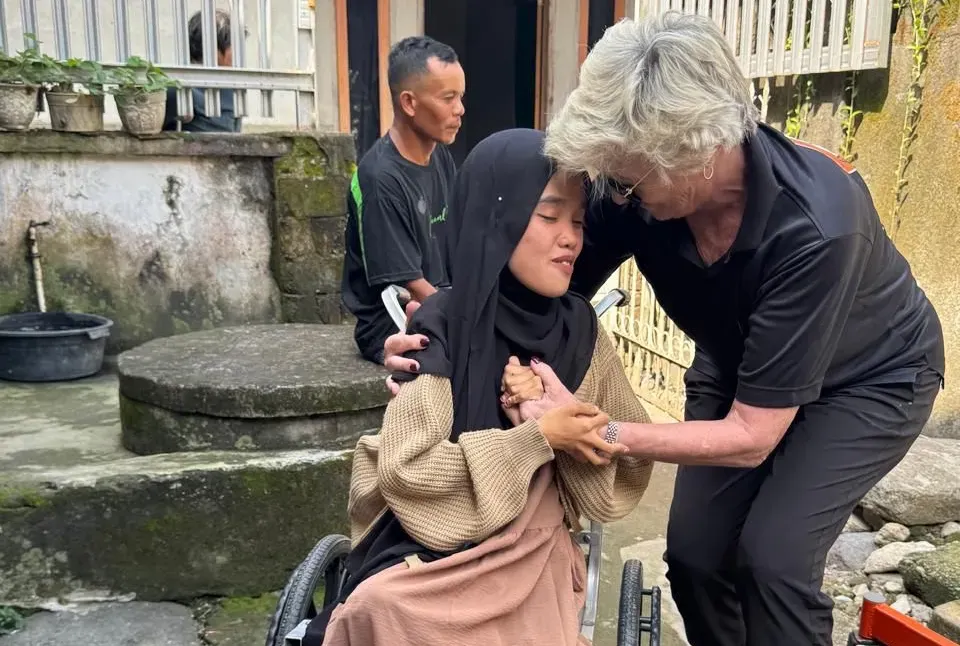
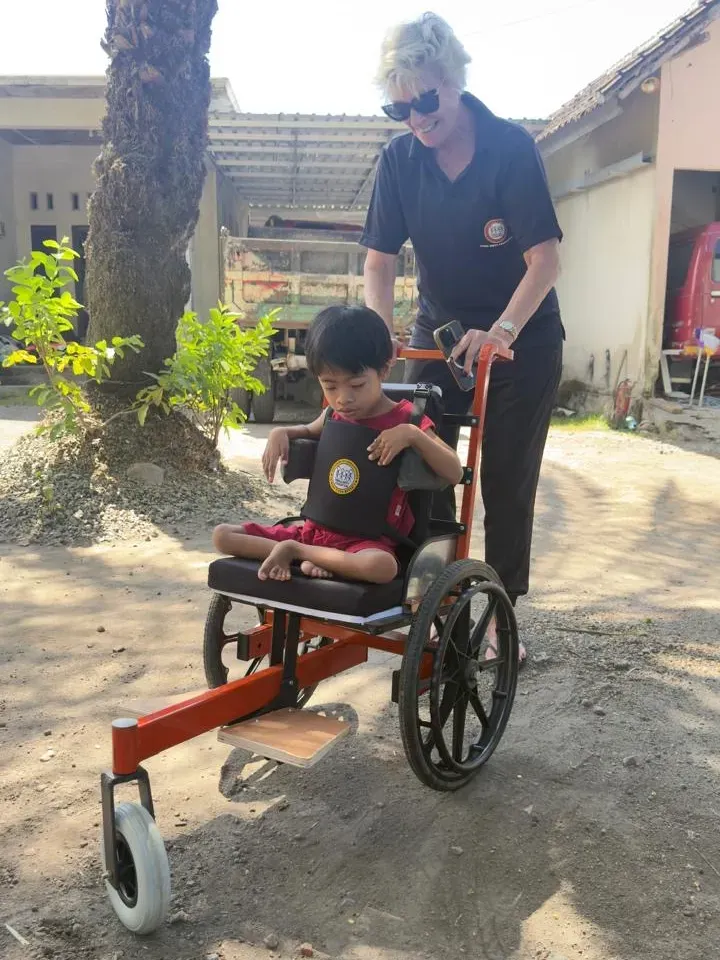
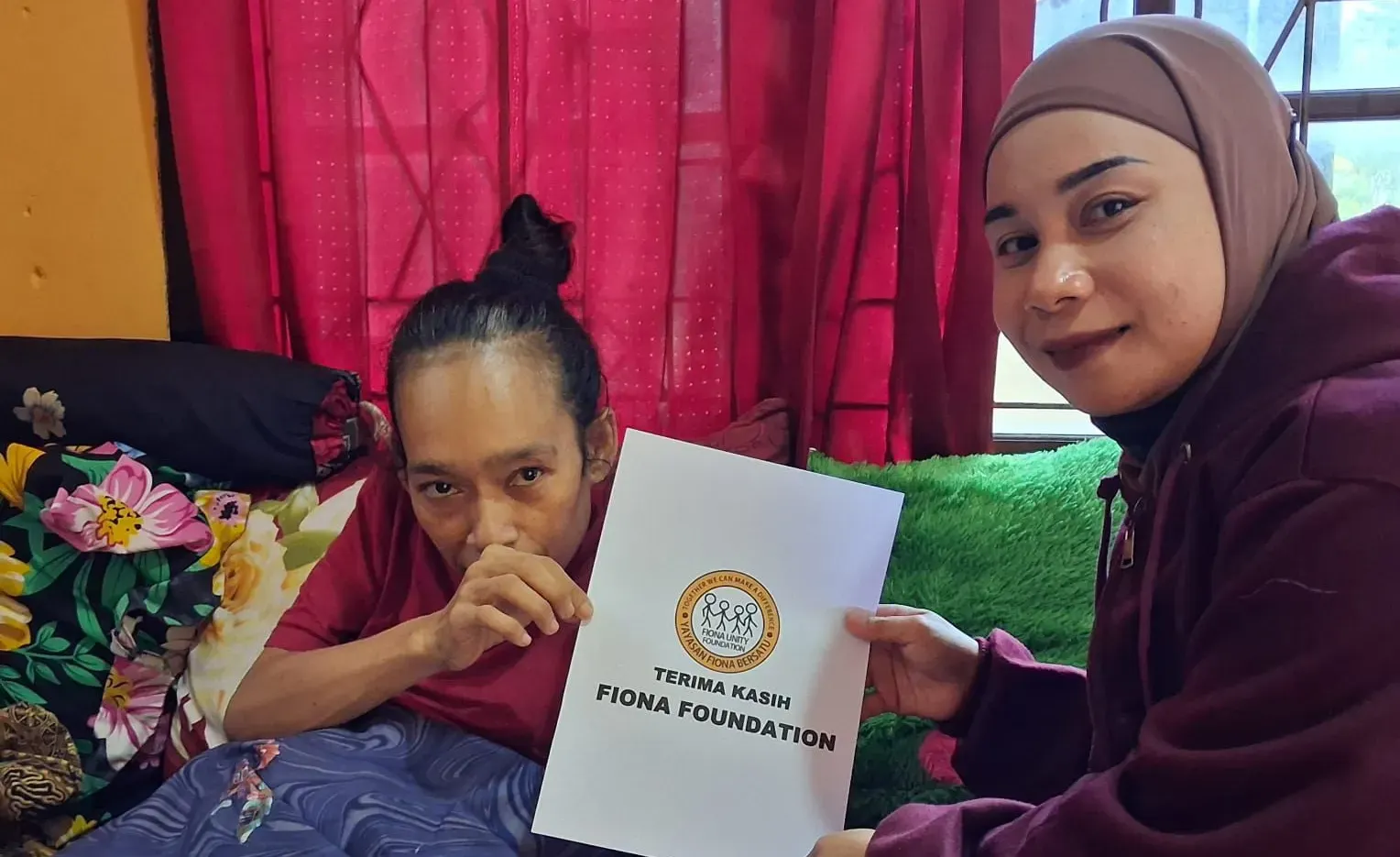
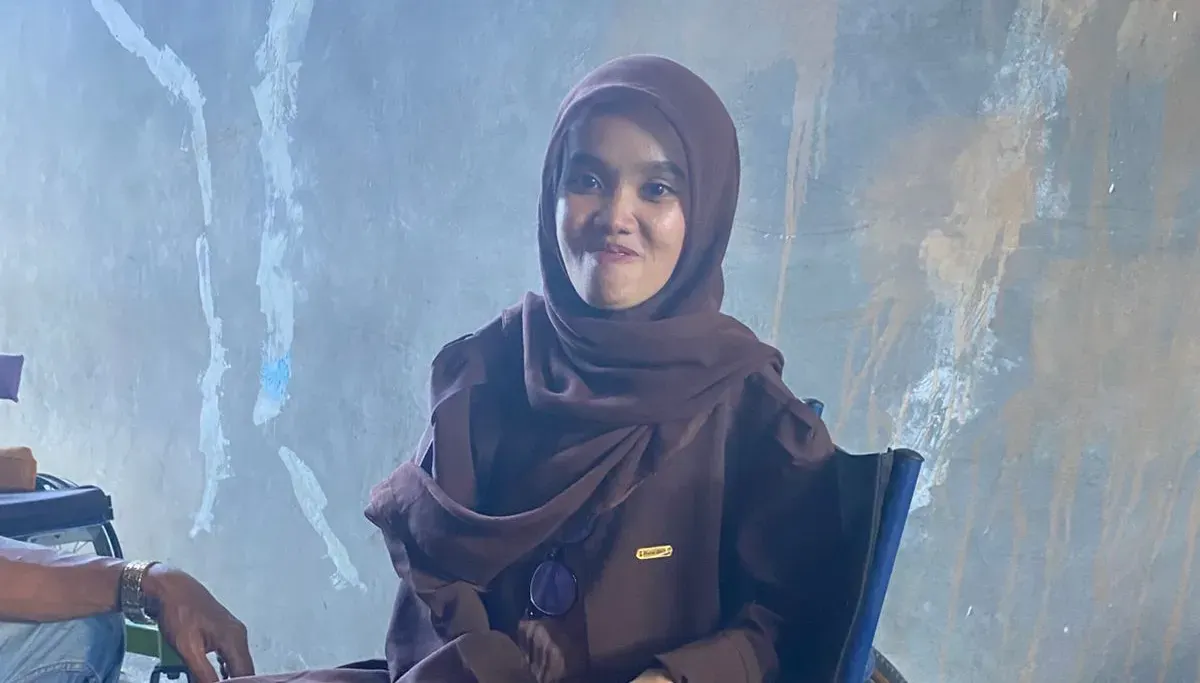
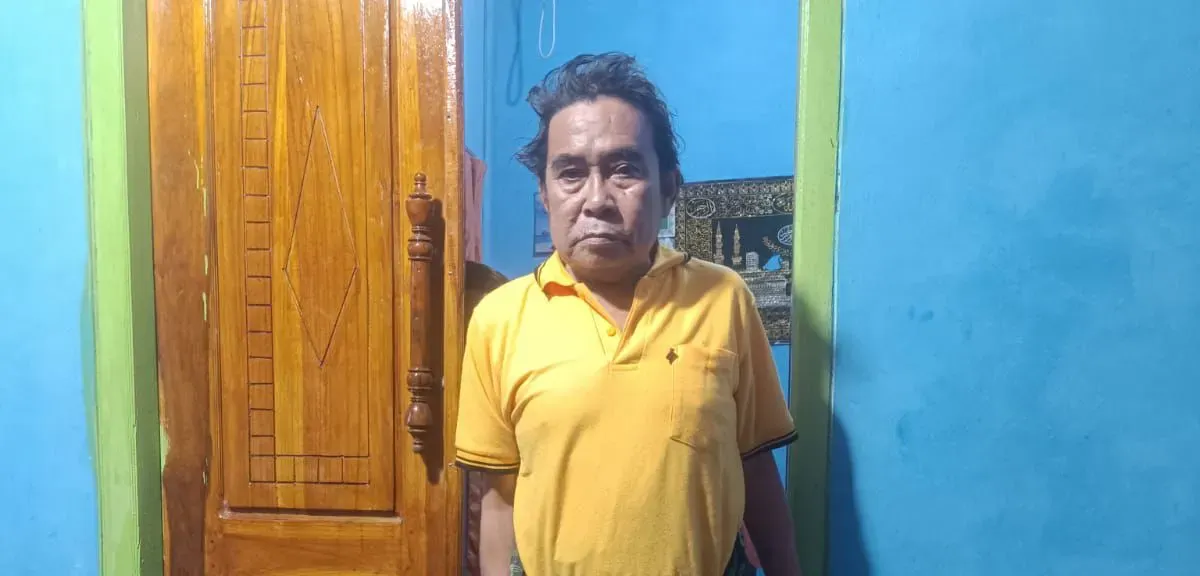
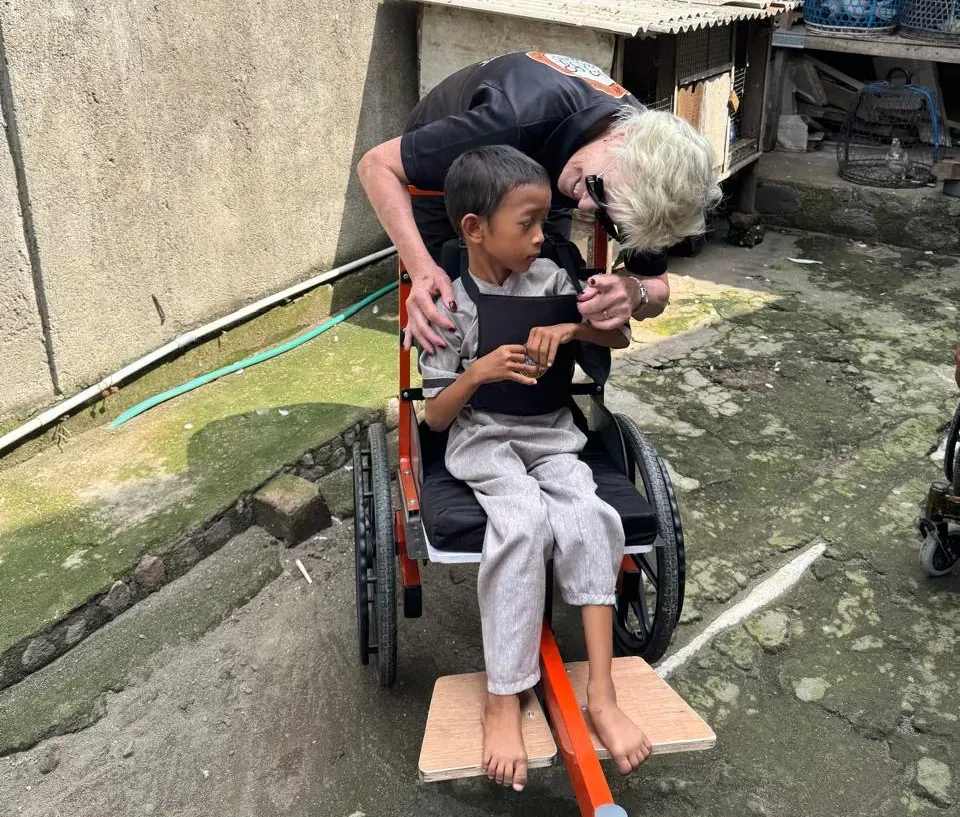
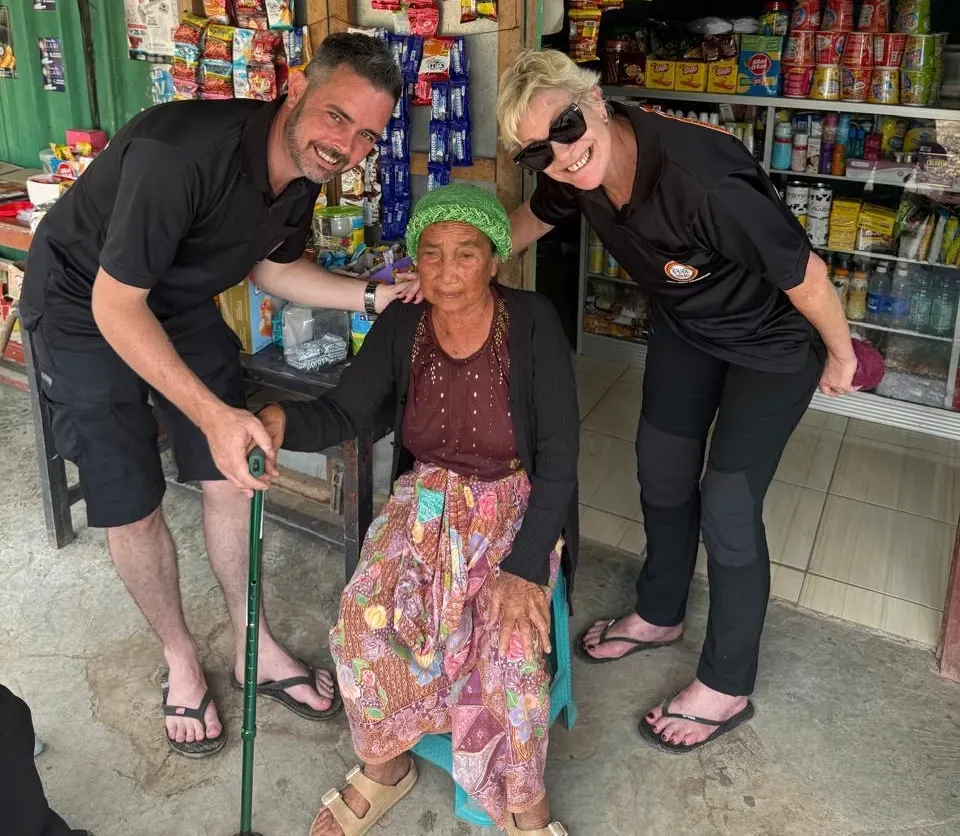
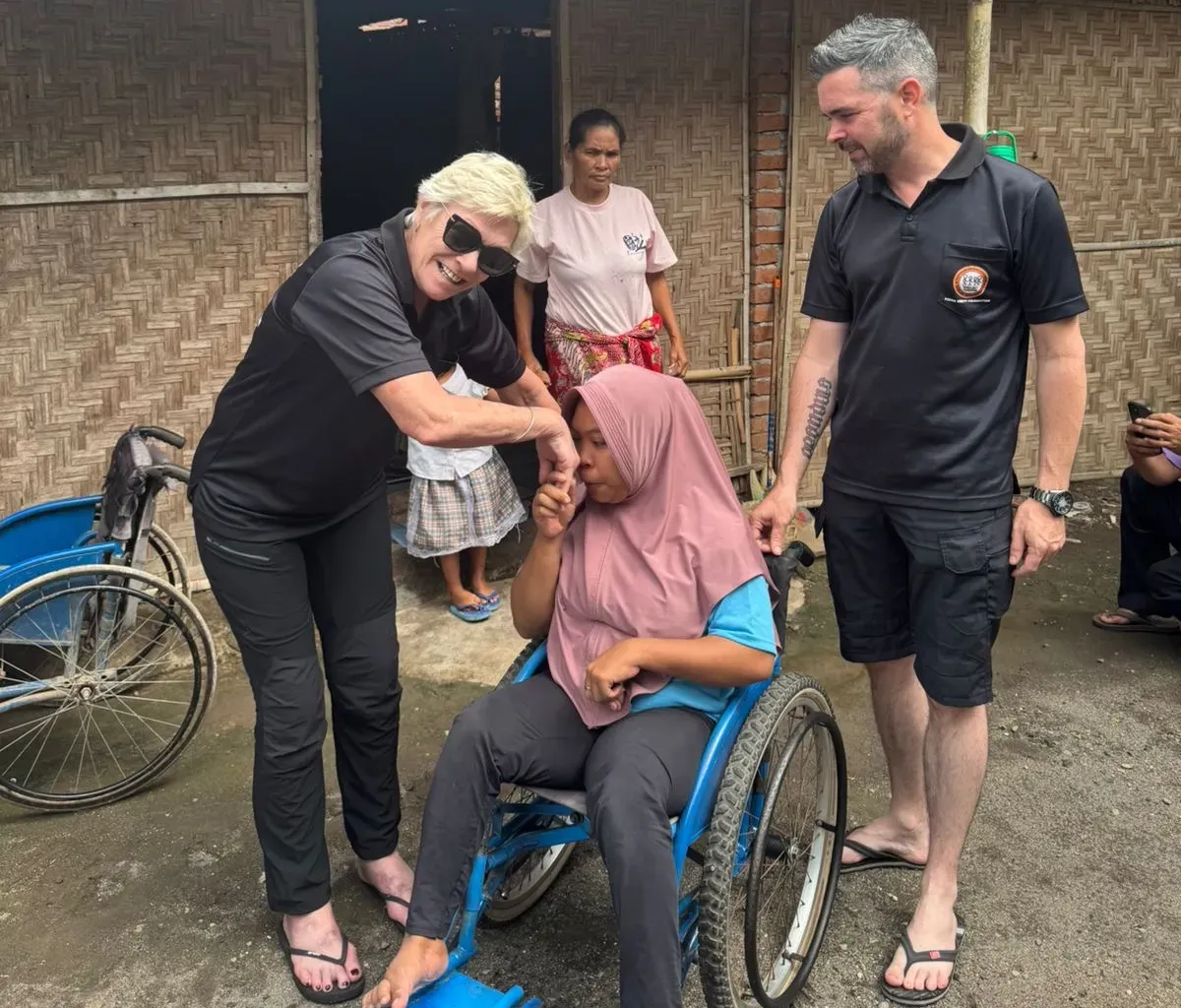
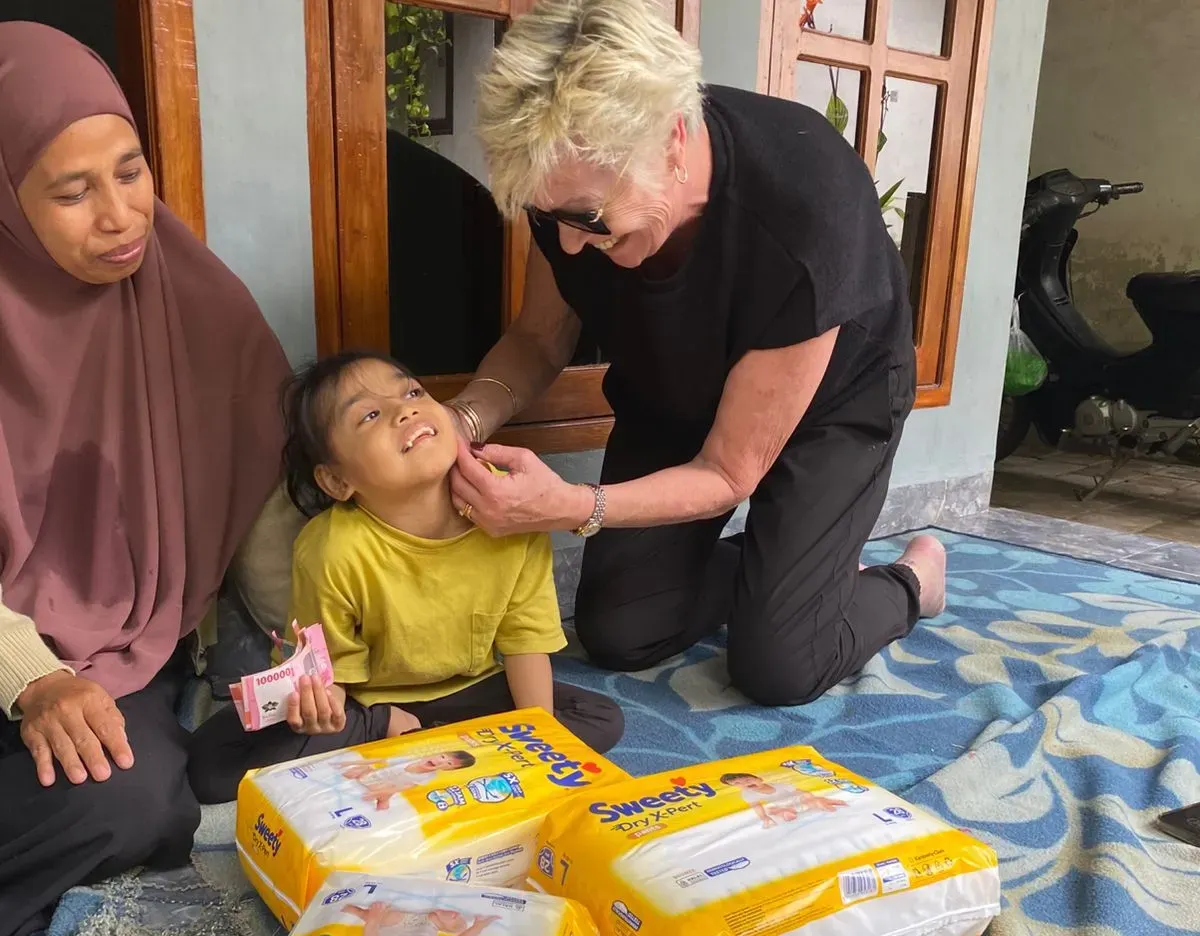
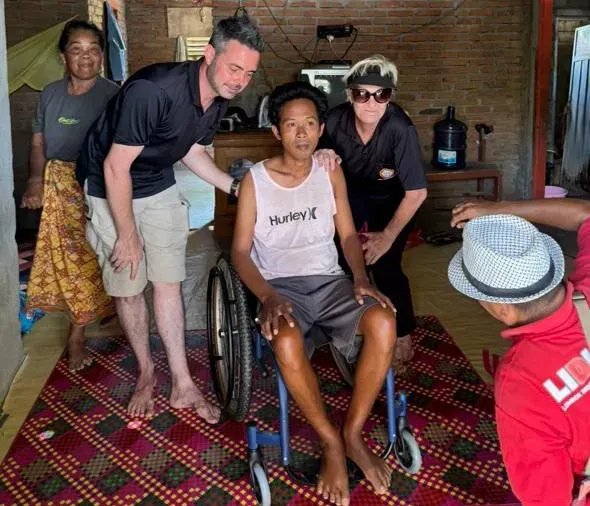
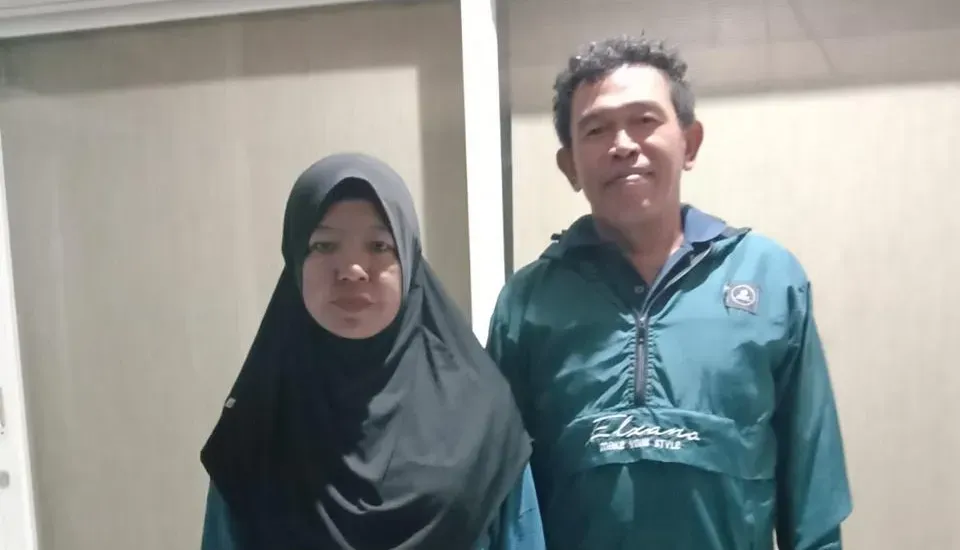
Imagine stepping into a place where every patient feels genuinely cared for beyond just medical treatment—this is the heart of volunteer nursing at places like the Fiona Unity Foundation's House of Hope. With the recent arrival of Ibu Endang, a dedicated volunteer nurse, we explore the powerful role such medical volunteers play in community health and patient care.
The Vital Role of Volunteer Nurses in Community Health
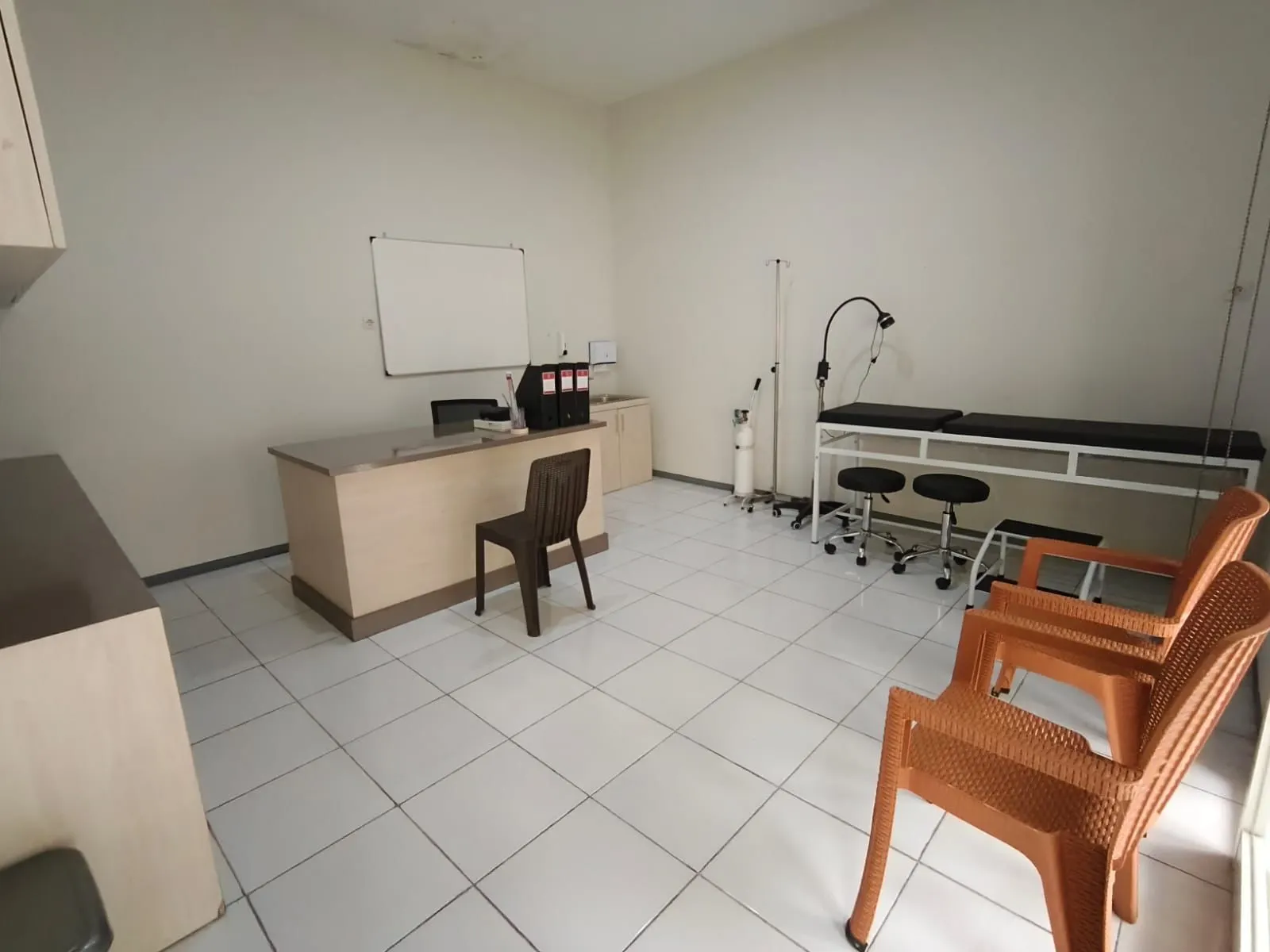
Volunteer nurses are the backbone of community healthcare, providing essential guidance and support to patients who need it most. Their dedication and compassion are especially evident in free and charitable clinics, where they help bridge the gap between patients and healthcare professionals. The recent addition of Ibu Endang, a volunteer nurse at the Fiona Unity Foundation’s House of Hope, perfectly illustrates how volunteer nurses strengthen the mission of community health organizations.
Guidance and Support During Patient Visits
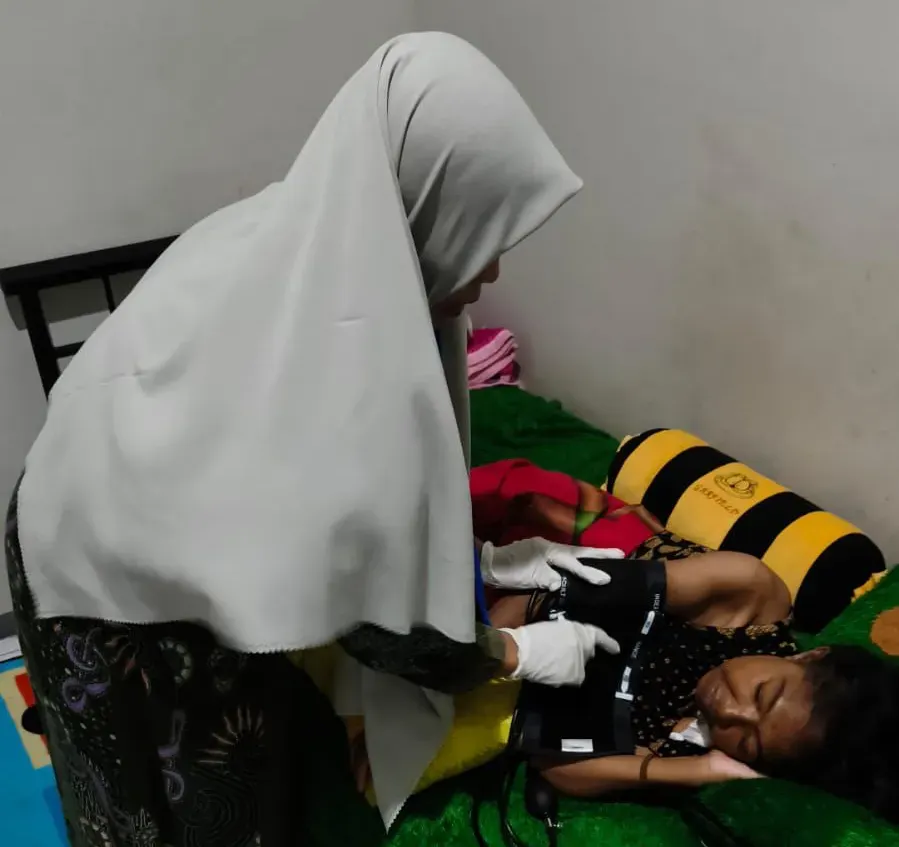
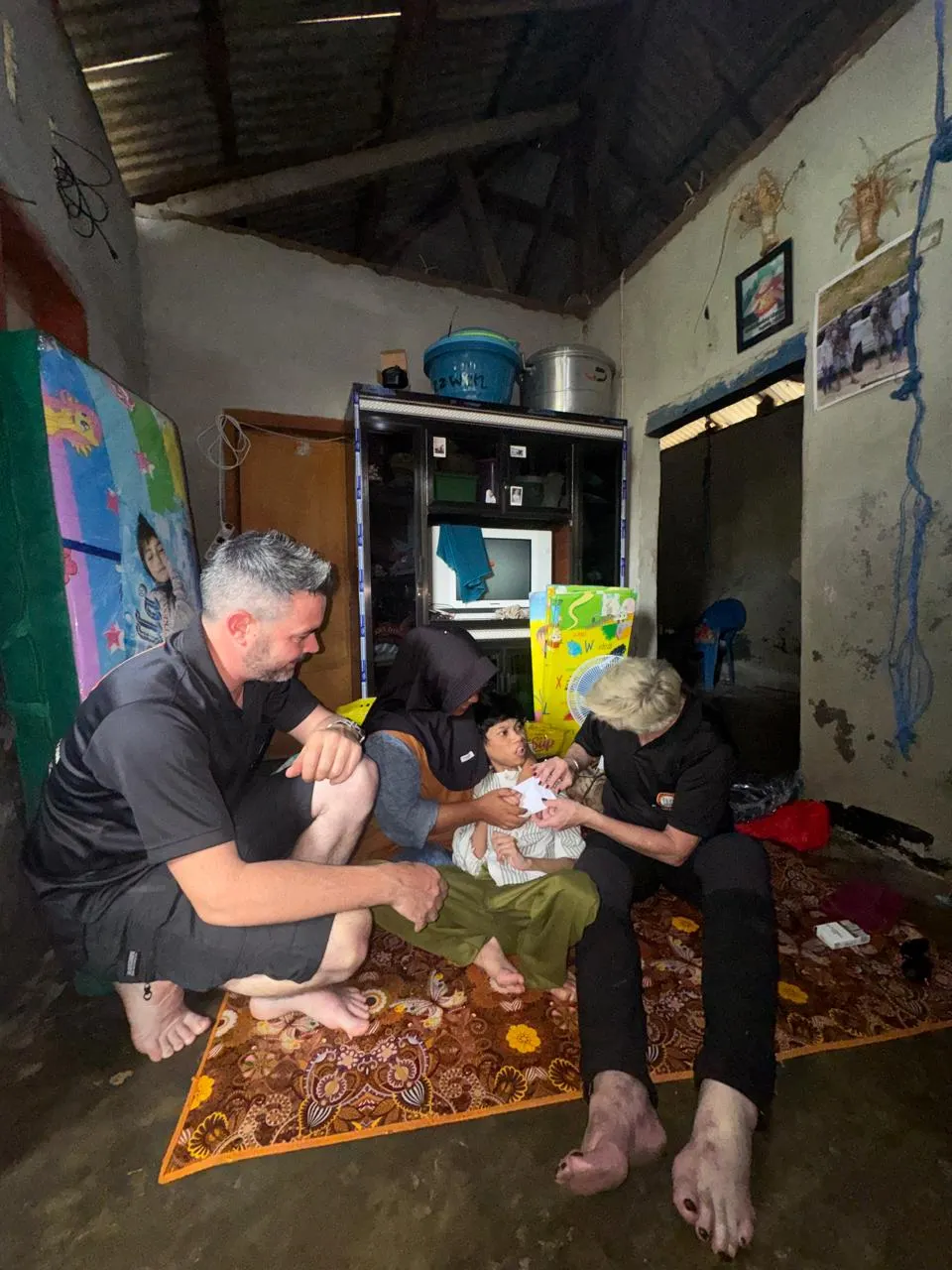
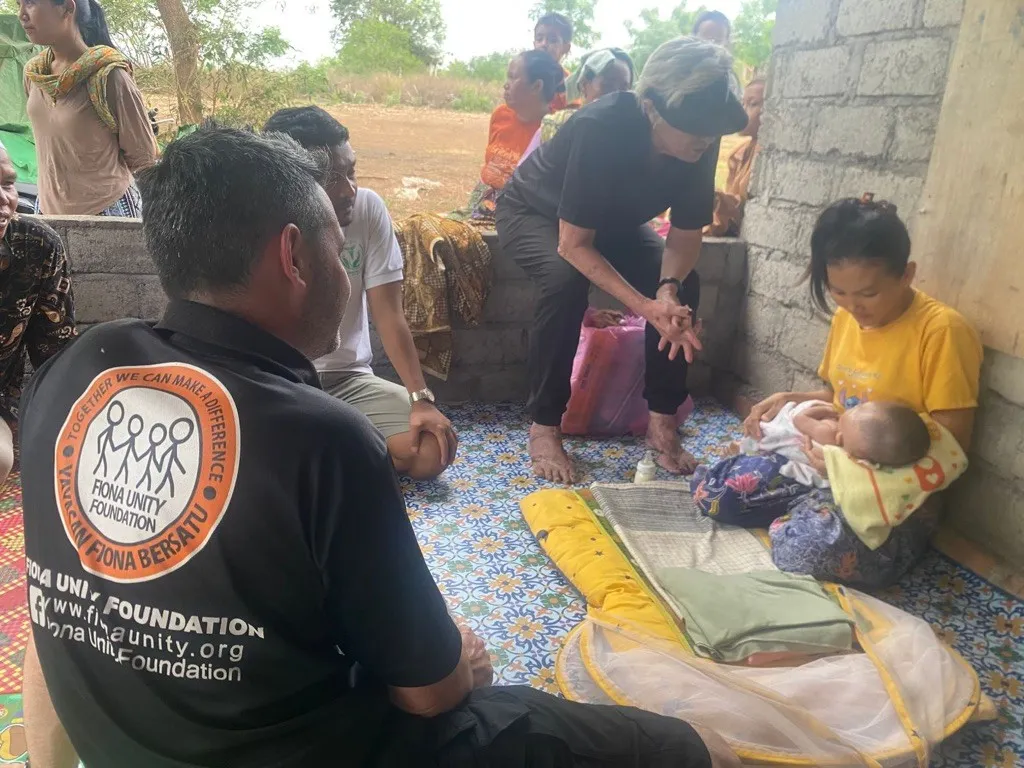
Volunteer nurses play a crucial role during patient visits, offering both medical expertise and emotional support. At House of Hope, Ibu Endang visits patients twice a week, ensuring that each individual receives consistent care and attention. This regular presence helps maintain continuity of care, which is vital for positive health outcomes. Volunteer nurses like Ibu Endang provide clear instructions, answer questions, and help patients feel more confident about their treatment plans.
Bridging Patients and Healthcare Professionals
One of the most important roles of volunteer nurses is serving as a bridge between patients and the wider healthcare team. They help connect patients with doctors, specialists, and other healthcare professionals, making sure that no one falls through the cracks. At House of Hope, Ibu Endang’s efforts to coordinate care ensure that patients receive the best possible treatment, tailored to their unique needs. This collaborative approach enhances the overall quality of patient care and supports the mission of community service.
Strengthening the Mission of Free and Charitable Clinics
Free and charitable clinics rely heavily on the dedication of volunteer nurses. According to recent data, over 200,000 volunteers support these clinics annually, with 12,100 volunteer nurses contributing in 2024 alone. Their involvement is critical, as they support millions of patient visits across the country. By volunteering their time and expertise, these healthcare professionals make it possible for clinics like House of Hope to serve more people and deliver high-quality care to those who might otherwise go without.
The Personal Touch: Comfort and Confidence for Patients
Beyond their clinical skills, volunteer nurses bring a personal touch that adds comfort and reassurance for patients navigating the healthcare system. Their empathy and commitment help patients feel seen, heard, and valued. As Dr. Emily Carter notes:
Volunteer nurses are the unsung heroes who bring warmth and essential expertise to patient care.
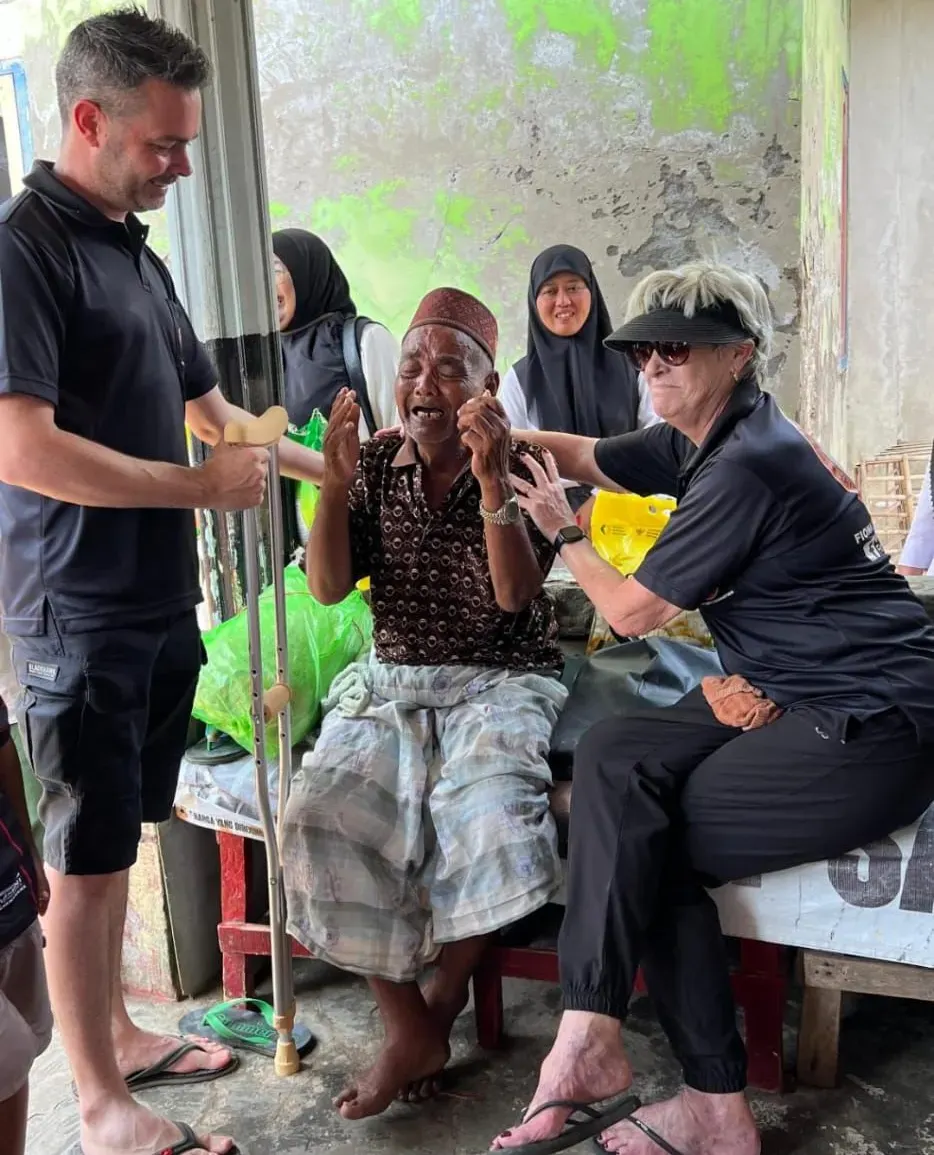
At House of Hope, Ibu Endang’s caring approach helps patients feel at ease, making a real difference in their healthcare journey. This personal connection is a key reason why volunteer nurses are so vital to community health.
- Essential guidance and support during patient visits
- Bridging patients with healthcare professionals
- Strengthening the mission of free and charitable clinics
- Providing a personal touch that comforts and empowers patients
Navigating Volunteer Opportunities in Medical Care
Volunteer opportunities in medical care are as diverse as the communities they serve. From short-term projects to weekly commitments, these programs offer a meaningful way for individuals to make a difference, whether they are seasoned nurse practitioners, aspiring nursing students, or community members eager to help. The recent addition of Ibu Endang, a volunteer nurse at the Fiona Unity Foundation’s House of Hope, highlights the vital role volunteers play in supporting patient care and strengthening healthcare missions.
Types of Volunteer Opportunities
Hospitals and community clinics offer a wide range of volunteer roles tailored to different interests and skill levels. Some of the most common opportunities include:
- Direct Patient Care: Assisting nurses and doctors with basic patient needs, providing comfort, and supporting recovery.
- Wayfinding and Information Desks: Helping visitors navigate hospital facilities and answering questions at reception areas.
- Patient Registration: Supporting administrative staff by guiding patients through the registration process and ensuring accurate records.
- Specialized Departments: Opportunities in surgical care, labor and delivery, and outpatient clinics for those with specific interests or backgrounds.
Commitment and Scheduling
Volunteer programs are designed to fit a variety of schedules. Some roles require a weekly commitment, like Ibu Endang’s twice-weekly patient visits, while others are short-term or seasonal. Adult volunteers often commit to around 100 hours per year, providing consistent support that hospitals rely on. Junior volunteer programs, which engage high school students in community service, may require a minimum of 48 hours during the summer months. These programs not only support hospital operations but also foster a sense of responsibility and compassion in younger participants.
Essential Requirements: Background Checks and Health Screenings
Ensuring the safety and well-being of patients is a top priority. Most medical volunteer programs require a thorough background check and health screening before volunteers begin their service. University medical centers, in particular, have rigorous screening processes to protect both patients and staff. These steps help maintain a secure environment and build trust within the healthcare team.
A Gateway for Aspiring Healthcare Professionals
For nursing students, medical students, and those considering a career in healthcare, volunteering offers invaluable hands-on experience. As Nurse Olivia Benson shares,
Volunteering in healthcare provides experience that textbooks can’t teach.
Whether assisting with patient registration or shadowing nurse practitioners, volunteers gain practical skills, confidence, and a deeper understanding of patient care. These experiences can be stepping stones to future careers in medicine and nursing.
The Impact of Volunteer Nurses
Volunteer nurses like Ibu Endang not only provide direct care but also act as bridges between patients and doctors, ensuring that everyone receives the best possible support. Their presence enhances patient satisfaction and strengthens the mission of community healthcare organizations. With every hour volunteered, these individuals help create a more compassionate and effective healthcare system.
Connecting Patients with Doctors: A Volunteer’s Perspective
At the heart of community healthcare, the connection between patients and doctors is vital for successful treatment and recovery. Medical volunteers, especially volunteer nurses like Ibu Endang at the House of Hope, play a crucial role in bridging this gap. Their presence not only eases the complexities of medical visits but also ensures that every patient feels seen, heard, and supported throughout their healthcare journey.
Volunteer Nurses: Easing the Complexities of Patient Care
Navigating the healthcare system can be overwhelming for many patients. Volunteer providers step in as guides, helping patients understand medical instructions, appointment schedules, and follow-up requirements. At the Fiona Unity Foundation’s House of Hope, Ibu Endang visits twice a week, offering her expertise as a clinical volunteer. She assists patients in preparing for doctor visits, ensuring they bring up all their concerns and questions. This advocacy is essential—patients often feel more confident and less anxious when they know someone is there to support them.
Advocacy and Communication: The Volunteer Provider’s Role
A key part of a volunteer nurse’s job is to advocate for patients. Many individuals struggle to communicate their symptoms or worries to doctors, especially if there are language or cultural barriers. Volunteer nurses act as patient advocates, making sure doctors understand the full picture of a patient’s health. They also relay important information back to patients in clear, simple language. This two-way communication helps prevent misunderstandings and ensures the best possible patient care.
Personal Connections Build Trust and Comfort
Personal anecdotes from the House of Hope highlight how volunteer nurses foster trust. Patients often share that having a familiar face by their side during appointments makes them feel less alone and more comfortable discussing sensitive issues. This emotional support is invaluable. As Dr. Mark Johnson puts it:
The real magic in healthcare happens when patients feel heard and supported.
Volunteer providers are not just clinical volunteers—they become trusted companions on the patient’s healthcare journey.
Patient Navigators and Emotional Support Pillars
Volunteer nurses serve as patient navigators, helping coordinate specialist referrals, manage follow-up appointments, and keep track of health screenings. Their involvement ensures that no patient falls through the cracks. At House of Hope, medical volunteers like Ibu Endang also provide emotional support, listening to patient concerns and offering reassurance. This boosts patient confidence and encourages them to stay engaged with their care plan.
- Clinical volunteers provide direct communication between patients and doctors.
- Volunteer providers help manage patient loads and support health screening efforts.
- They coordinate follow-ups and specialist referrals, ensuring continuity of care.
The House of Hope’s model demonstrates the profound impact of volunteer engagement in community healthcare. By connecting patients with doctors, volunteer nurses help create a supportive environment where healing can truly begin.
The Challenges and Rewards of Volunteering in Healthcare
Volunteering in healthcare is a unique form of community service that comes with its own set of challenges and rewards. At the Fiona Unity Foundation’s House of Hope, volunteer nurses like Ibu Endang dedicate their time and expertise to support patients, helping to bridge gaps in care and strengthen the mission of compassionate service. Their experiences highlight both the demands and the deep fulfillment that come with healthcare volunteer services.
Balancing Volunteer Hours with Life’s Demands
One of the first challenges volunteer nurses face is finding time for their volunteer hours amid personal and professional commitments. Most healthcare facilities, including House of Hope, schedule volunteers for 2-4 hour shifts per session. This flexible scheduling helps, but it still requires careful planning and dedication. Volunteers like Ibu Endang, who visits twice a week, must balance their own lives while making a meaningful impact on others. This commitment to regular service is what makes volunteer programs so vital to community health.
Background Checks and Health Screenings: Ensuring Trusted Care
Before stepping into their roles, volunteers often undergo thorough background checks and health screening processes. While these steps can seem like hurdles, they are essential for maintaining a safe and trustworthy environment for patients. Many hospitals and clinics also offer health screenings and occasional discounts as part of their volunteer benefits, recognizing the importance of keeping volunteers healthy and motivated. These requirements ensure that volunteers are well-prepared to provide the best care possible.
Building Skills and Gaining Community Respect
The rewards of volunteering in healthcare go far beyond the hours logged. Volunteers gain valuable hands-on experience, develop new skills, and often discover a renewed sense of purpose. Working alongside medical professionals, volunteer nurses learn to adapt quickly, communicate effectively, and handle unexpected situations—skills that are transferable to any career. As Nurse Practitioner Linda Matthews puts it:
Volunteering changes lives, including your own.
This sentiment is echoed by many who find that their service earns them not only professional growth but also the respect and gratitude of the community.
Moments of Impact and Lasting Memories
Perhaps the most profound reward comes from the unexpected stories and moments of impact that arise during volunteer service. Whether it’s comforting a patient, helping connect them with a doctor, or simply offering a listening ear, these experiences often become lifelong memories. Volunteers like Ibu Endang witness firsthand the difference their presence makes, reinforcing the importance of their role in community healthcare.
- Volunteer programs require flexibility and commitment.
- Community service builds strong social ties and fosters empathy.
- Volunteers support over 6 million patient visits annually.
- Disaster response volunteering showcases adaptability and compassion.
Imagining the Future: Volunteer Nursing Beyond the Clinic
The arrival of Ibu Endang Sulastri as a volunteer nurse at the Fiona Unity Foundation’s House of Hope is a shining example of how volunteer nurses are already making a difference in community healthcare. But as we look ahead, it’s clear that the role of volunteer nurses is on the brink of an exciting transformation—one that stretches far beyond the walls of any clinic or foundation.
Today’s medical volunteer programs are evolving rapidly, fueled by technology and a growing demand for specialized care. Imagine a future where volunteer nurses don’t just visit homes or clinics, but also connect with patients in remote villages through telehealth platforms. With a simple video call, a volunteer nurse practitioner could offer guidance, monitor chronic conditions, and even coordinate with local doctors to ensure no one is left behind. This kind of innovation could make volunteer abroad projects even more impactful, reaching patients in places once considered too remote or underserved.
The scope of clinical volunteers is also expanding. What if volunteer programs included more specialties, such as midwifery, pediatrics, or mental health? As training for volunteer providers becomes more specialized, nurses could offer targeted support to mothers, children, and those with unique health needs. This would not only improve outcomes but also strengthen the entire community’s well-being.
In times of crisis, the value of volunteer nurses becomes even more apparent. Across the globe, volunteer nurses are stepping up to respond to natural disasters, disease outbreaks, and humanitarian emergencies. Their ability to adapt, support overwhelmed health systems, and provide compassionate care is unmatched. As global health networks become more connected, volunteer nurses could serve as vital links—sharing knowledge, resources, and hope across borders.
Technology is set to redefine what it means to be a volunteer nurse. From mobile health apps to remote monitoring devices, new tools will allow nurses to track patient progress, offer real-time advice, and coordinate care with other professionals. This digital shift will make it easier for volunteers to support patients, whether they are across town or across the world.
The future of medical volunteer abroad programs is bright, with more students and professionals seeking opportunities to make a difference. As Dr. Sarah Lang puts it,
Volunteer nurses will redefine healthcare boundaries in the coming decade.
Their work will not only expand access to care but also inspire new generations to serve. As we embrace the possibilities ahead, one thing is certain: volunteer nurses will continue to be the heart of community healthcare, breaking barriers and building bridges—both in person and beyond the clinic.
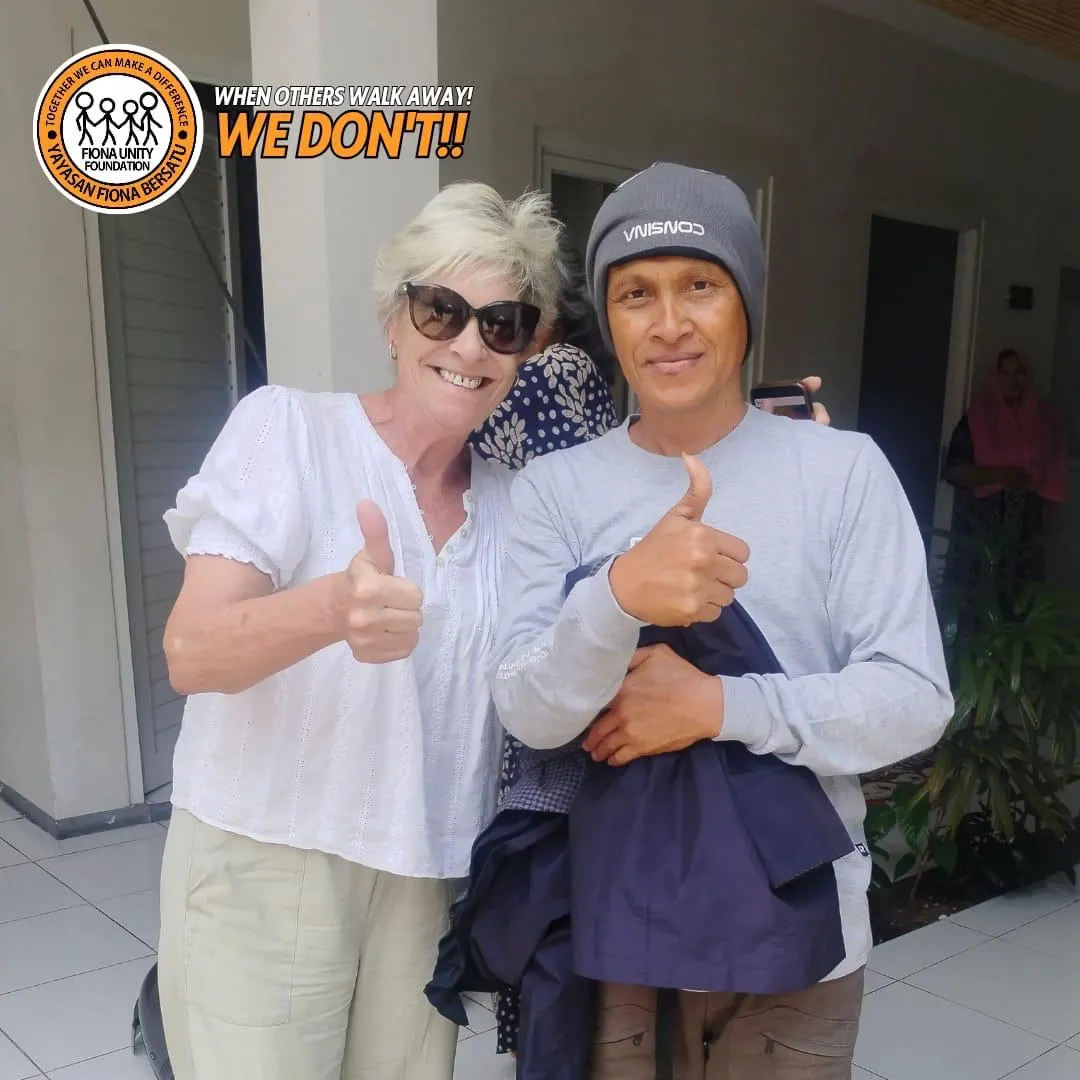
Remember! For just $200 you can make a life time change to some one in need! If you would like to support the "Fiona Unity Foundation", please contact Fiona +62 813 8361 8535.
.#VolunteerNurses, #CommunityHealthcare, #MedicalVolunteers, #PatientCare, #HealthcareHeroes, #VolunteeringMatters, #NursePractitioners, #SupportHealth, #FreeClinics, #UnityCare
TL;DR: Volunteer nurses like Ibu Endang significantly enhance patient care and community support by bridging gaps between patients and doctors, enriching medical volunteer programs.