Hope and Hygiene: Transforming SDN 2 Sekaroh's Sanitation Future
Hope and Hygiene: Transforming SDN 2 Sekaroh's Sanitation Future
Feb 08, 2026
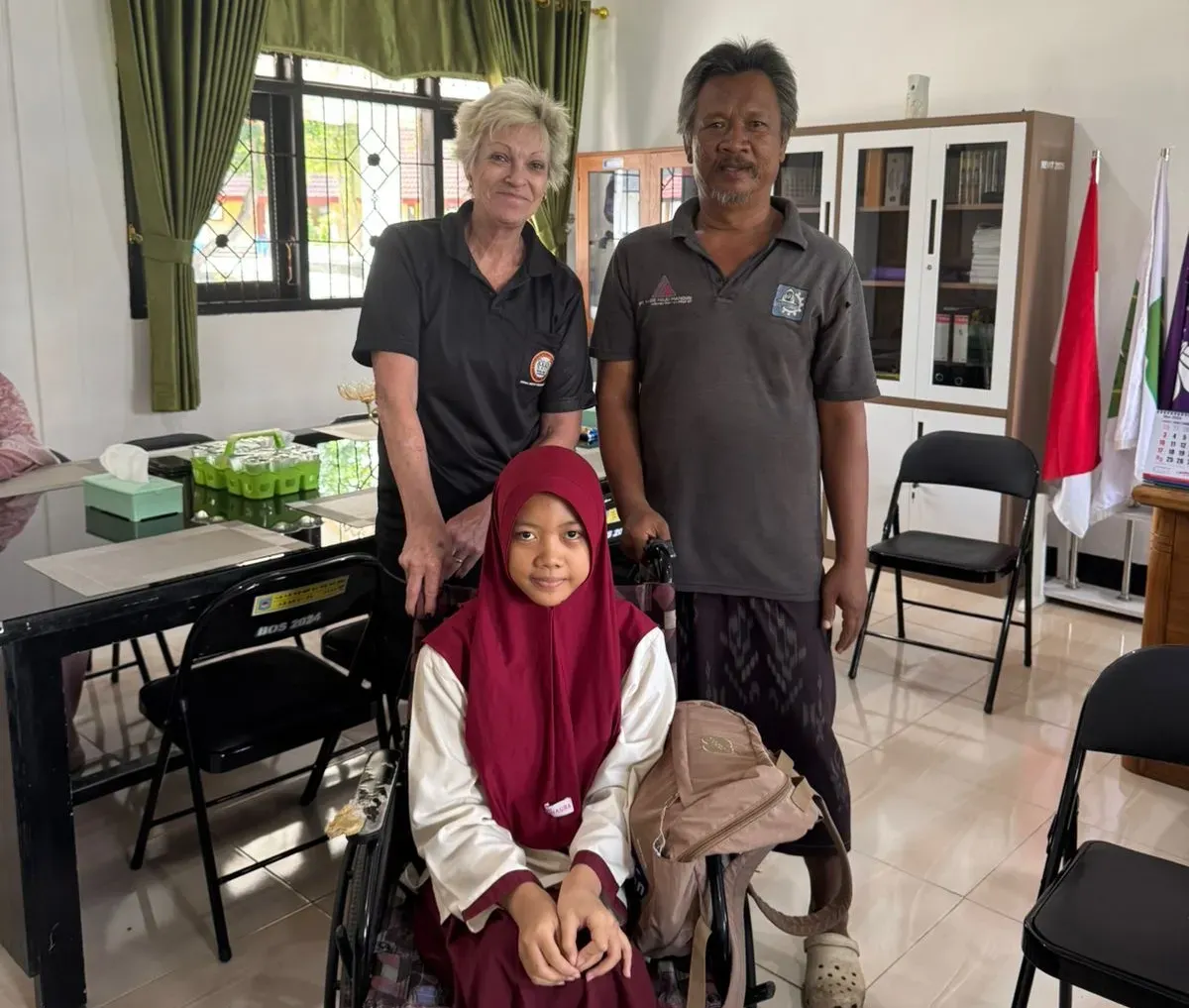
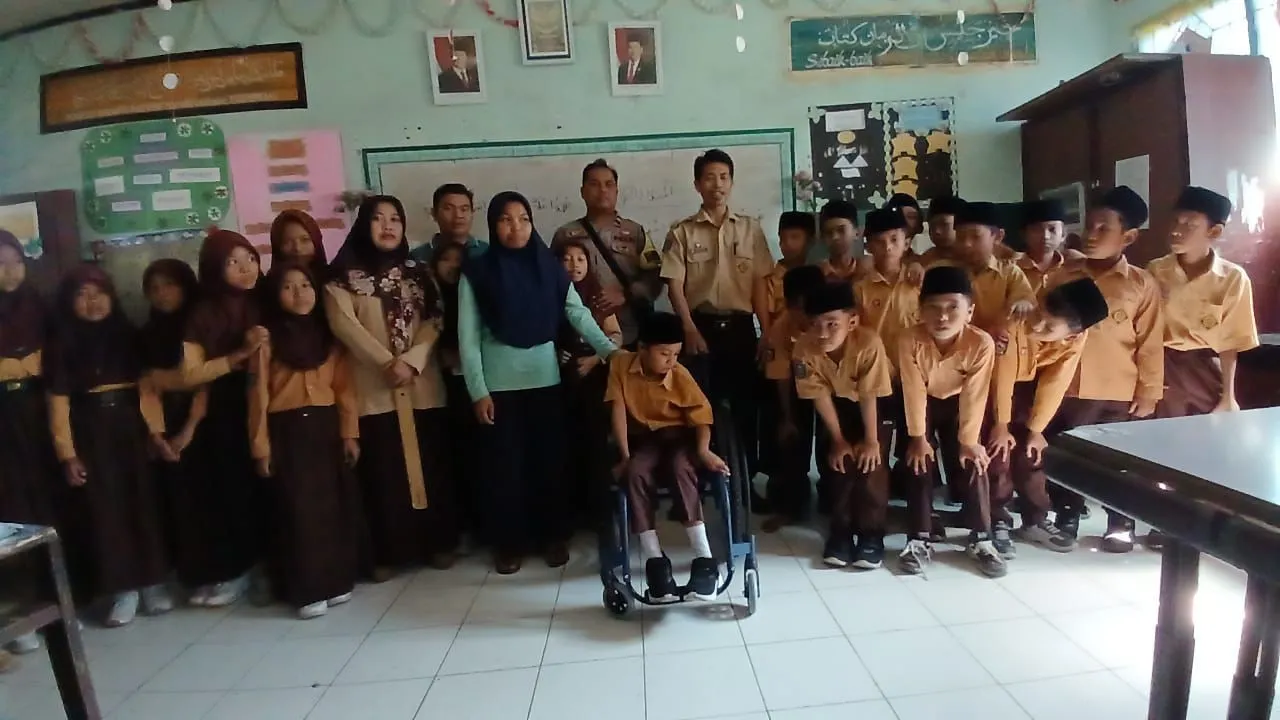
Visiting East Lombok's SDN 2 Sekaroh was a deeply moving experience for the team, uncovering a reality far harsher than expected: a school with no toilets for 300 children. This onsite revelation ignited a mission to ensure every child there has access to basic sanitation—a non-negotiable human right often overlooked even today.
The Stark Reality at SDN 2 Sekaroh
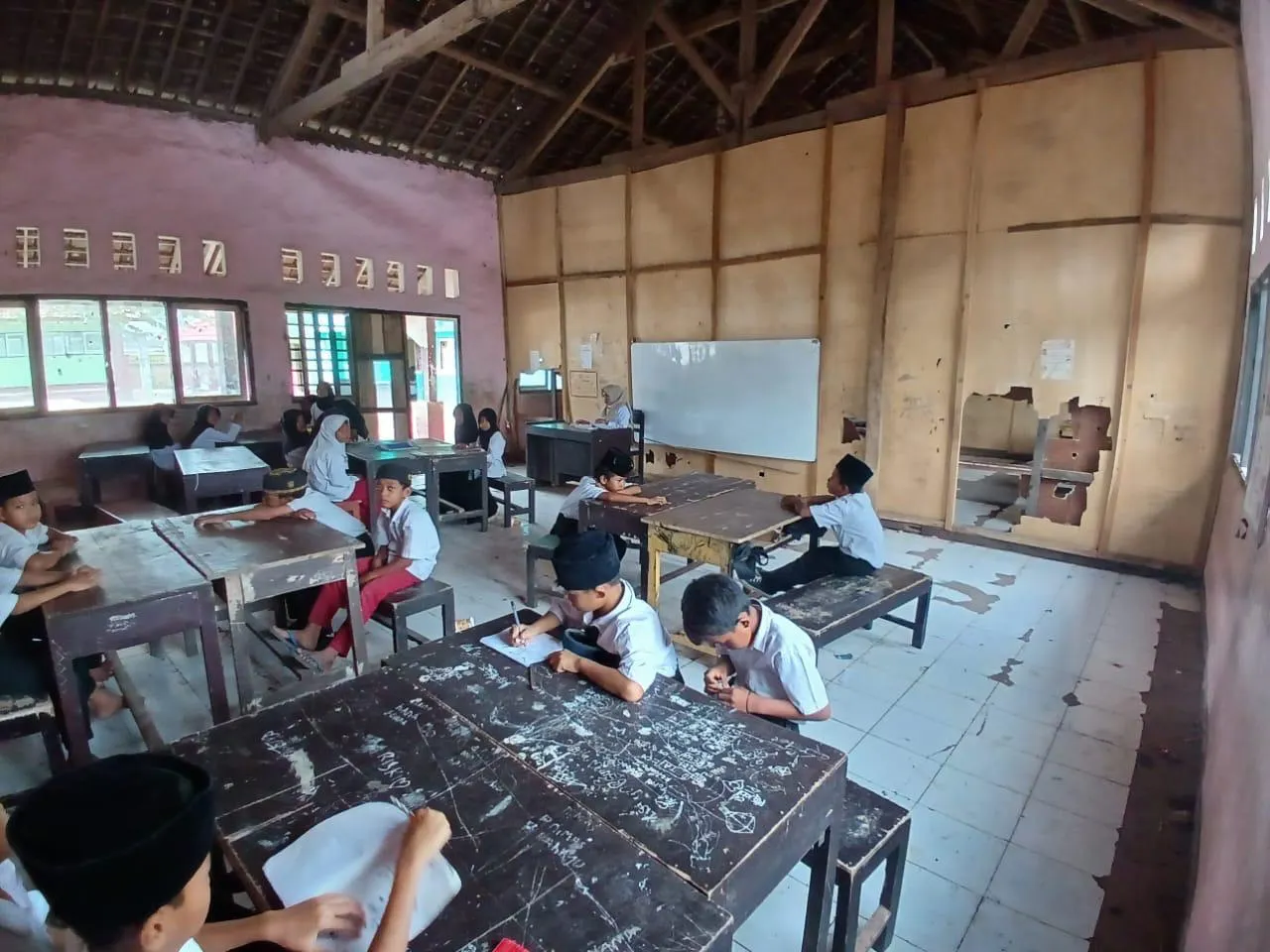
When the team arrived at SDN 2 Sekaroh in East Lombok on January 28, 2026, the truth was impossible to ignore. This school, which serves 300 bright and eager students, has no existing toilet facilities. Not a single restroom stands on the grounds. For these children, the absence of basic sanitation is not just an inconvenience—it is a daily struggle that threatens their health, dignity, and future.
No Toilets, Countless Challenges
Every day, students at SDN 2 Sekaroh face a reality that most people could never imagine. Without toilets, children are forced to find privacy in unsafe and unsanitary places. This lack of facilities exposes them to severe health risks, including the spread of disease and infection. For young girls, the situation is even more distressing, especially during menstruation, leading to missed school days and emotional distress.
- 300 students attend SDN 2 Sekaroh
- 0 toilets available on campus
- Daily exposure to unsafe and unsanitary conditions
- Increased risk of illness and absenteeism
Health and Dignity at Risk
The absence of toilets is not just a matter of inconvenience—it is a direct threat to child hygiene rights. Without access to clean and safe sanitation, children are vulnerable to waterborne diseases, skin infections, and other health problems. The lack of privacy and dignity can also lead to anxiety, embarrassment, and a loss of self-esteem, affecting their ability to learn and thrive.
"Access to basic sanitation is a human right — not a luxury." — Public Health Advocate Dr. Maya Thompson
Sanitation: A Fundamental Human Right
Basic sanitation is recognized worldwide as a fundamental human right. Yet, at SDN 2 Sekaroh, this right is missing. The students here are denied the simple dignity of using a clean toilet. This is not just a local issue—it is a global call to action. Every child deserves the right to learn and grow in a safe, healthy environment.
Urgency for Immediate Action
The situation at SDN 2 Sekaroh cannot wait. Without immediate intervention, the long-term consequences for these children could be devastating. Chronic illness, missed educational opportunities, and ongoing emotional harm are all at stake. The need for proper sanitation is urgent, and the time to act is now.
The stark reality at SDN 2 Sekaroh is a powerful reminder: basic sanitation is not a privilege, but a right. These children deserve better, and together, we have the power to make a lasting difference.
Understanding the Importance of Clean Water and Sanitation
The Critical Link Between Sanitation, Child Health, and Education
Access to clean water and school sanitation is not just a matter of comfort—it is a fundamental child hygiene right. At SDN 2 Sekaroh, the absence of toilets means that 300 students face daily risks to their health and dignity. Studies show that poor sanitation in schools leads to a higher rate of waterborne diseases, which can reduce school attendance and hinder learning. In fact, hygiene improvements can cut waterborne illnesses by up to 40%. When children are healthy, they are more likely to attend school regularly and participate fully in class.
Community Impact When Schools Lack Clean Water and Toilets
The effects of inadequate sanitation go beyond the school gates. When children do not have access to clean water and toilets, families and entire communities are affected. Illnesses spread more easily, and parents may keep children—especially girls—at home to avoid unsafe or undignified conditions. This not only disrupts education but also limits future opportunities for the whole community. As sanitation expert John Lee states:
"Providing clean water and sanitation is the foundation for a thriving community."
Without safe facilities, children are forced to make difficult choices, sometimes missing school or facing embarrassment. The lack of basic hygiene infrastructure can lead to stigma and isolation, especially for girls during menstruation.
Long-Term Benefits of Proper Sanitation for Rural Schools
Building proper sanitation facilities at rural schools like SDN 2 Sekaroh is an investment in the future. Improved clean water access and toilets help children stay healthy, confident, and focused on their studies. Over time, this leads to:
- Higher school attendance and graduation rates
- Reduced spread of preventable diseases
- Greater gender equality in education
- Stronger, more resilient communities
Research in rural education environments shows that when schools provide clean water and safe toilets, students are more likely to stay in school and succeed academically. The benefits ripple outward, improving public health and economic prospects for everyone.
Preventing Disease and Supporting Wellbeing Through Hygiene
Basic hygiene infrastructure—such as handwashing stations and clean toilets—serves as the first line of defense against disease. These simple solutions have a powerful impact: they prevent the spread of germs, reduce absenteeism, and help children build lifelong healthy habits. For SDN 2 Sekaroh, installing new toilet blocks and providing clean water is not just about facilities; it is about restoring dignity, hope, and opportunity for every child.
Community-Driven Solutions: Building the Future
At the heart of the Lombok clean water project and toilet block construction at SDN 2 Sekaroh is a simple belief: lasting change begins with the community. The vision is clear—construct new toilet blocks tailored for over 300 students and provide access to clean water, transforming daily life and health for every child at the school.
Plans for Toilet Block Construction
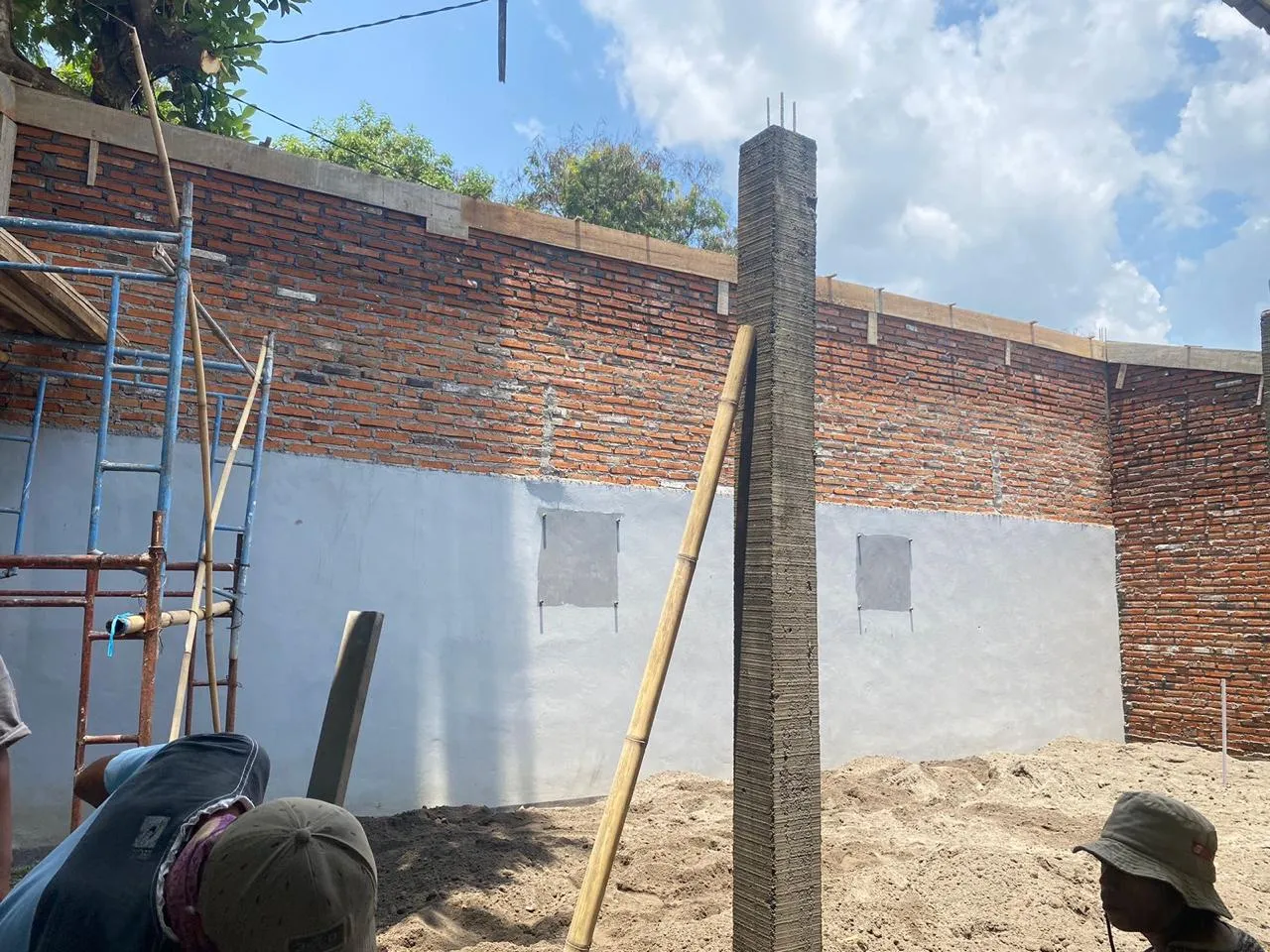
The project team has developed a detailed plan to build modern, safe, and accessible toilet blocks designed specifically for the needs of SDN 2 Sekaroh’s students. With a projected completion date in late 2026, these facilities will serve as a foundation for dignity, safety, and improved learning environments. The construction will be supported by local labor and materials wherever possible, ensuring the project not only benefits students but also supports the wider community.
Community Engagement: The Key to Sustainability
True community health improvement requires more than just new buildings. That’s why five community engagement sessions are scheduled, inviting parents, teachers, and local leaders to share their ideas and concerns. By involving the community at every stage, the project aims to build trust and ensure that solutions are embraced and maintained for years to come.
"Sustainable sanitation comes from empowered communities." — Development Coordinator Sarah Al-Mansour
This philosophy guides every step, from planning to implementation, making sure the project reflects local values and needs.
Integrating Hygiene Education
Infrastructure alone is not enough. Alongside the construction of new toilet blocks, the project will introduce hygiene education programs for students and staff. These sessions will teach the importance of handwashing, safe water practices, and personal hygiene, helping to break the cycle of preventable illness. When students understand why hygiene matters, they become champions for health in their families and neighborhoods.
Partnerships with NGOs and Volunteers
Collaboration is central to the project’s success. Partnerships with local NGOs and dedicated volunteers provide vital resources, expertise, and energy. These alliances help bridge gaps in funding, offer technical support, and ensure that the project remains on track. Volunteers from the community and beyond will play a hands-on role in both construction and education efforts, deepening the sense of shared purpose.
Learning from Success Stories
Similar sanitation and clean water projects in East Lombok have shown that when communities are engaged and supported, the results are transformative. Schools that once struggled with poor sanitation now report improved student health, higher attendance, and a greater sense of pride. These examples inspire hope and prove that community-driven solutions can build a brighter, healthier future for SDN 2 Sekaroh and beyond.
The Broader Impact of Sanitation in East Lombok
Improving sanitation in East Lombok schools, like SDN 2 Sekaroh, is about much more than building toilets. It is about creating a foundation for healthier, stronger, and more equal communities. The effects of school sanitation projects ripple far beyond the classroom, touching every part of community life.
Community Health Improvement: Beyond the School Gates
Access to clean water and proper toilets directly improves community health. When students at SDN 2 Sekaroh have safe, private toilets, they are less likely to fall ill from preventable diseases. This benefit extends to their families and neighbors, as children bring home better hygiene habits. In East Lombok, schools with upgraded sanitation have seen illness-related absenteeism drop by 25%. Fewer sick days mean more learning and a healthier community overall.
Boosting Economic Opportunities
Healthy children are more likely to attend school regularly, and their parents miss fewer workdays caring for sick kids. This creates a positive cycle: better school sanitation leads to fewer illnesses, which means more time in class and at work. Over time, this boosts economic stability for families and the wider community. A healthy, educated population is the backbone of economic growth in East Lombok.
Encouraging Gender Equality Through Safe Facilities
Private, safe toilets are especially important for girls. Without them, many girls miss school during their periods or drop out altogether. After sanitation infrastructure improvements, East Lombok schools have seen female attendance rise by 15%. This simple change gives girls the confidence and dignity to stay in school, pursue their dreams, and contribute to their communities. Addressing gender-specific challenges through sanitation is a powerful step toward equality.
Environmental Stewardship Through Proper Waste Management
Proper sanitation is closely linked to environmental protection. When waste is managed safely, it prevents pollution of local water sources and soil. This protects not only the school but the entire ecosystem around it. Clean water and safe waste disposal are essential for sustainable development in East Lombok. As Dr. Lina Marcus, Environmental Policy Analyst, says:
"Sanitation is a cornerstone of equitable and sustainable development."
Sanitation’s Ripple Effect
- Health: Reduced disease and improved well-being for students and families.
- Economy: More school days and workdays, fueling community growth.
- Gender Equality: Safe toilets empower girls to stay in school.
- Environment: Proper waste management protects natural resources.
Improving sanitation at SDN 2 Sekaroh is a vital step. It echoes beyond the school walls—boosting public health, economic stability, and environmental stewardship in East Lombok communities.
A Call to Action: Joining Hands for Change
When the team first set foot in SDN 2 Sekaroh, East Lombok, the reality was stark: not a single toilet for 300 children. The absence of basic sanitation is not just an inconvenience—it is a violation of child hygiene rights and a clear reminder that human rights sanitation is still out of reach for many. No child should ever have to endure such conditions. These children deserve dignity, health, and hope.
Why should global citizens care about sanitation inequality in remote schools like SDN 2 Sekaroh? Because access to clean water and safe toilets is a fundamental human right. When children are denied this, their health, education, and future are put at risk. The fight for sanitation is not just a local issue; it is a global responsibility. Every child, no matter where they live, deserves a safe and healthy environment to learn and grow.
The journey to community health improvement starts with each of us. There are many ways to be part of the solution. Volunteering your time, making a donation, or simply sharing the story of SDN 2 Sekaroh can create ripples of change. Advocacy is powerful—raising your voice for those who cannot be heard can influence policies and inspire others to act. Every effort, no matter how small, counts in transforming lives.
Imagine a future where no child lacks basic sanitation. A future where every school has clean water and safe toilets. This vision is possible, but it requires collective action. When communities, organizations, and individuals join hands, individual suffering is transformed into hope. The story of SDN 2 Sekaroh is not just about hardship—it is about resilience and the power of people coming together.
Change makers are already at work. Volunteers have traveled miles to assess the needs, donors have stepped forward to fund new toilet blocks, and advocates have raised awareness far beyond East Lombok. Their stories inspire us all. As Project Founder Daniela Kim says:
"Together, we can change their future."
Mobilizing public support and raising awareness is crucial. When people care, they act. And when they act, real change happens. The impact of small actions—whether it’s a shared post, a dollar donated, or an hour volunteered—can lead to large-scale transformation. The fight for sanitation access is a fight for dignity, health, and hope for every child at SDN 2 Sekaroh.
We cannot walk away from this. Now is the time to join hands for change. Together, we can ensure that every child’s right to hygiene and health is protected, and that the future of SDN 2 Sekaroh is filled with hope.
Remember! For just $200 you can make a life time change to some one in need! If you would like to support the "Fiona Unity Foundation", please contact Fiona +62 813 8361 8535.
CleanWaterForAll, #SDN2Sekaroh, #ChildRights, #SanitationMatters, #EastLombok, #HumanRights, #CommunityHealth, #ToiletAccess, #WaterForKids, #ChangeMakers
TL;DR: SDN 2 Sekaroh's lack of toilets highlights critical sanitation challenges affecting child health and dignity. Community-driven initiatives are vital to delivering lasting solutions and transforming lives.