Nurhayati's Journey: Fighting Disability Stigma in Indonesia
Nurhayati's Journey: Fighting Disability Stigma in Indonesia
Feb 01, 2026
Imagine living each day with physical challenges stemming from polio but receiving a kind hand that changes everything. This is the story of Ibu Nurhayati, a 40-year-old woman from Central Lombok whose life transformed thanks to community allies and global kindness. Beyond her personal struggle lies a larger fight for disability rights and access to healthcare in Indonesia — a fight that mirrors the experiences of many. This post unpacks her journey, the societal hurdles she faces, and the broader implications for inclusive healthcare.
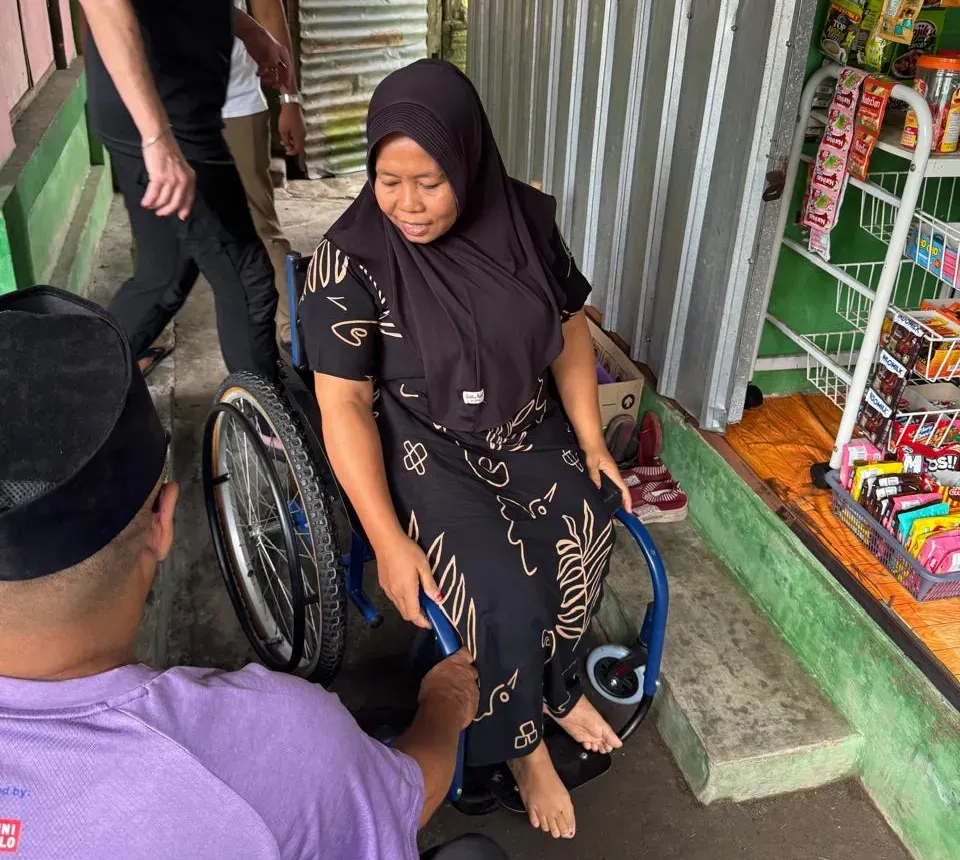
A Personal Portrait: Nurhayati’s Daily Realities
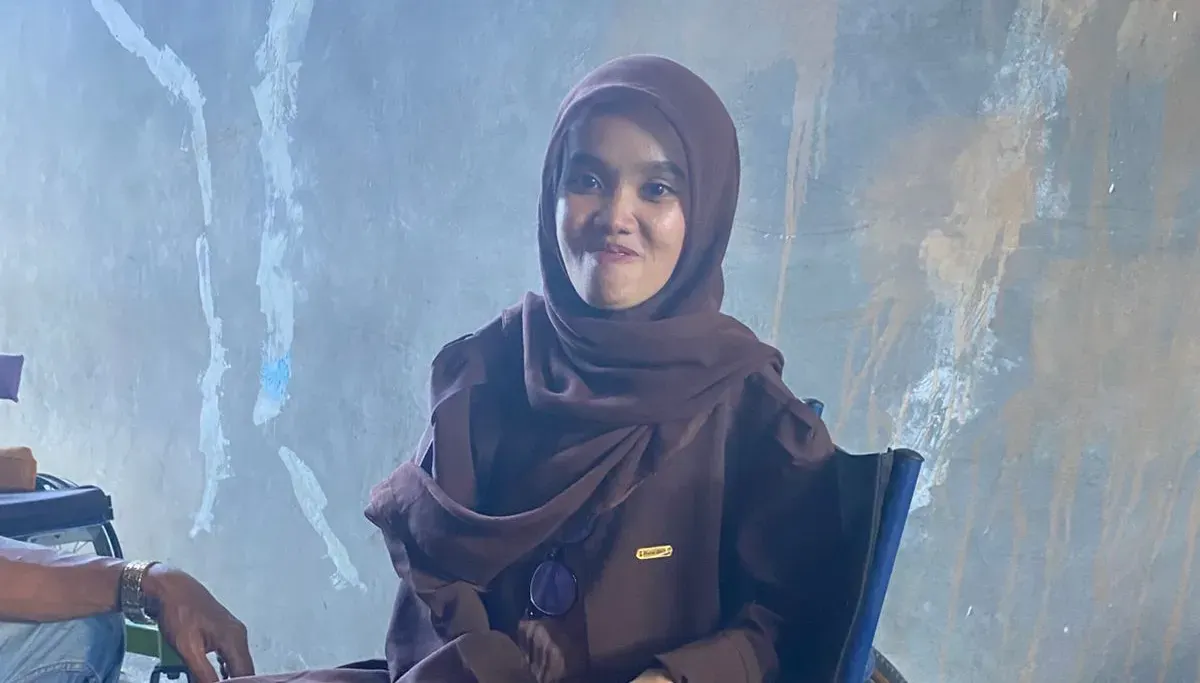
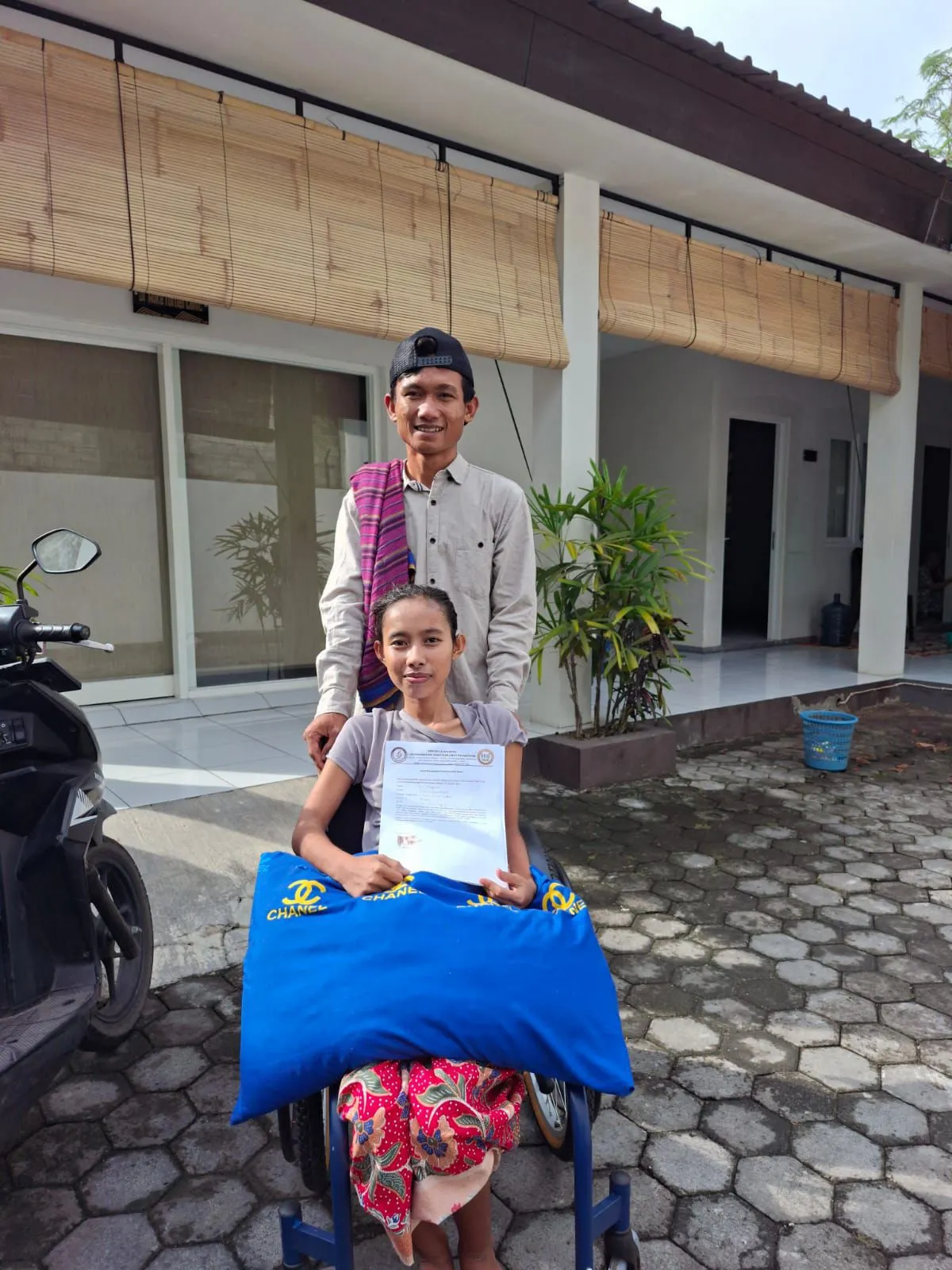
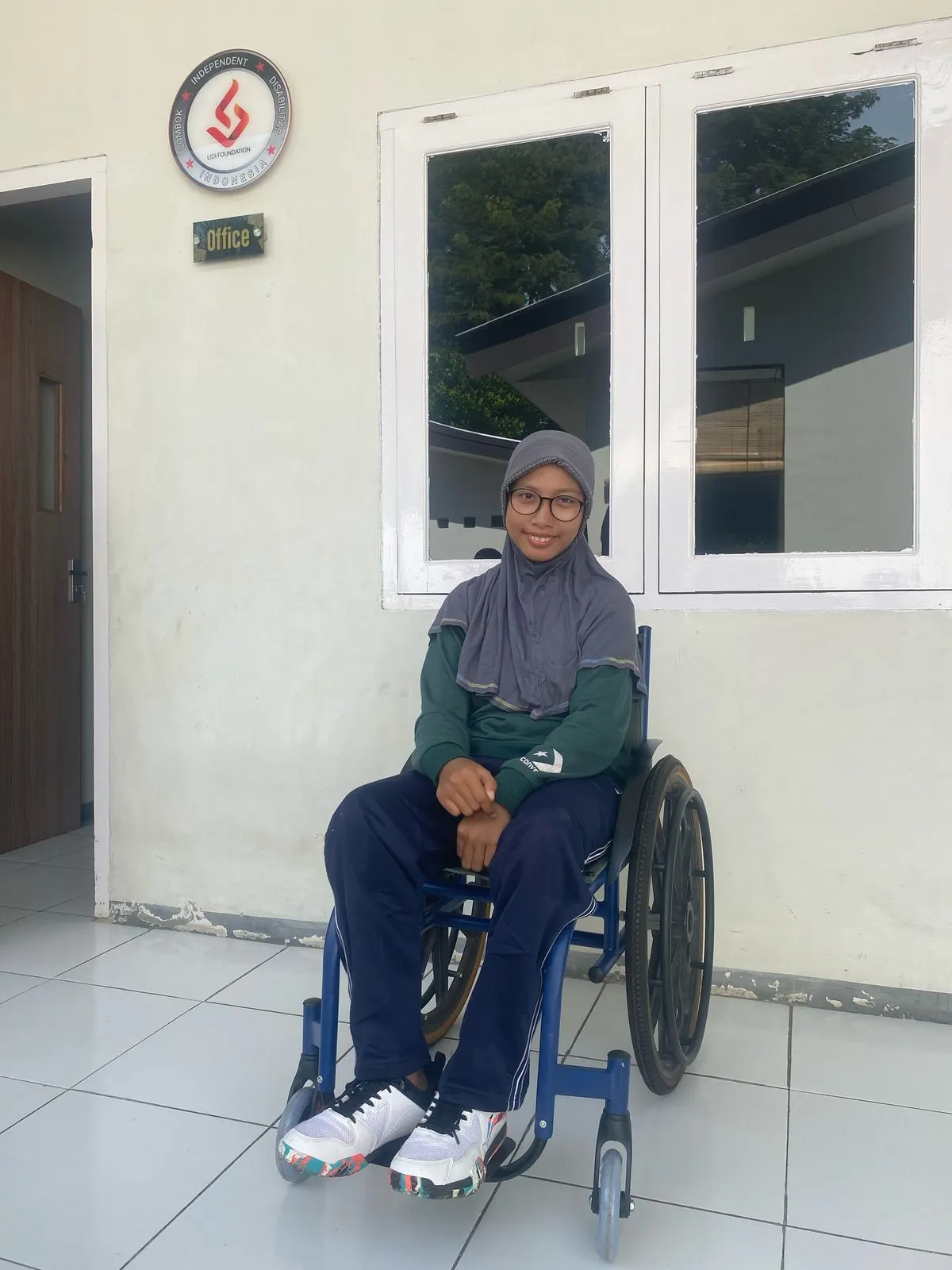
In the heart of Central Lombok, Indonesia, lives Ibu Nurhayati, a 40-year-old woman whose life story brings the realities behind disability statistics into sharp focus. Residing in Puyung, a rural village in the Jonggat District, Nurhayati’s journey is shaped by her experience with a polio-related disability. Her daily life, marked by both challenges and moments of hope, reflects the broader struggle for disability rights and the essential role of community support in Lombok.
Background: Life in Rural Central Lombok
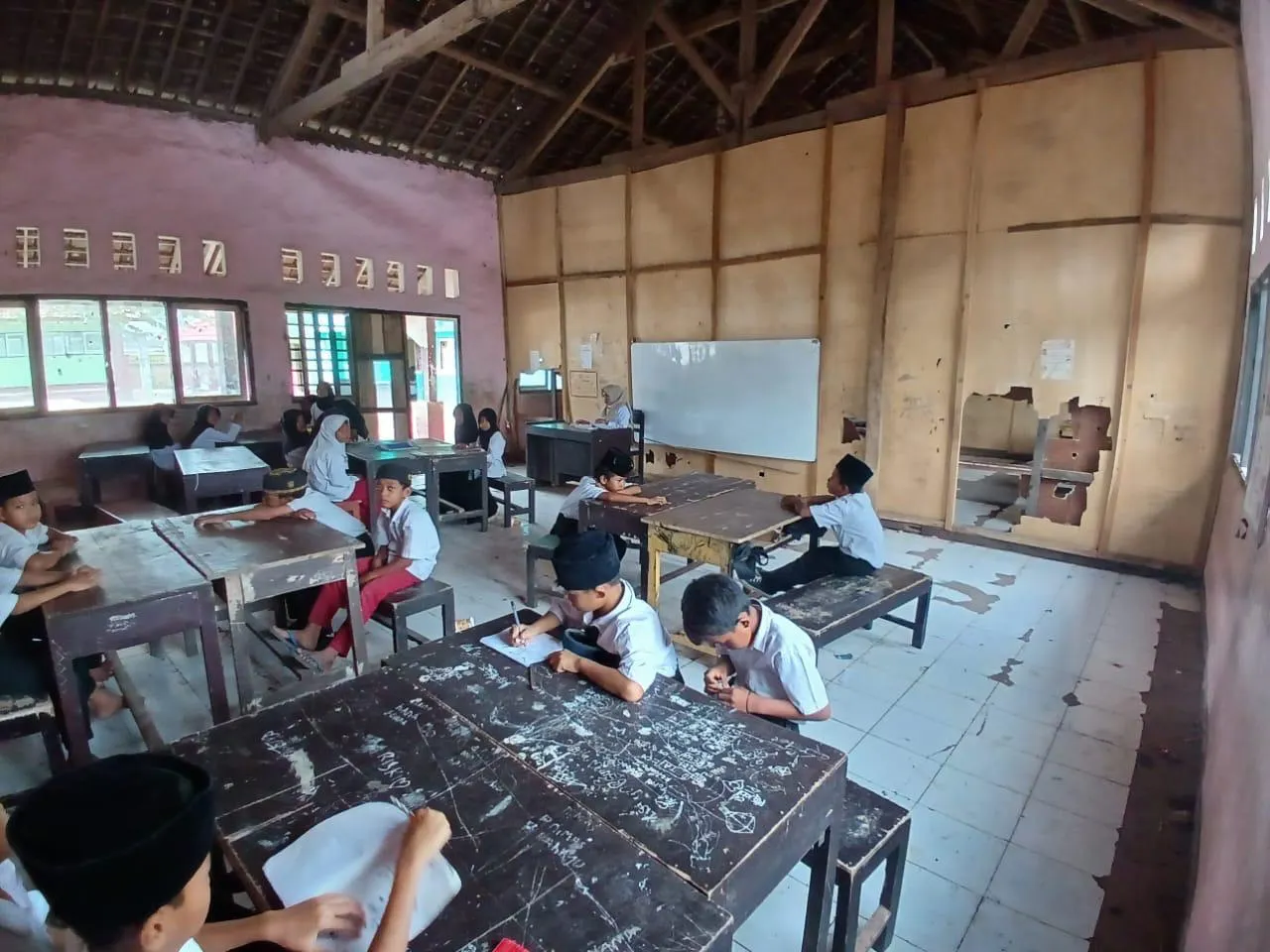
Nurhayati’s home in Puyung is surrounded by rice fields and narrow, winding roads. Like many rural areas in Indonesia, Central Lombok faces limited infrastructure and scarce access to health and social services. For someone living with a polio disability, these conditions create extra barriers. Simple tasks—such as traveling to the market, accessing medical care, or participating in community events—require significant effort and planning.
The Daily Impact of Polio Disability Support
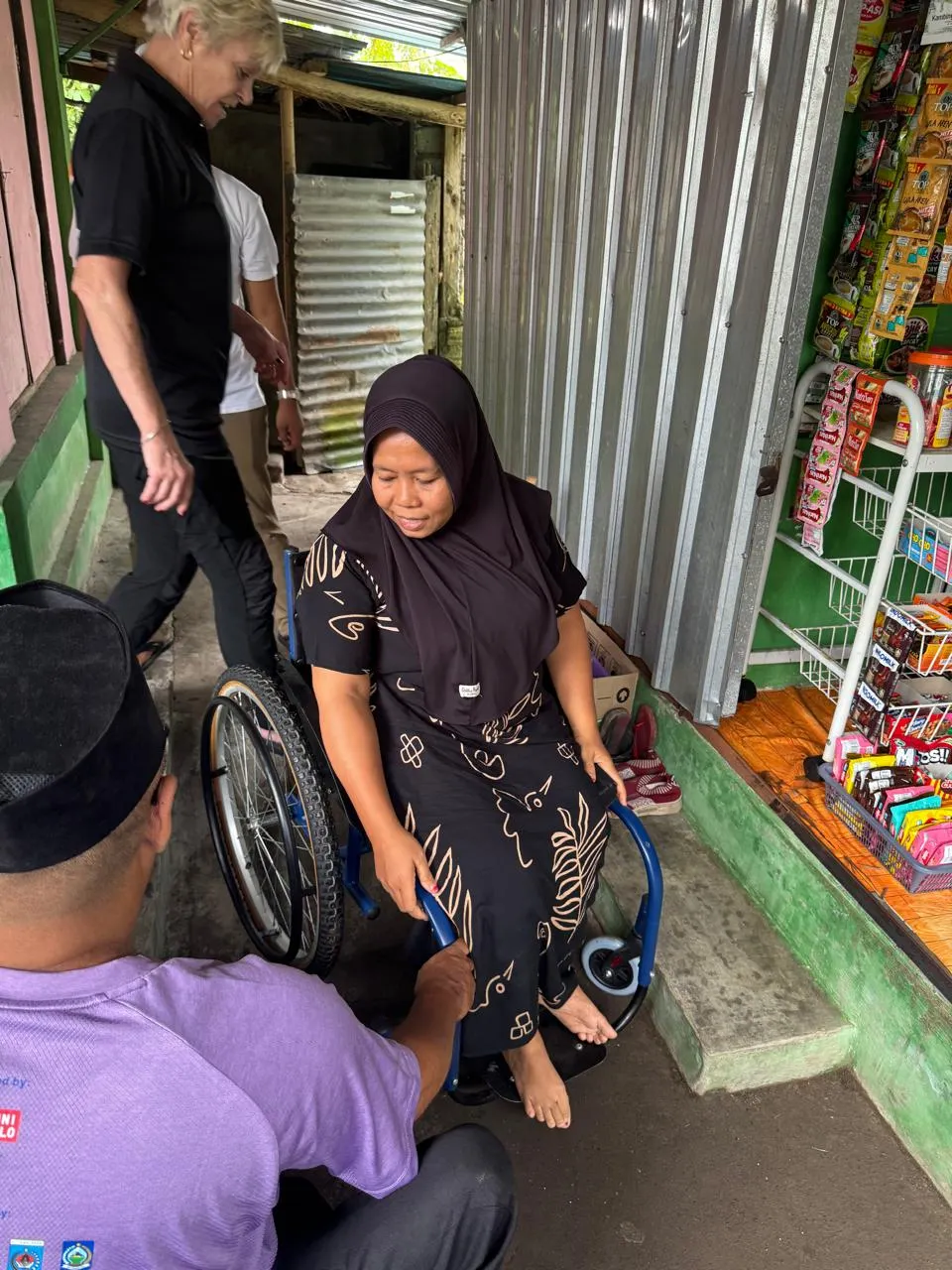
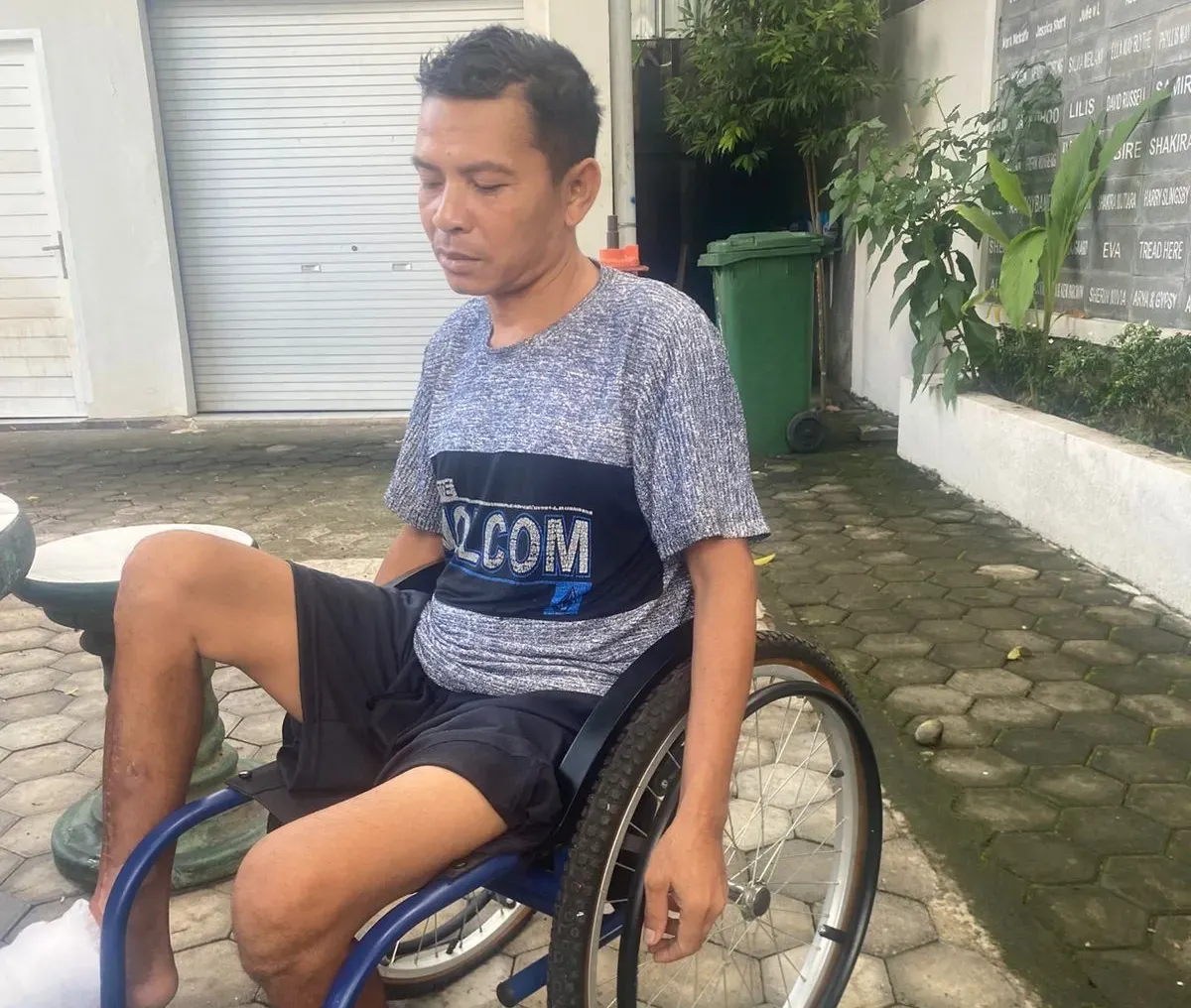
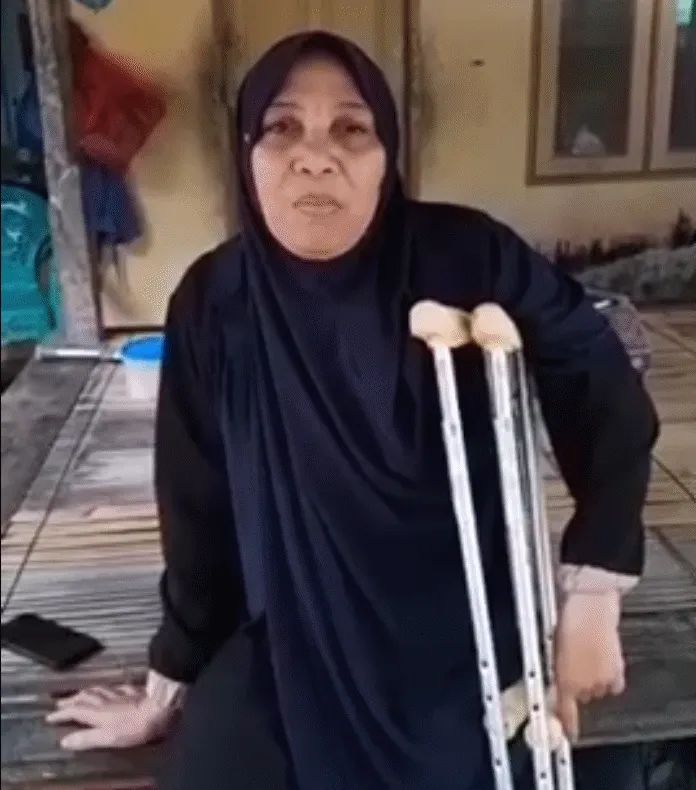
Polio, a disease that once affected thousands across Indonesia, left Nurhayati with limited mobility from a young age. She moves with difficulty and relies on basic assistive devices. Each day, she must navigate uneven paths and inaccessible buildings, highlighting the urgent need for polio disability support in rural communities. Her experience is a reminder that behind every statistic is a person facing unique physical and emotional challenges.
- Difficulty accessing public transportation
- Limited availability of accessible facilities
- Dependence on family and neighbors for daily tasks
Community Support in Lombok: The Power of Kindness
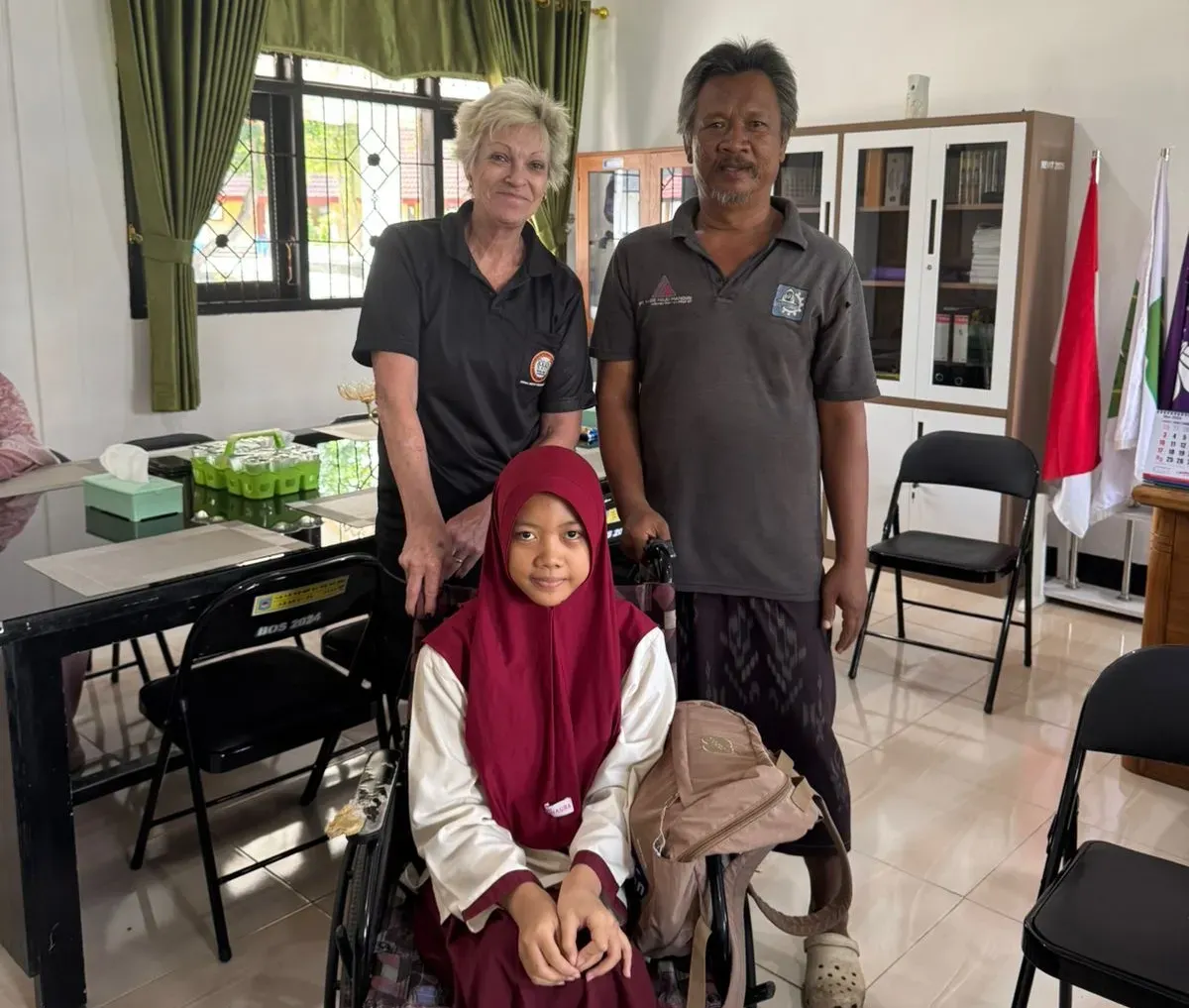
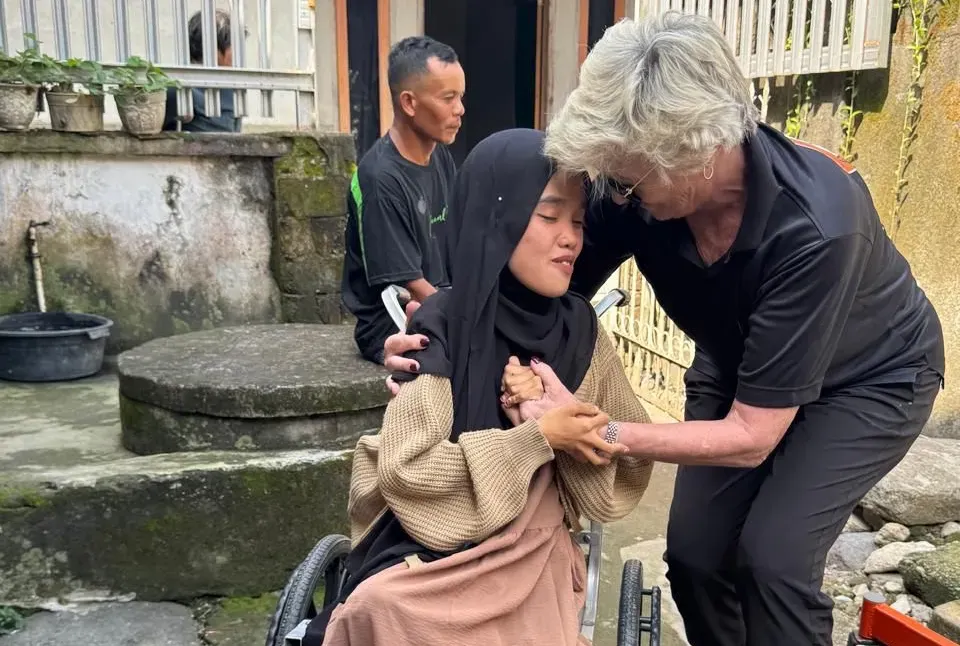
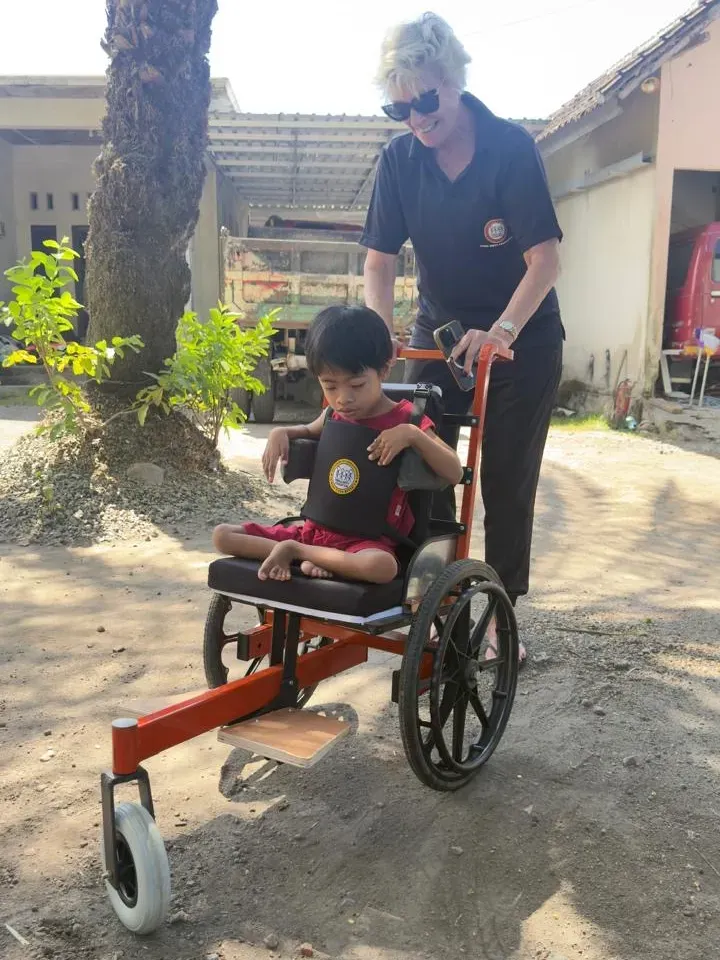
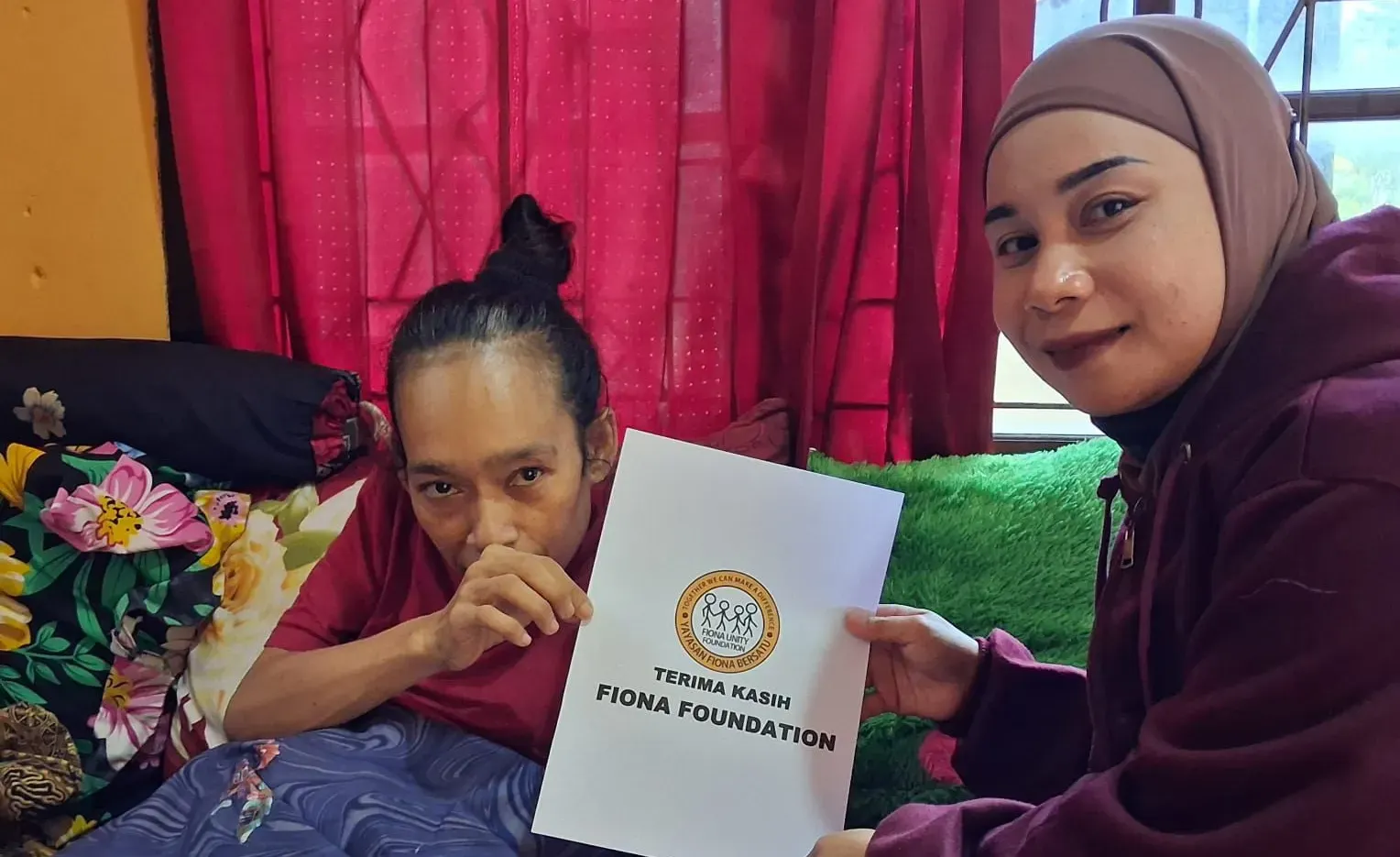
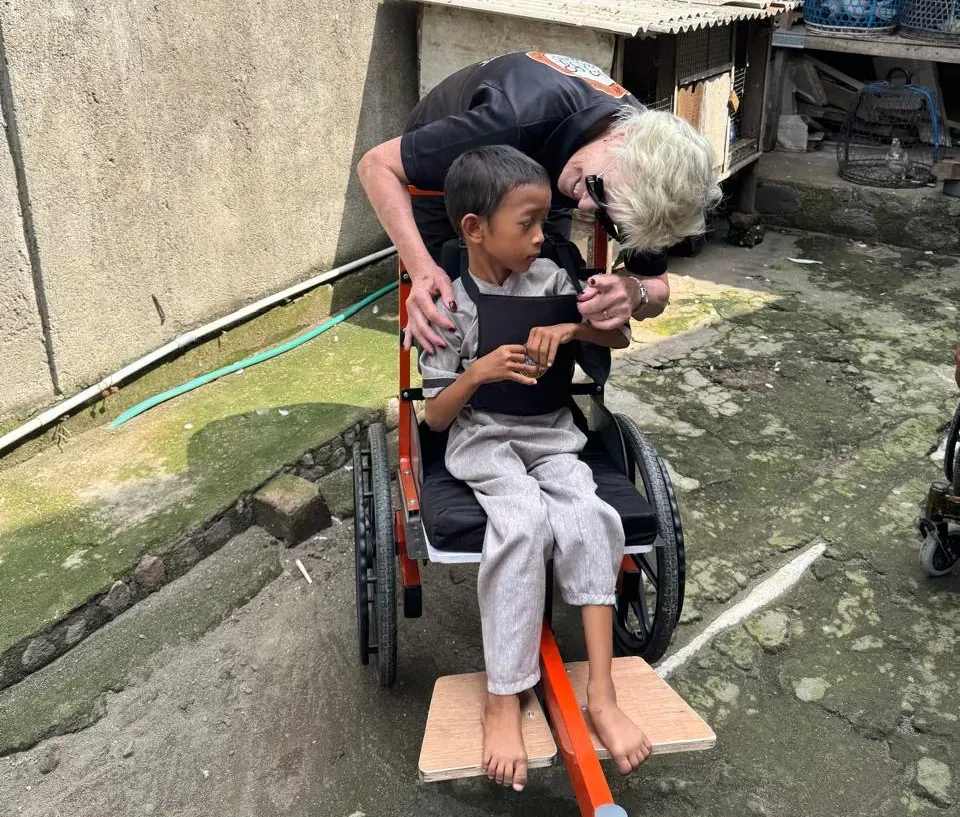
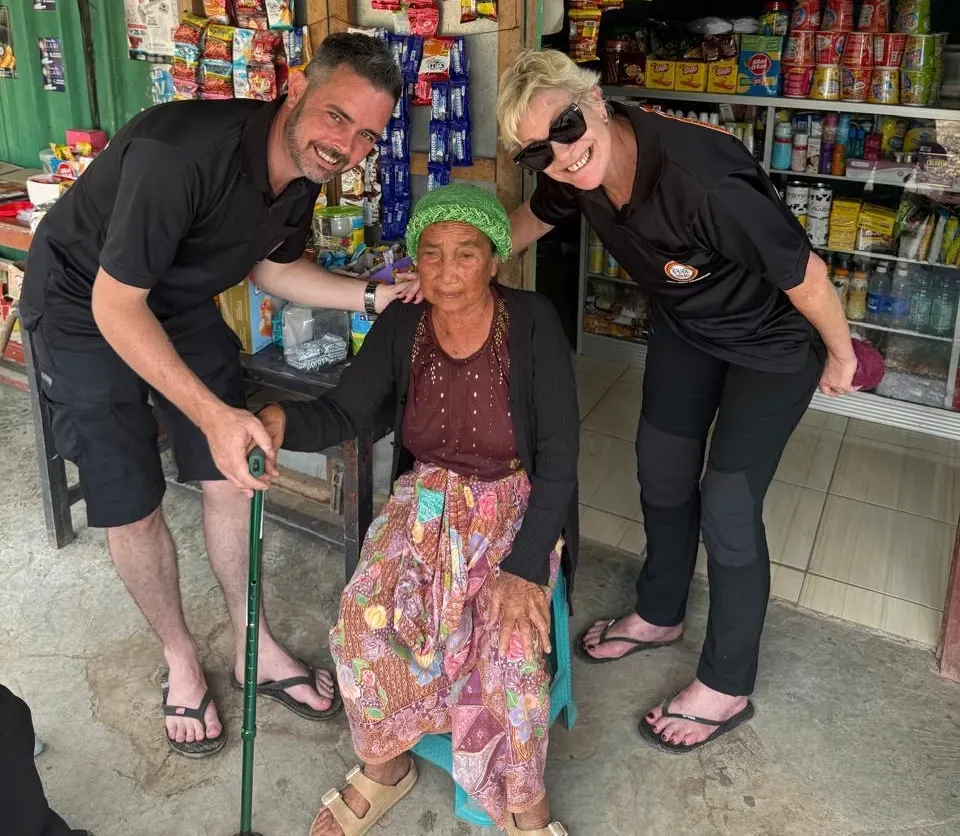
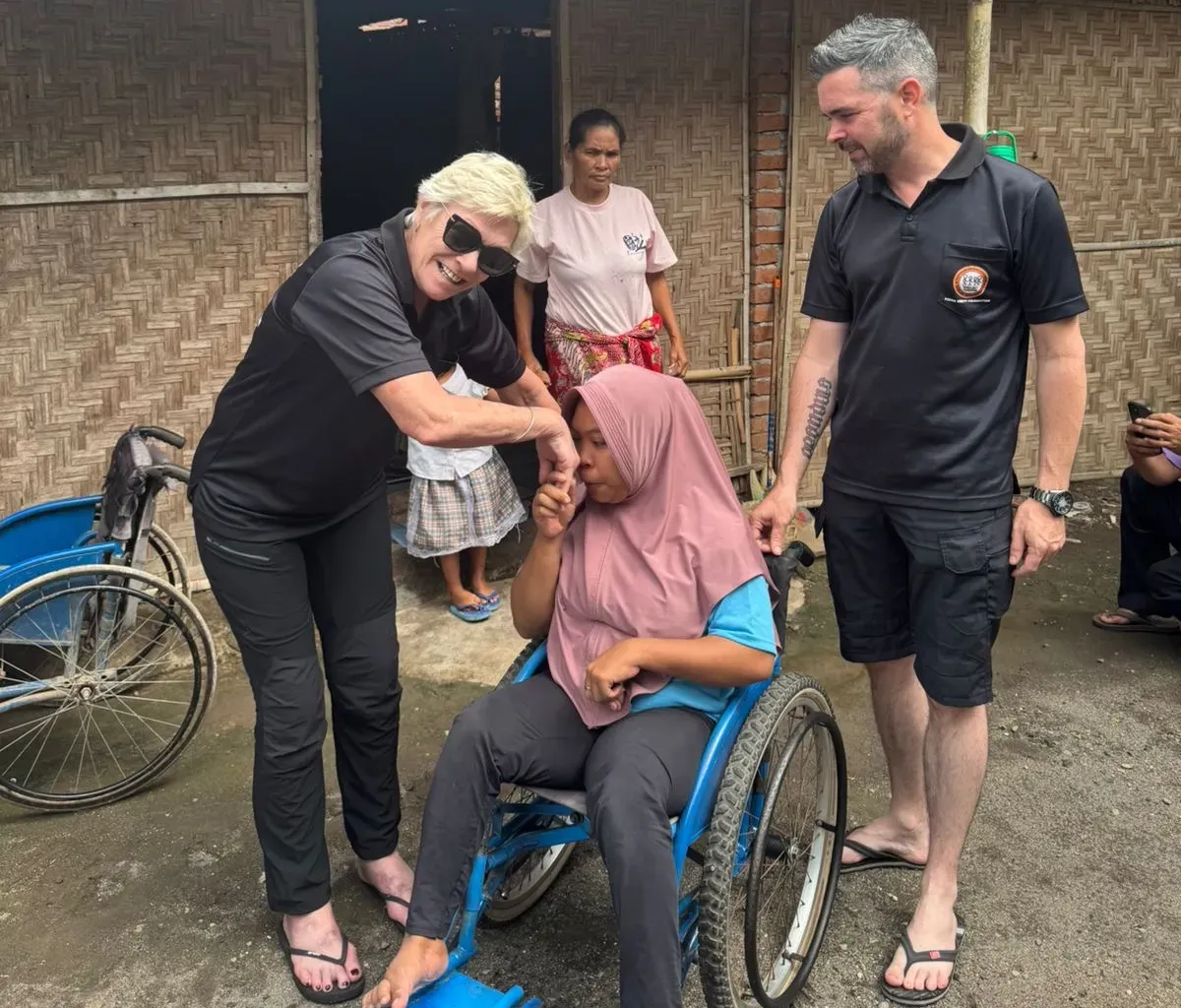
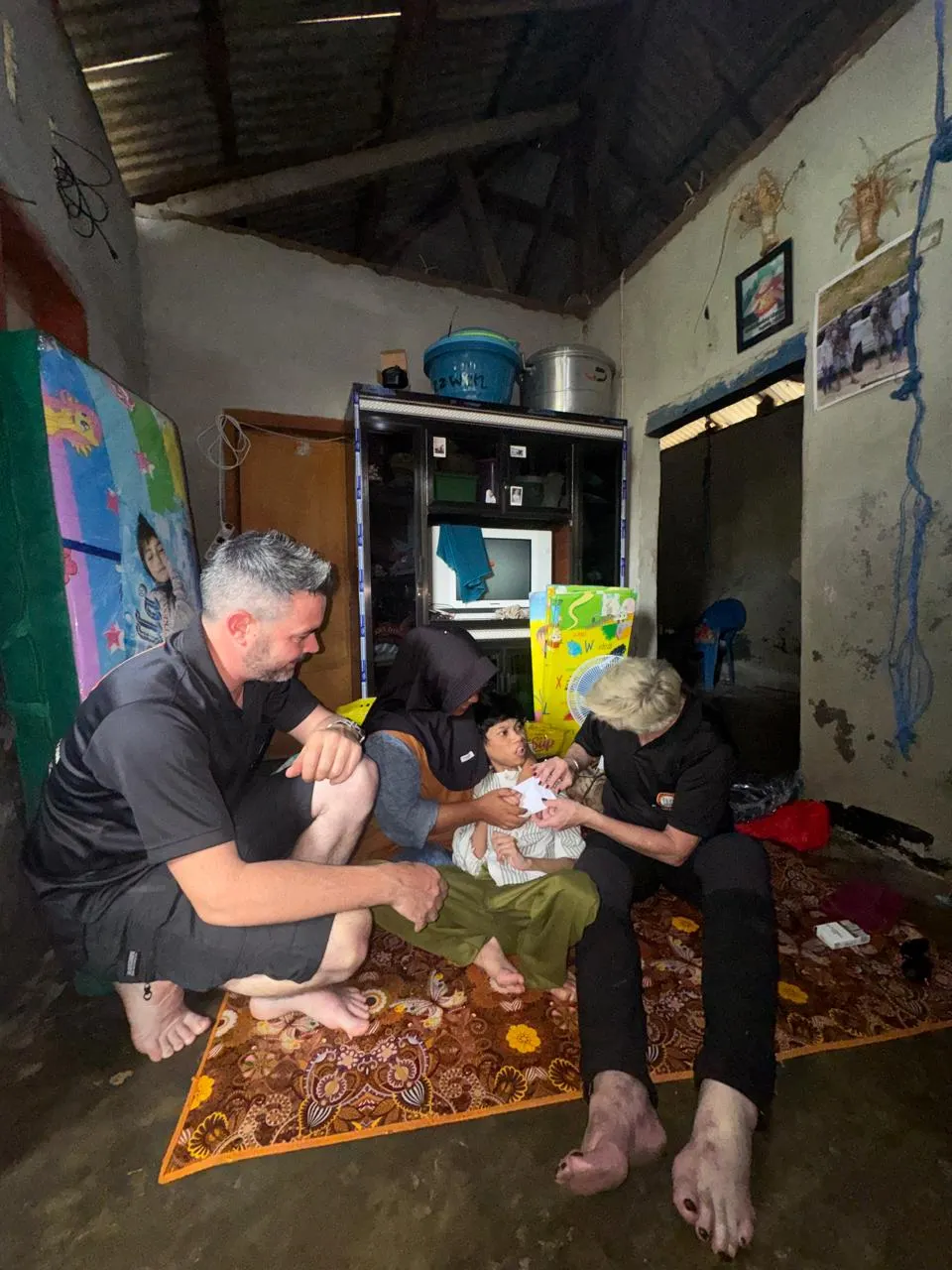
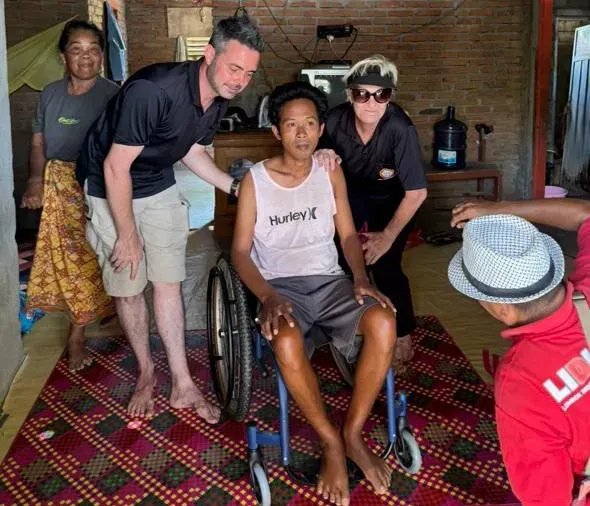
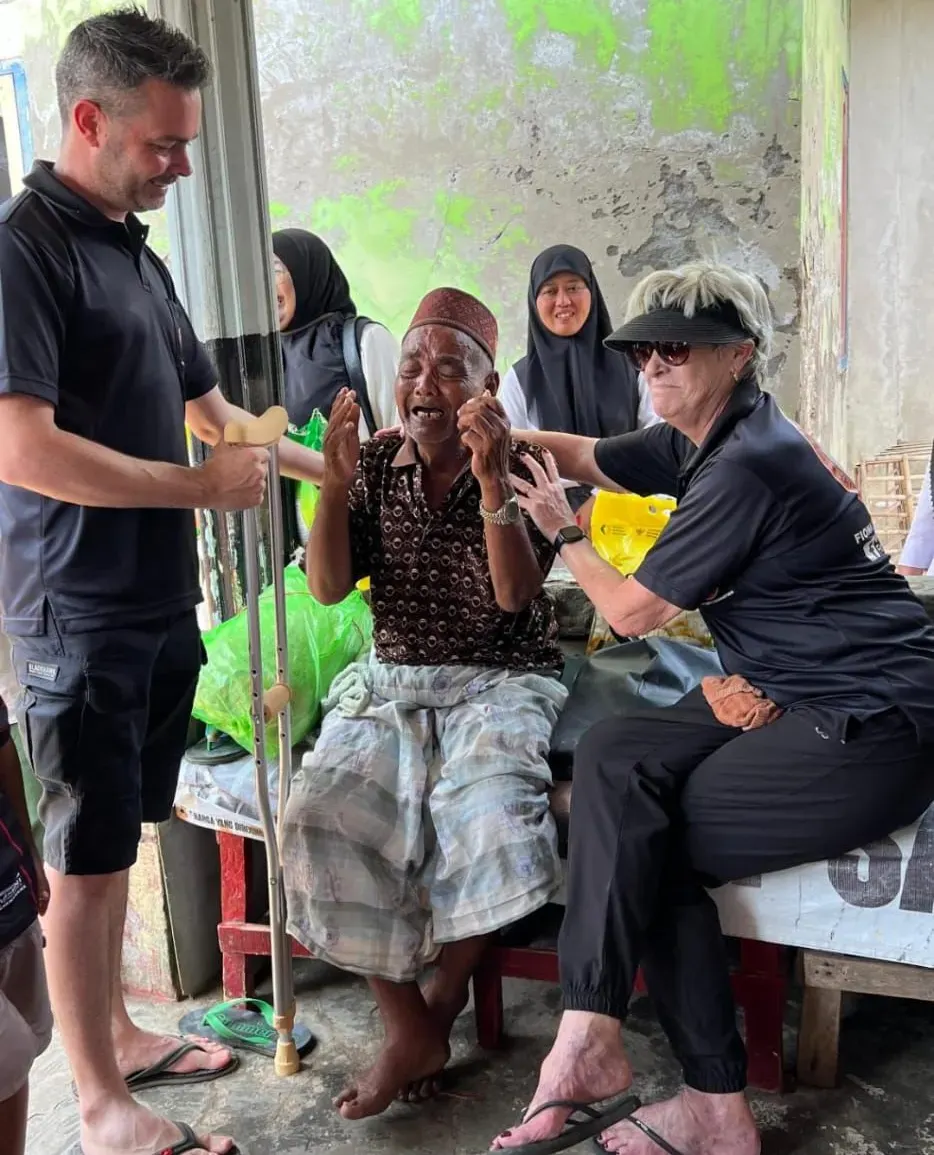
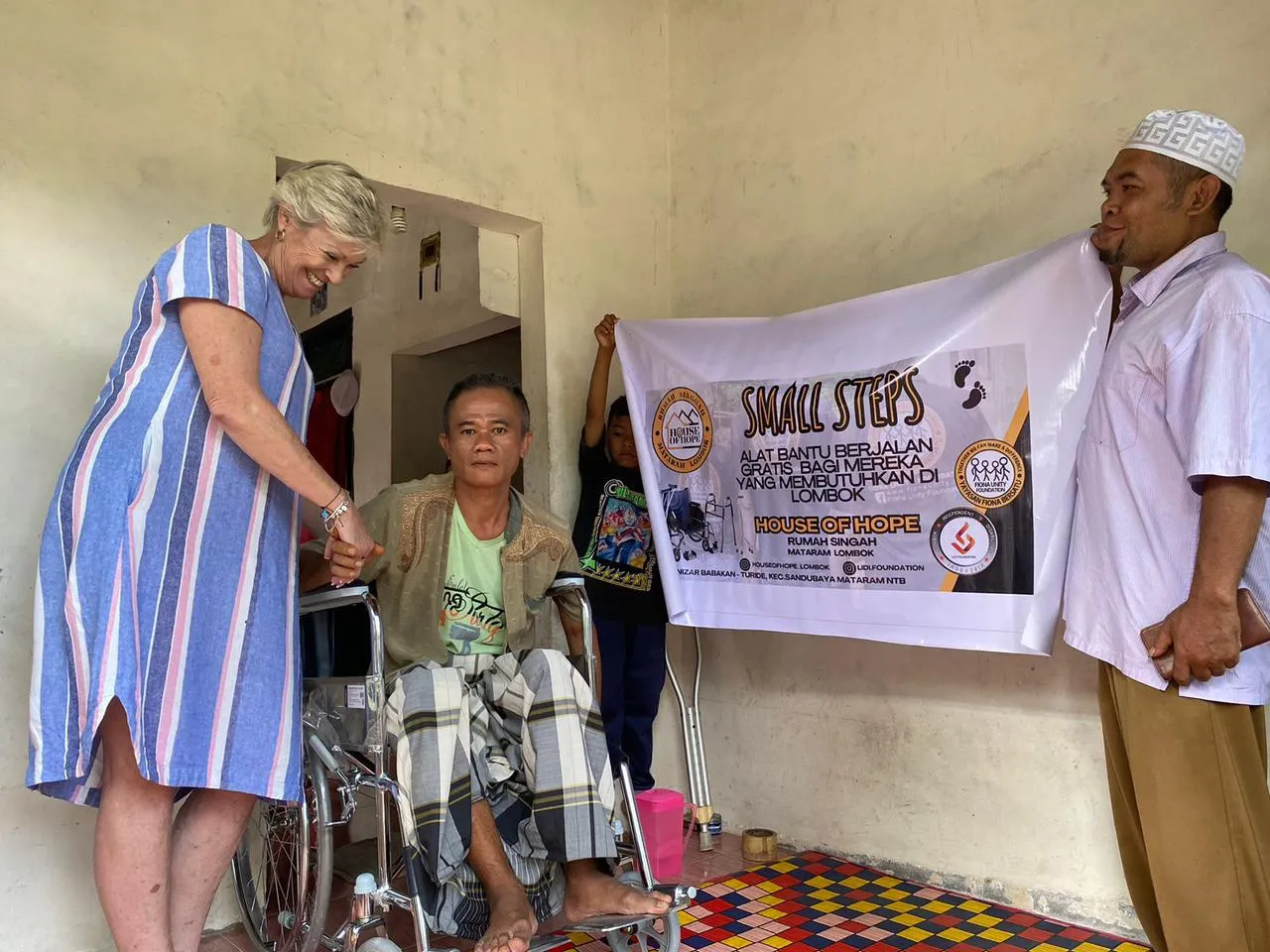
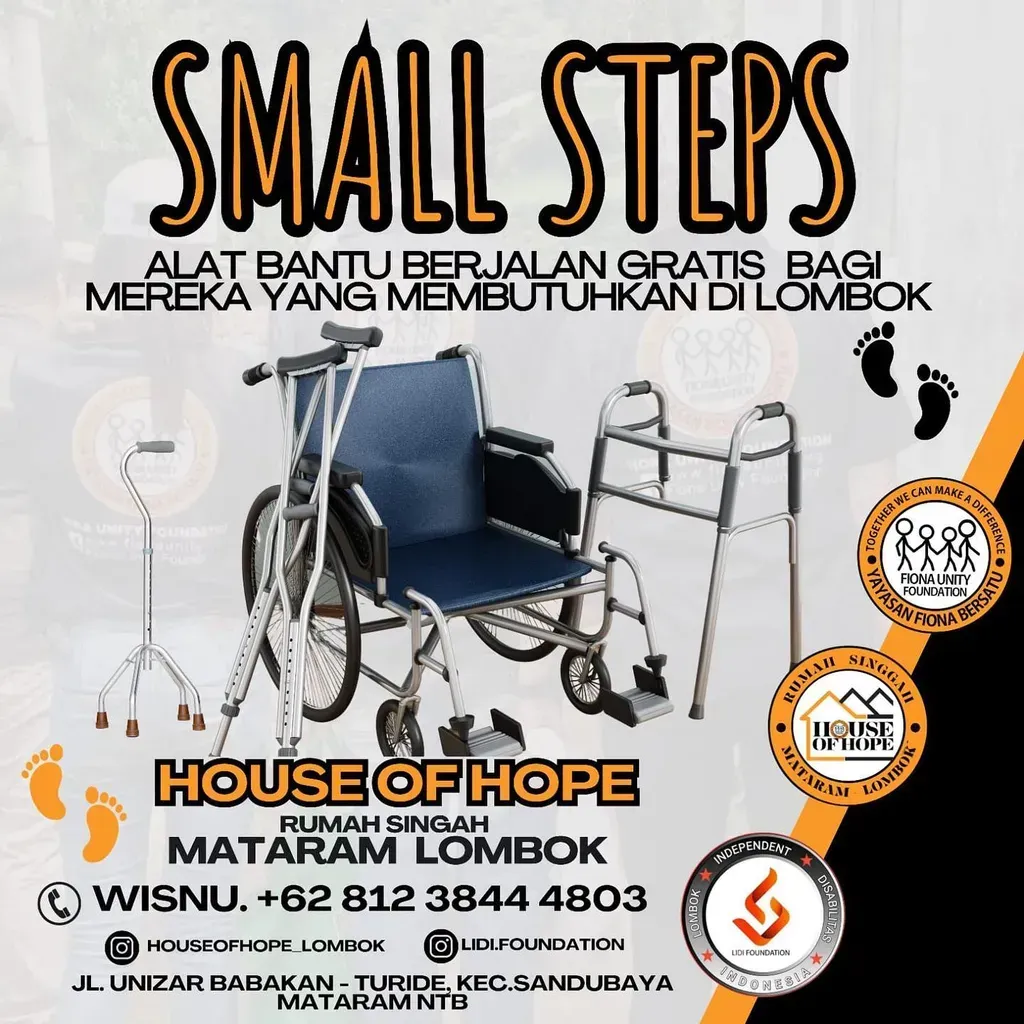
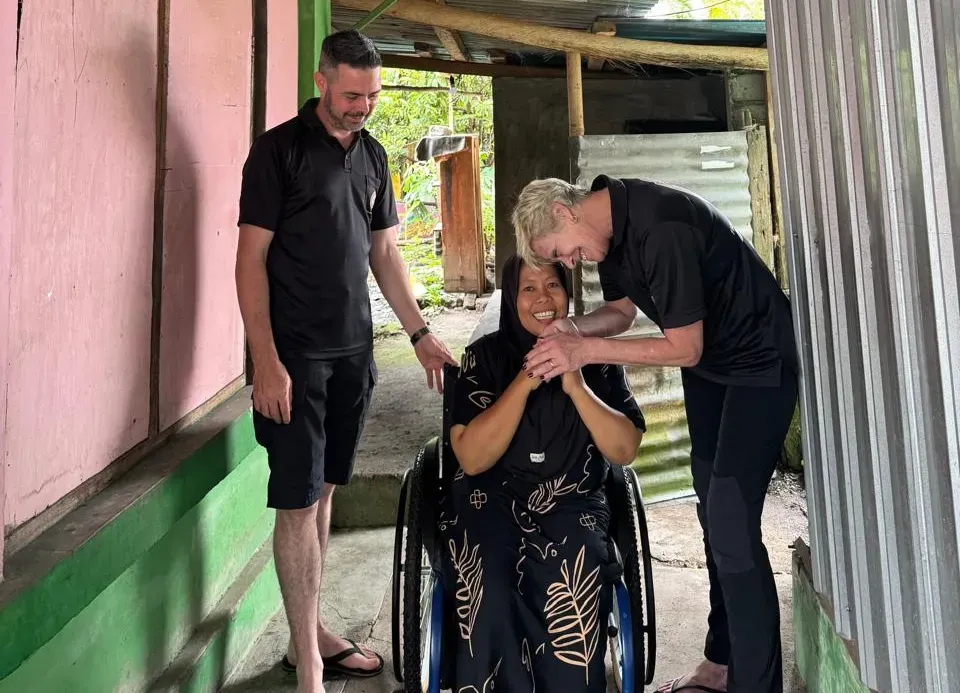
In regions like Central Lombok, where government resources are stretched thin, community support becomes a lifeline. Nurhayati’s story was changed by the generosity of Pete Goat, an Australian donor. Pete’s support provided her with essential mobility aids, making daily life more manageable. This act of kindness did not just improve her physical mobility—it also offered emotional encouragement and a renewed sense of dignity.
“Small acts of kindness can transform lives in profound ways.” – Disability Rights Advocate
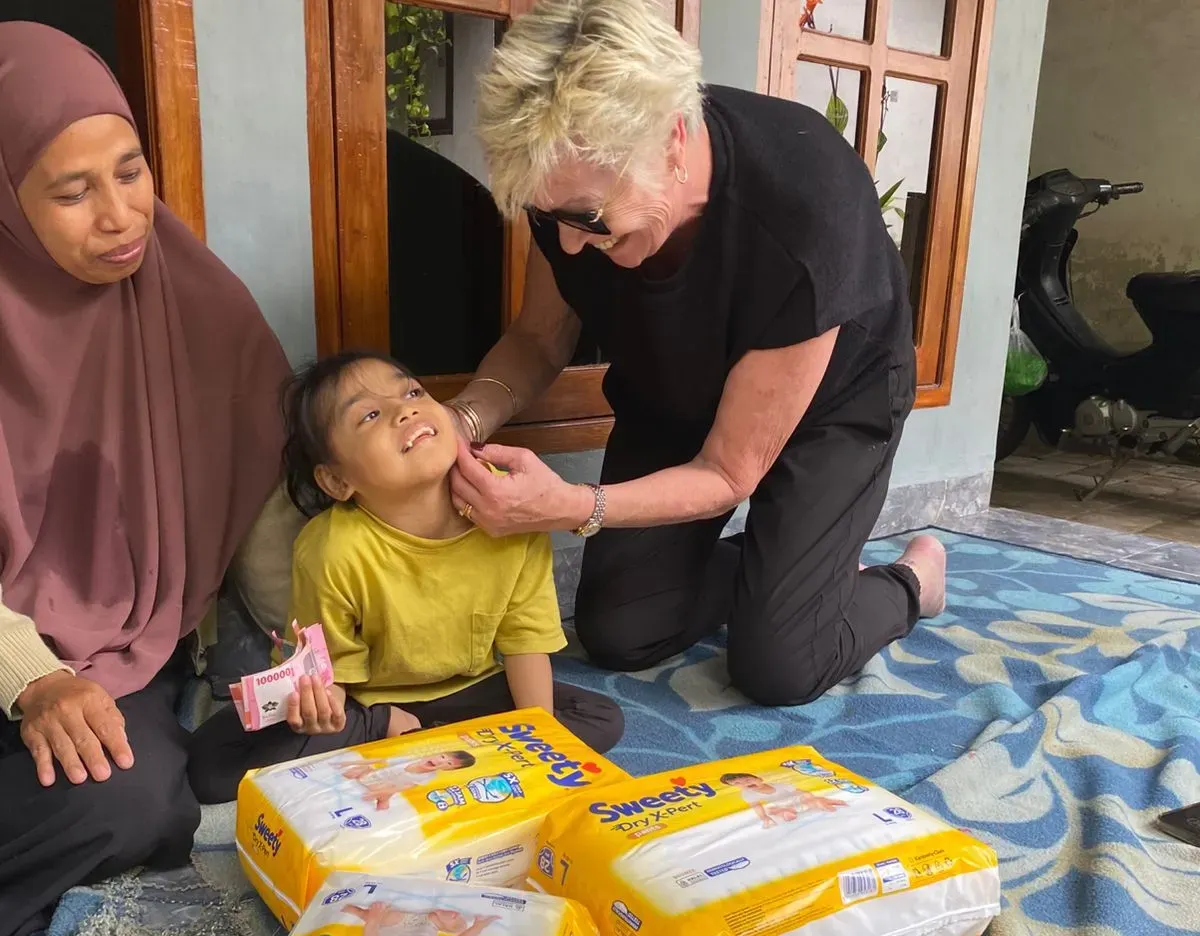
Nurhayati’s gratitude for Pete Goat’s assistance is heartfelt. She often shares how this support has allowed her to participate more fully in village life, visit friends, and attend community gatherings. Her story is a powerful example of how individual action can break down barriers and foster inclusion.
Emotional and Physical Challenges
Living with a polio disability in a rural setting means facing daily struggles—both visible and invisible. Nurhayati copes with pain, fatigue, and the emotional weight of stigma. Yet, her resilience shines through. She draws strength from her family, neighbors, and the wider community. Her journey highlights the importance of disability rights and the need for ongoing support, understanding, and advocacy in places like Central Lombok.
Navigating Healthcare Access with Disability in Indonesia
For many people living with disabilities in Indonesia, especially in rural areas like Lombok, accessing healthcare is a daily challenge. Ibu Nurhayati, a 40-year-old woman from Puyung, Jonggat District, Central Lombok, has lived with a disability caused by polio. Her story highlights both the obstacles and the progress in making healthcare more inclusive for disabled individuals in Indonesia.
Healthcare Access Challenges in Rural Lombok
People with disabilities in Lombok often face multiple barriers to healthcare. These include physical obstacles, such as inaccessible clinics and transportation difficulties, as well as social barriers like stigma and discrimination. In rural areas, healthcare facilities may be far from home, and public transportation is often not equipped for people with mobility issues. Many disabled individuals, like Ibu Nurhayati, rarely leave their homes due to these challenges.
The Role of BPJS Kesehatan and the PBI Scheme
Indonesia’s national health insurance program, BPJS Kesehatan, plays a crucial role in supporting healthcare access for people with disabilities. The Penerima Bantuan Iuran (PBI) scheme ensures that vulnerable populations, including disabled individuals, receive coverage for essential health services. Between January and April 2023, over 100 people with disabilities in Central Lombok were enrolled in BPJS Kesehatan, demonstrating ongoing efforts to integrate disabled individuals into national health programs and increase equity.
For many, BPJS Kesehatan and the PBI scheme remove the financial barriers to care. However, enrollment can be complicated by a lack of information, bureaucratic hurdles, and the need for documentation that some disabled individuals may not have.
Barriers to Inclusive Healthcare
Despite these programs, significant barriers remain. Discriminatory laws and policies can limit access to certain services or benefits. Many healthcare facilities are not designed to accommodate people with disabilities, lacking ramps, accessible toilets, or sign language interpreters. Social stigma can also discourage disabled individuals from seeking care, fearing negative treatment or lack of understanding from healthcare workers.
“Healthcare is a right, not a privilege, and must be accessible to all regardless of disability.” – Inclusive Healthcare Specialist
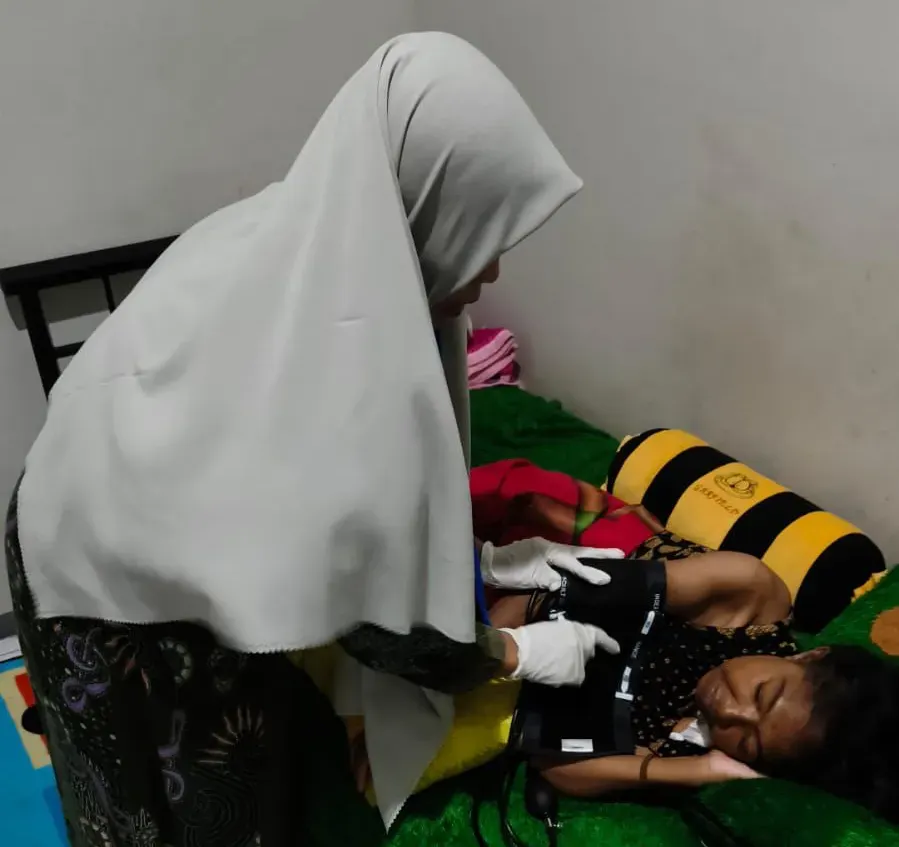
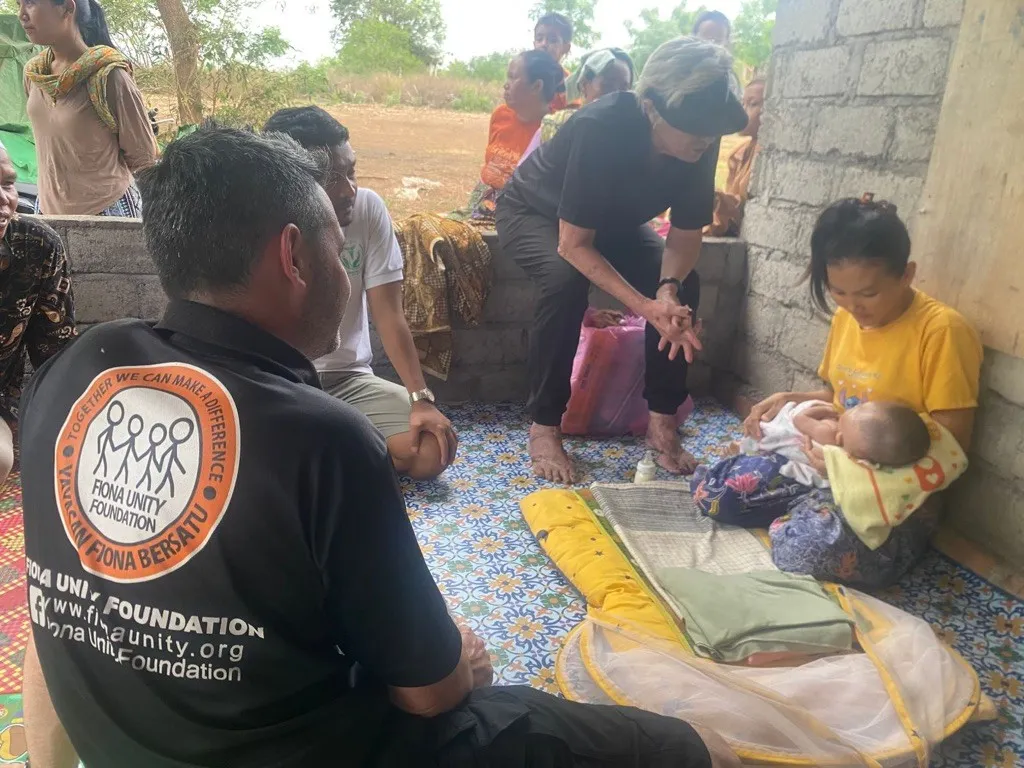
To address geographic and mobility challenges, innovative outreach efforts are making a difference in Lombok. Home visits by healthcare workers provide essential medical care, check-ups, and health education directly to individuals who cannot easily travel. For those with severe disabilities, ambulance services are available to transport patients safely to clinics or hospitals. These services are often coordinated with BPJS Kesehatan, ensuring that disabled individuals receive the care they need without additional financial burden.
- Home visits reduce the need for difficult travel.
- Ambulance services offer safe transportation for severe cases.
- Community outreach increases awareness of available healthcare options.
The integration of disabled individuals into national health programs, combined with local outreach efforts, is helping to create a more inclusive healthcare system in Lombok and across Indonesia.
Community and International Partnership: The Power of Generosity
The journey of Ibu Nurhayati, a 40-year-old woman from Puyung, Jonggat District in Central Lombok, is a powerful example of how community support in Lombok and international partnerships can transform lives. Living with a disability as a result of polio, Nurhayati has faced many challenges. Yet, her story is also one of hope, thanks to the kindness of people both near and far.
International Solidarity: The Story of Pete Goat
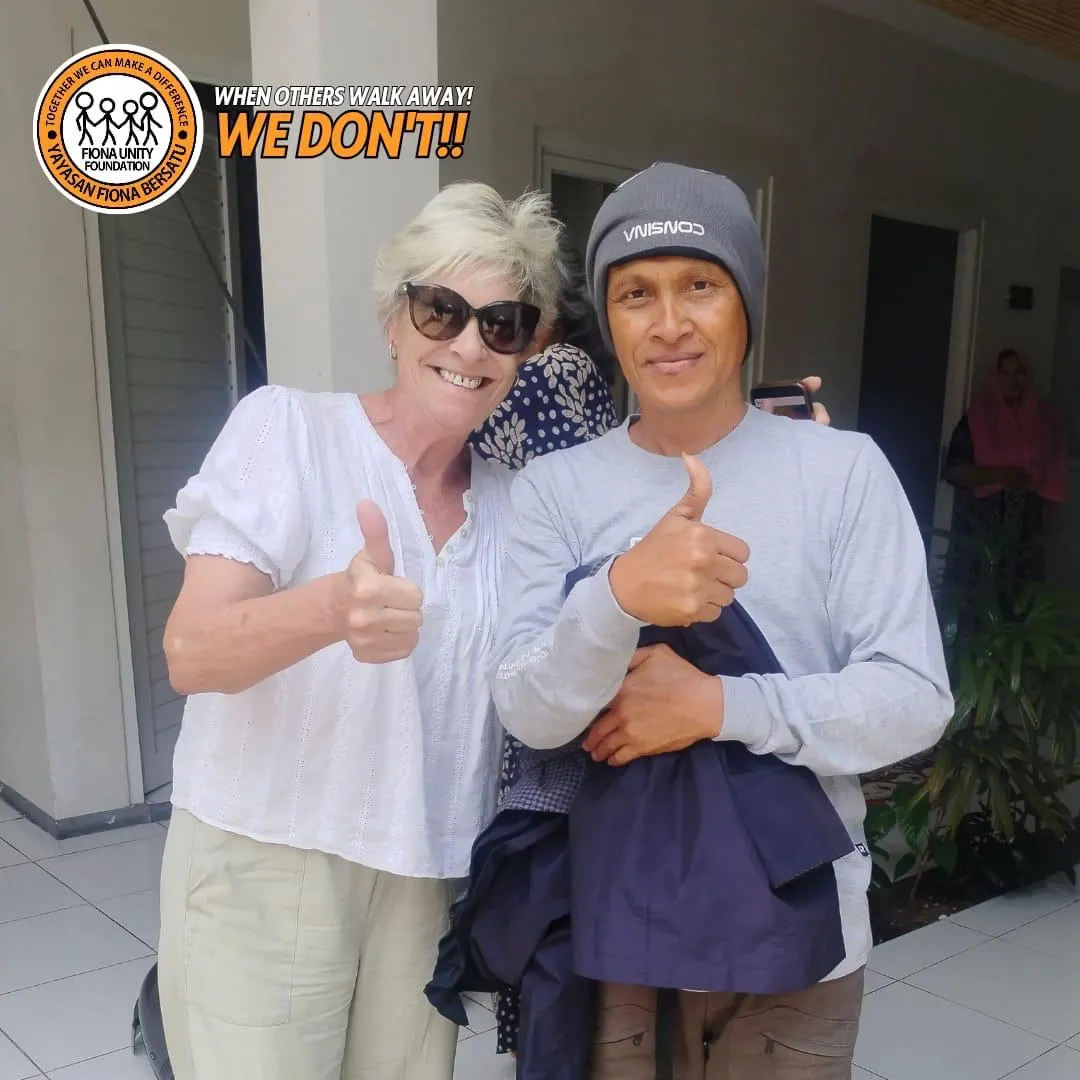
One shining example of international generosity is Pete Goat from Australia. Pete’s contribution assistance made Nurhayati’s daily life much easier, providing her with resources and support she could not access locally. The gratitude expressed by Nurhayati and her community is heartfelt: Pete’s kindness has truly made a difference. This act of goodwill highlights how individuals from across the globe can have a direct, positive impact on the lives of people with disabilities in remote Indonesian communities.
“A helping hand extended from afar can cultivate hope and dignity at home.” – Community Support Coordinator
Micro-Level Impact Through Global Connections
International friendships like the one between Pete Goat and Nurhayati complement governmental efforts. While local authorities and Indonesia disability advocates work tirelessly to improve conditions, external support brings new resources and ideas. When foreign individuals or organizations connect with families in places like Central Lombok, they help fill gaps that local systems may not yet address. These micro-level impacts can lead to significant changes in health, mobility, and self-esteem for people with disabilities.
The Role of Local Authorities and Disability Advocates
Sustainable change requires more than one-time gifts. Local leaders and disability advocates in Indonesia are essential for spreading awareness, identifying needs, and ensuring that support reaches those who need it most. They help maintain and grow the networks that international partners tap into, making sure that assistance is used effectively and respectfully. Their ongoing efforts ensure that acts of generosity, like Pete Goat’s, have a lasting effect.
Imagining Expanded Global-Local Cooperation
What if more foreign individuals and organizations paired with local families in Lombok? The potential for positive change would multiply. By combining local knowledge with external resources, communities could build better healthcare, education, and social systems for people with disabilities. This kind of partnership would not only address immediate needs but also help create a more inclusive society over time.
- Community support Lombok is strengthened by international friendships.
- Indonesia disability advocates play a key role in sustaining support networks.
- Contribution assistance from abroad can change lives at the micro-level.
- Expanded partnerships can act as a force multiplier for sustainable impact.
The story of Nurhayati and Pete Goat reminds us that generosity knows no borders. When communities and international partners work together, they create hope and opportunity for people living with disabilities in Indonesia and beyond.
Shifting Perceptions: From Stigma to Advocacy
In Indonesia, stigma surrounding disability and mental health remains a significant barrier for many individuals. Cultural beliefs and a lack of awareness often lead to misunderstanding, discrimination, and social isolation for people living with disabilities. For women like Nurhayati Dewi, a resident of Puyung in Central Lombok, these challenges are not just societal—they are deeply personal. Her journey, shaped by the effects of polio, highlights both the struggles and the transformative power of advocacy in the fight for disability rights and better mental health Indonesia policies.
Understanding Stigma in Indonesia
Traditionally, Indonesian society has viewed disability and mental health issues through a lens of pity or even shame. Many families hide relatives with disabilities, fearing judgment or exclusion from their communities. This stigma can prevent individuals from seeking education, employment, or even basic healthcare. Mental health, too, is often misunderstood, with emotional struggles dismissed or ignored. These attitudes create a cycle of silence and isolation, making it difficult for people with disabilities to participate fully in society.
Nurhayati Dewi: Turning Stigma into Strength
Nurhayati Dewi’s story is a powerful example of how personal narratives can challenge and change these perceptions. Living with a physical disability since childhood, she has faced both external barriers and internal battles with self-worth. Instead of letting stigma define her, Nurhayati has become a voice for others facing similar challenges. Her openness about her experiences encourages others to share their own stories, breaking down the walls of silence and shame.
“Turning stigma into strength begins with sharing stories like Nurhayati’s.” – Disability Rights Advocate
By speaking out, Nurhayati not only advocates for her own rights but also inspires her community to see disability through a lens of resilience and possibility. Her journey shows that advocacy is not just about demanding change from others—it is about redefining what is possible for oneself and for society.
The Intersection of Disability and Mental Health
Physical disability and mental health are closely linked. The daily challenges of living with a disability—such as limited mobility, social exclusion, or economic hardship—can take a toll on mental well-being. In Indonesia, where mental health support is limited, this intersection is often overlooked. Nurhayati’s advocacy highlights the importance of addressing both physical and emotional needs, reminding us that true inclusion means supporting the whole person.
The Role of Peer Support and Advocacy
Peer support groups and disability advocates play a crucial role in shifting perceptions. These groups provide a safe space for individuals to share experiences, offer advice, and build confidence. For Nurhayati, connecting with others who understand her journey has been a source of strength and empowerment. Advocacy networks also help educate the wider community, challenge stereotypes, and push for policy changes that protect the rights of people with disabilities.
Through stories like Nurhayati’s, Indonesia is slowly moving from stigma to advocacy, paving the way for a more inclusive future for all.
Looking Ahead: Building Inclusive Healthcare Futures in Indonesia
As Indonesia continues its journey toward a more equitable society, the story of Ibu Nurhayati from Puyung, Central Lombok, stands as a powerful reminder of the importance of inclusive healthcare and the fight for disability rights. Her experience, shaped by living with a disability due to polio, highlights both the progress made and the challenges that remain for people with disabilities across the country.
In recent years, Indonesia has taken significant steps to improve healthcare access and social inclusion for marginalized groups. One of the most impactful initiatives is the expansion of the BPJS Kesehatan Penerima Bantuan Iuran (PBI) scheme. This government program provides health insurance coverage for low-income individuals, including those with disabilities. Between January and April 2023 alone, over 100 individuals in Central Lombok registered for BPJS Kesehatan PBI, reflecting a growing awareness and commitment to healthcare equity.
The success of such programs is not only a result of government action but also the tireless advocacy of individuals like Nurhayati. Her efforts, supported by community members and international partners such as Pete Goat from Australia, have brought attention to the daily realities faced by people with disabilities. These stories fuel policy discussions and inspire further reforms, ensuring that contribution assistance and support reach those who need it most.
Policy analysts have noted,
“Inclusive healthcare in Indonesia stands as a beacon of hope for marginalized groups.”
This hope is reflected in ongoing projects aimed at increasing healthcare registration, improving accessibility, and reducing stigma. Advocacy groups continue to push for policy changes that address not only medical needs but also social barriers, such as discrimination and lack of accessible infrastructure. Looking ahead, the vision for Indonesia is clear: a society where having a disability does not mean exclusion or stigma. Achieving this vision requires collaboration between government agencies, local communities, and international supporters. It also depends on sustained policy advocacy to ensure that improvements are not just temporary but become a permanent part of Indonesia’s healthcare landscape.
The journey is far from over, but the progress made so far offers hope. Increased registration for healthcare schemes like BPJS Kesehatan PBI demonstrates that change is possible when communities come together. The ongoing work of advocates like Nurhayati shows that every voice matters in the fight for disability rights. As more people become aware of the importance of inclusive healthcare, Indonesia moves closer to a future where everyone, regardless of ability, can access the care and support they deserve.
In conclusion, building an inclusive healthcare future in Indonesia is both a challenge and an opportunity. By expanding health insurance coverage, supporting advocacy, and fostering collaboration, Indonesia can create a society where dignity, equality, and inclusion are realities for all.
Remember! For just $200 you can make a life time change to some one in need! If you would like to support the "Fiona Unity Foundation", please contact Fiona +62 813 8361 8535.
.#DisabilityRights, #InclusiveHealthcare, #MentalHealthIndonesia, #DisabilityAdvocates, #CommunitySupport, #BPJSKesehatan, #PolioAwareness, #LombokStories, #HealthcareAccess, #ContributionAssistance
TL;DR: Nurhayati from Central Lombok lives with polio-caused disability but thrives with community aid and improved healthcare access. Her story reveals Indonesia's disability rights challenges and progress toward inclusion.