Transforming East Lombok: Clean Water & Sustainable Sanitation
Transforming East Lombok: Clean Water & Sustainable Sanitation
Feb 11, 2026
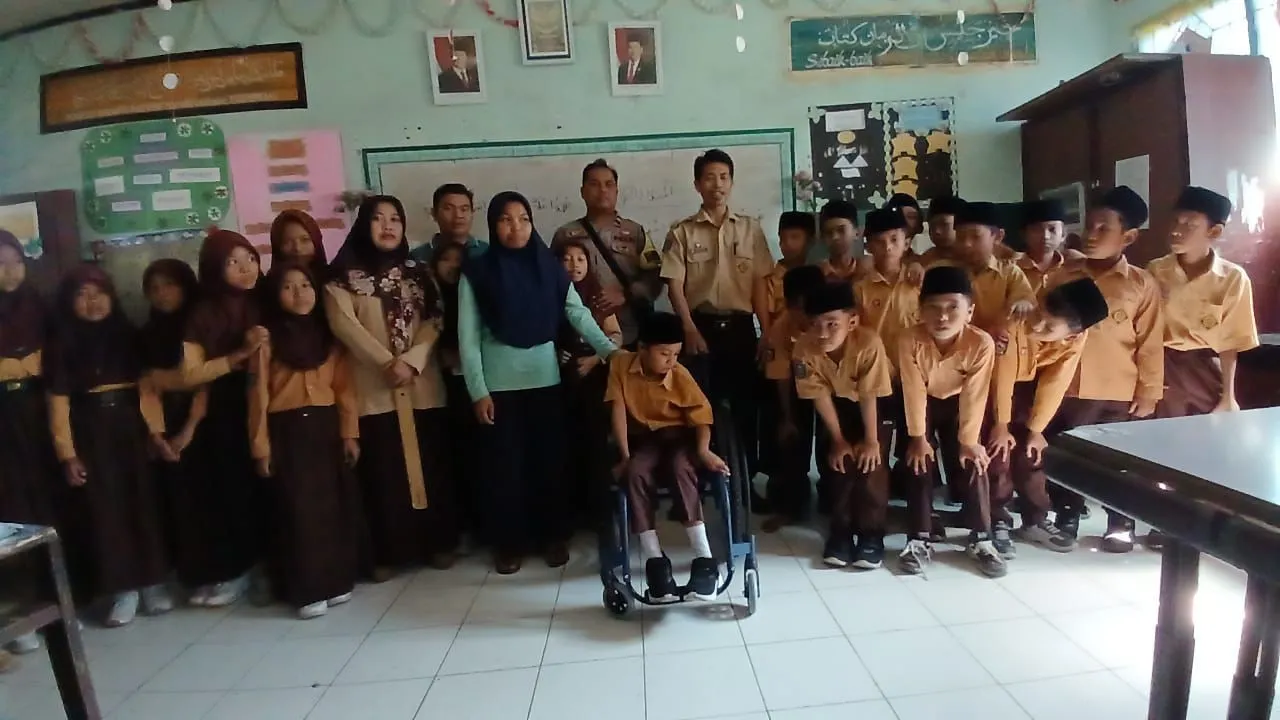
Visiting SDN 2 Sekaroh in East Lombok revealed a stark reality—300 children face a day without ANY toilets. This eye-opening encounter underscores the vital role of clean water and sustainable sanitation facilities in nurturing future generations. Here’s a deep dive into the challenges, hope, and innovative community-led solutions striving to rewrite their story.
The Hidden Crisis: No Toilets, No Dignity at SDN 2 Sekaroh
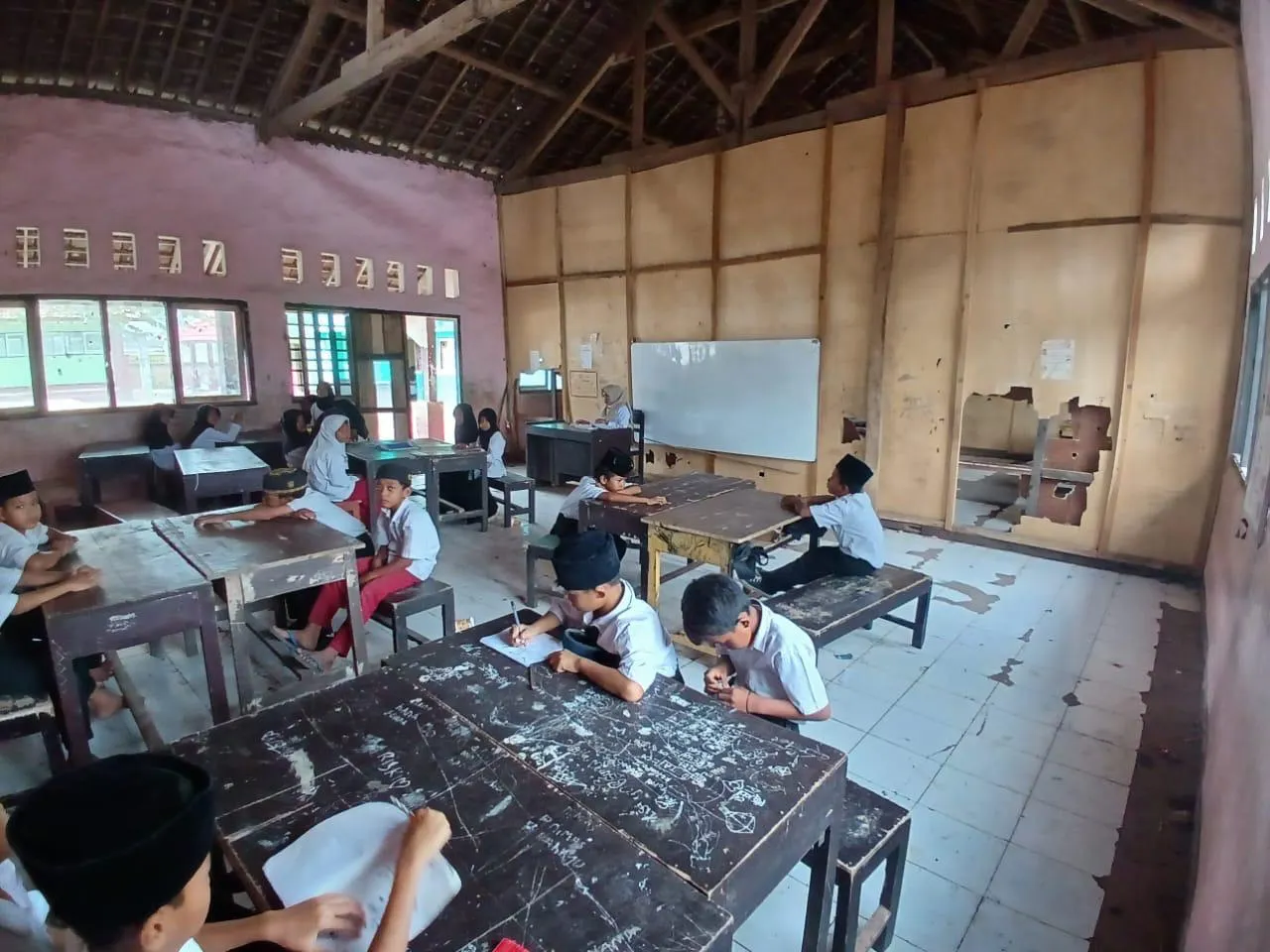
When the team arrived at SDN 2 Sekaroh in East Lombok, the reality was stark: not a single toilet exists for the 300 students who attend this rural school. The absence of clean toilets and water is not just an inconvenience—it is a daily crisis that strips children of their dignity and threatens their health and education.
Inhumane Conditions: The Daily Struggle for Sanitation
Without any toilet facilities, students are forced to relieve themselves in open areas around the school grounds. This lack of privacy and hygiene exposes them to shame, embarrassment, and unsafe conditions. Teachers report that many children, especially girls, avoid drinking water during the day to minimize the need to use the bathroom, which leads to dehydration and difficulty concentrating in class.
- Zero toilets for 300 students—no safe or private place for basic needs
- Open defecation increases the risk of disease and infection
- Girls face additional challenges, especially during menstruation
Impact on Health, Dignity, and Learning
The consequences of poor drinking water sanitation and no toilets are severe. According to a World Bank study, Indonesian schools—especially in rural areas like East Lombok—often lack proper water, sanitation, and hygiene (WASH) facilities. This leads to higher rates of absenteeism, illness, and decreased academic performance. Children at SDN 2 Sekaroh are no exception. Teachers share stories of students missing school due to stomach problems and infections that could have been prevented with clean toilets and water.
One teacher shared, “We see students struggle every day. Some are too embarrassed to come to school because there is nowhere safe to go to the bathroom.” For many, the school day is overshadowed by anxiety and discomfort, making it hard to focus on learning.
Sanitation is a Human Right—Not a Privilege
The United Nations, UNICEF, and WHO all recognize access to sanitation as a basic human right. Yet, for the children of SDN 2 Sekaroh, this right remains out of reach. The lack of school facilities improvement is not just a matter of infrastructure—it is a matter of justice and equality.
"Every child deserves a safe and clean place to attend their basic needs," says WaterAid expert Maya Sutanto.
There are proven models for change. In other parts of Indonesia, madrasahs have received grants to build clean toilets and provide running water, setting an example for what is possible at SDN 2 Sekaroh. But East Lombok’s geographic isolation and economic challenges have left many schools behind, making the East Lombok project urgent and essential.
The visit to SDN 2 Sekaroh laid bare the heartbreaking absence of toilets, pushing a stark human rights issue to the forefront. The time to act is now—to restore dignity, health, and hope for these children.
Community-Led Solutions: The Pamsimas Program’s Role in East Lombok
In East Lombok, the urgent need for clean water and proper sanitation is clear. During a recent visit to SDN 2 Sekaroh, it was discovered that 300 students had no access to toilets at all. This situation highlights the critical importance of community-led solutions like the Pamsimas clean water program, which is transforming rural areas across Indonesia.
Empowering Communities for Sustainable Change
Pamsimas, Indonesia’s flagship initiative for rural water supply and sanitation, is built on a community-based water approach. By involving local residents in planning, building, and maintaining water and sanitation facilities, Pamsimas ensures that solutions are tailored to the unique needs of each village. This model encourages a sense of ownership, making projects more sustainable and effective in the long term.
"Community involvement is the backbone of sustainable sanitation solutions," asserts Dr. Arif Wibowo, sanitation specialist.
Through Pamsimas, communities in East Lombok are not just recipients—they are active participants. Local groups are trained to manage water systems, monitor usage, and address problems as they arise. This hands-on involvement leads to better maintenance and a stronger commitment to keeping facilities functional.
Success Stories from Lombok and Beyond
The Pamsimas program Lombok has already shown impressive results. Hundreds of villages across Lombok and East Indonesia have gained access to clean drinking water and improved sanitation. In similar rural settings, children who once faced daily struggles for basic hygiene now benefit from safe, reliable facilities.
Collaboration is key to these successes. Local governments, NGOs, and international partners like the World Bank work together to support the East Lombok project and others like it. Their combined efforts help secure funding, provide technical expertise, and ensure that community voices are heard at every stage.
Aligning with National and Global Strategies
Pamsimas is closely aligned with national strategies such as the SEHATI program, which leverages the STBM (Sanitasi Total Berbasis Masyarakat) five pillars approach. This strategy promotes community led sanitation by focusing on behavior change, hygiene education, and collective action. SEHATI’s impact is clear: 100% STBM implementation has been achieved in 802 villages, accelerating access to safe sanitation throughout Indonesia.
- Pamsimas supports hundreds of villages in Lombok and East Indonesia
- Community groups maintain water and sanitation facilities
- Collaboration with local government and NGOs strengthens outcomes
- SEHATI and STBM strategies reinforce Pamsimas goals
Pamsimas stands as a shining example of how community-based projects can bring real change to East Lombok’s water and sanitation crisis, empowering local people to create healthier, more sustainable futures.
Innovations in Water Filtration and Access: AquaTower and Borehole Drilling
In East Lombok, the struggle for clean drinking water and basic sanitation is a daily reality, especially for schoolchildren. The absence of toilets and safe water at SDN 2 Sekaroh highlights a larger crisis that demands urgent solutions. Recent innovations in water filtration Lombok and access, such as the AquaTower system and deep water borehole drilling, are transforming lives and offering hope for a healthier future.
Starbucks and Planet Water’s AquaTower: Clean Water Filtration at Schools
One of the most impactful pilot water projects in the region is the installation of the AquaTower at SD Negeri 2 Gelanggang, East Lombok, in 2018. Developed through a partnership between Starbucks and Planet Water Foundation, the AquaTower uses advanced filtration technology to deliver safe, clean drinking water directly to local schools. This system not only removes harmful contaminants but also improves water quality monitoring and safety for hundreds of students each day.
The AquaTower is designed for sustainability, requiring minimal maintenance while providing a reliable source of filtered water year-round. By placing these towers at schools, children and their families gain access to a consistent supply of safe water, reducing the risk of waterborne diseases and supporting better hygiene practices.
Pilot Water Projects: Deep Well Borehole Drilling
Water scarcity in Lombok peaks during the dry season, often leaving entire communities without a dependable water source. To address this, organizations like IMPACTO have launched pilot water projects focused on deep water borehole drilling. In Central Lombok, a 67-meter borehole well was drilled in Desa Bujak, now serving 22 families with a sustainable water supply even during drought conditions.
IMPACTO’s AirKu pilot well demonstrates that deep borehole drilling can sustain water supply year-round, making a significant difference in drought-prone areas.
These projects are designed to be replicable, offering a model that can be expanded to other communities facing similar challenges.
Technology and Community: A Powerful Combination
Technological advances like the AquaTower and borehole wells do not replace traditional community-led efforts—they complement them. By supplementing local initiatives with innovative solutions, these pilot projects bridge the gap between scarcity and access. As clean water advocate Emily Johnson remarks:
"Innovative water filtration can bridge the gap between scarcity and access."
These interventions directly impact daily life for schoolchildren and their families. With access to clean drinking water and improved sanitation, students can focus on learning rather than worrying about their next drink or where to relieve themselves. Families benefit from reduced illness and improved well-being, creating a foundation for long-term community health.
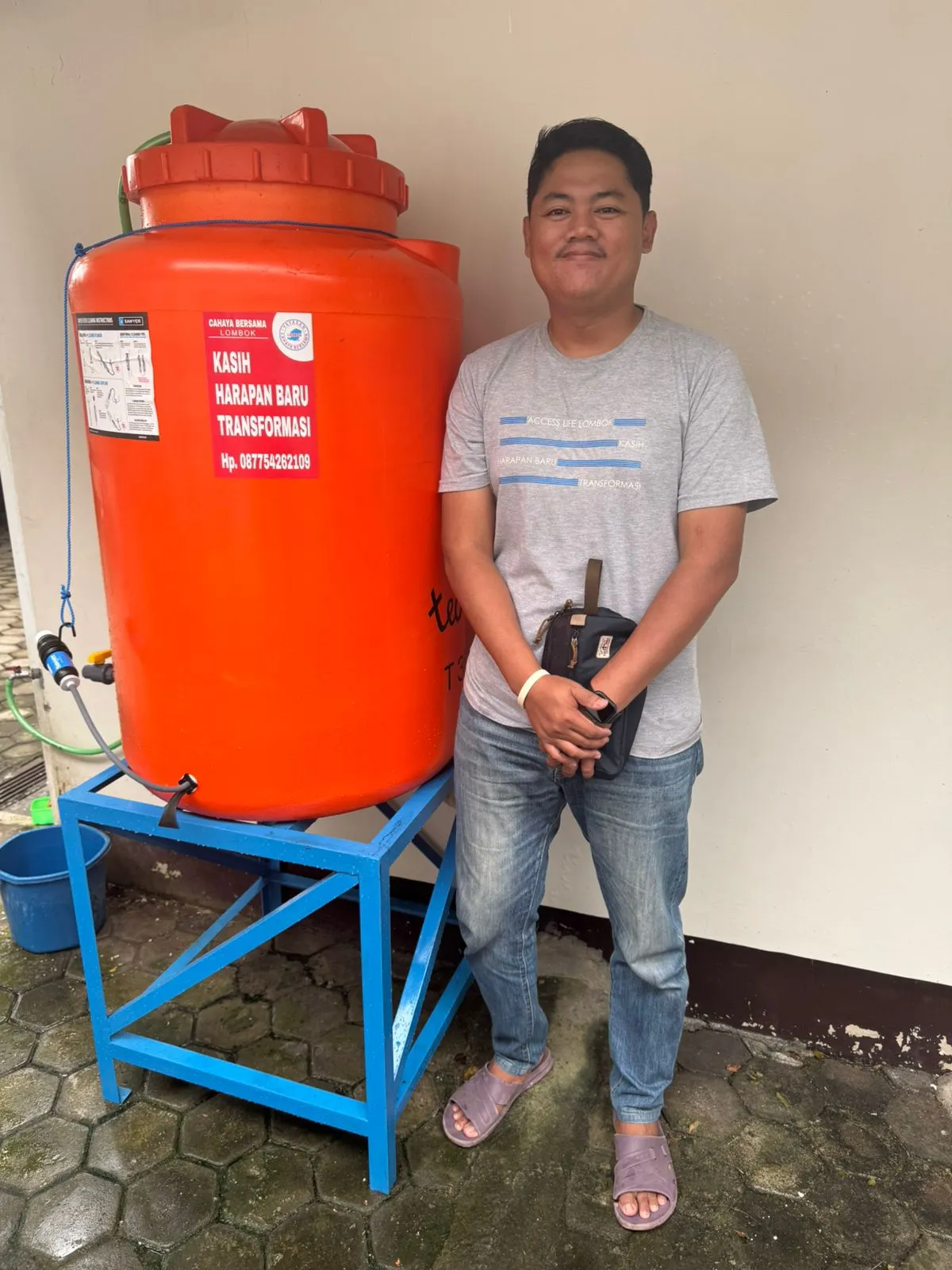
As water filtration Lombok projects continue to expand, the combination of technology, pilot water project models, and community engagement is setting a new standard for clean water access in East Lombok and beyond.
Hygiene Education and School Facilities Improvement: Creating Lasting Change
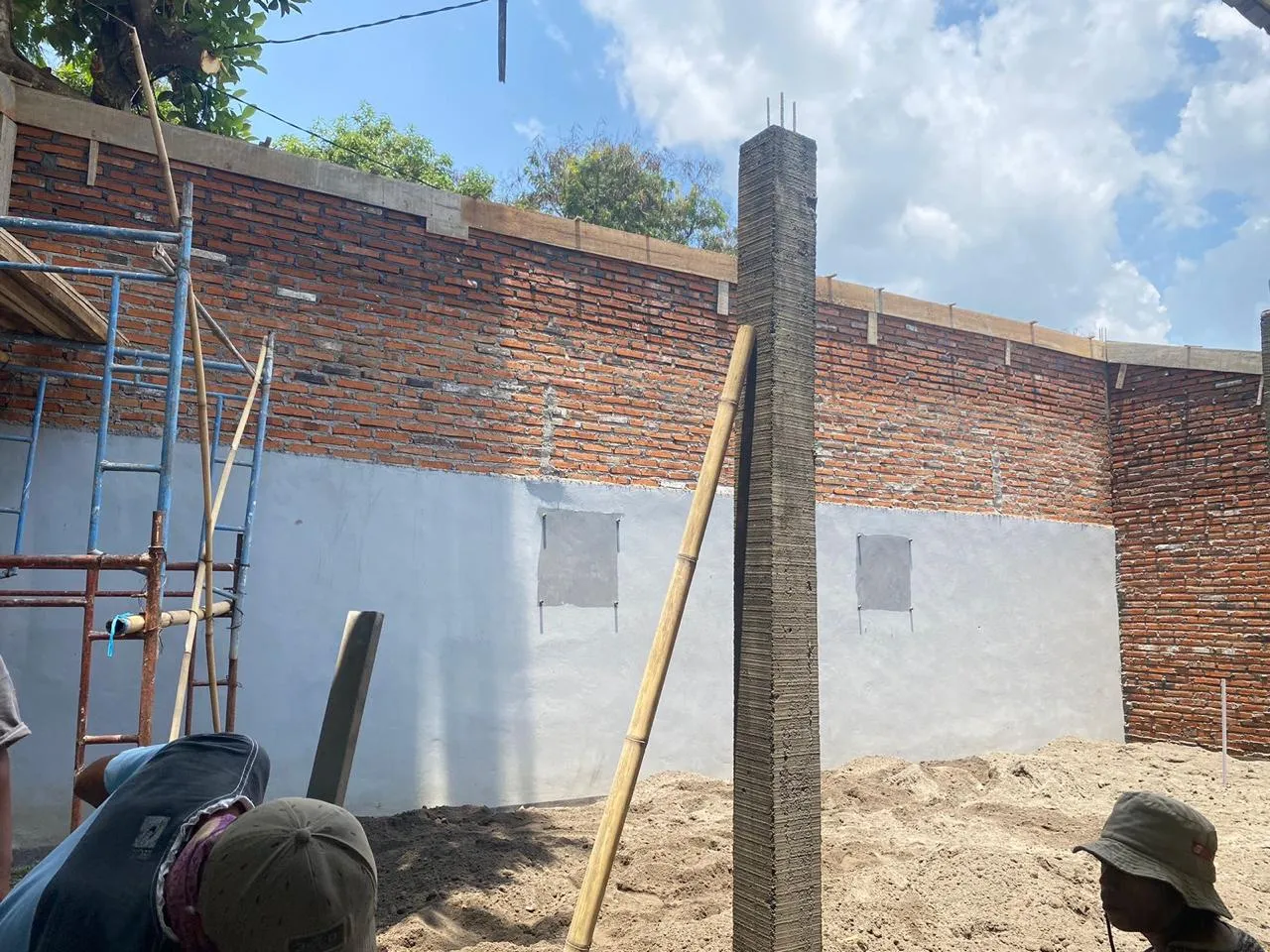
When the team visited SDN 2 Sekaroh in East Lombok, they discovered a heartbreaking reality: no toilets for 300 students. This lack of clean sanitation facilities is not only a daily struggle for children but also a barrier to education and health. Access to basic sanitation is a human right, not a luxury, and addressing these needs requires more than just new infrastructure. It calls for a comprehensive approach that combines hygiene education programs with school facilities improvement.
The Power of Hygiene Education Programs
Hygiene education programs teach children and their communities about the importance of clean water, handwashing, and proper sanitation. These lessons go far beyond the classroom. As hygiene educator Dian Lestari explains:
"Teaching children about hygiene transforms community health beyond the classroom."
Research shows that schools with active hygiene education see higher use of sanitation facilities. Students learn not only how to protect themselves from disease, but also become ambassadors for healthy habits at home. This ripple effect is crucial in rural areas like East Lombok, where community health outcomes can improve dramatically through education.
School Facilities Improvement: Setting New Standards
Upgrading school toilets and water systems is essential for lasting change. In 2022, madrasahs in Indonesia received grants of IDR 150 million to build clean toilets, provide soap, and install running water. These madrasah toilets water projects have become templates for other schools, including SDN 2 Sekaroh. By following these models, schools can ensure that students have access to safe, private, and functional sanitation facilities.
Improved facilities do more than just provide comfort. Studies link clean sanitation facilities to better school attendance and increased student focus. When children do not have to worry about their basic needs, they can concentrate on learning and thrive in a healthy environment.
Integration of COVID-19 Protocols
The COVID-19 pandemic highlighted the critical role of hygiene in preventing disease. Schools across Indonesia accelerated sanitation upgrades, installing handwashing stations and promoting regular cleaning. Integrating these protocols into daily routines reinforces the importance of hygiene, not just during pandemics but as a permanent part of school life.
Schools as Catalysts for Community Change
Schools are more than places of learning—they are central to changing behaviors around water and sanitation. By aligning educational efforts with Indonesia’s national sanitation strategies, schools become powerful agents for sustainable health improvements. The combination of hygiene education and improved facilities ensures that clean sanitation is not a temporary fix but a lasting transformation for East Lombok and beyond.
Looking Forward: Imagining a Future with Clean Water and Sanitation for Every Child
Imagine a school in East Lombok where every child walks through the gates knowing they will have access to clean water and safe, private toilets. Picture students at SDN 2 Sekaroh no longer worrying about basic needs, but instead focusing on learning, playing, and growing. This is not just a dream—it is a future within reach, powered by better water sanitation and a strong community sanitation program.
In water stressed areas like East Lombok, the absence of toilets and clean water is more than an inconvenience; it is a daily challenge that affects health, dignity, and opportunity. When children are forced to go without these essentials, the impact ripples through every part of their lives. Frequent illness, missed school days, and social stigma become barriers to success. But when clean water access and proper sanitation are provided, the transformation is immediate and profound.
Access to clean toilets and water means healthier children and fewer absences. It means girls can attend school with confidence, especially during adolescence. It means teachers can focus on education, not emergencies. The benefits extend beyond the school walls, improving community health and promoting social equity. As Dr. Sri Handayani, a respected public health leader, reminds us,
"Access to sanitation is a cornerstone for a just and equitable society."
Indonesia’s National Strategy to improve sanitation in 10,000 villages is a bold step forward. Yet, the real engine of change is the community itself. Community-led efforts are essential in overcoming water scarcity and ensuring that solutions are sustainable. By empowering local leaders, training volunteers, and involving parents and students, we can build systems that last. These programs can be scaled up through partnerships with local governments, NGOs, and private donors, creating a network of support that reaches every corner of East Lombok and beyond.
The future of East Lombok’s children shines brighter with our collective resolve. Every new toilet block, every clean water tap, is a promise kept—a step toward dignity and hope. Just as a lock and key protect what is precious, so too does sanitation protect the rights and futures of children. But this transformation requires more than infrastructure; it needs advocacy, storytelling, and the commitment of everyone who believes in a fairer world.
Now is the time to act. Donors, governments, and citizens all have a role to play in building a future where no child is left behind because of poor sanitation. By supporting community sanitation programs and demanding better water sanitation in water stressed areas, we can ensure that every child in East Lombok—and across Indonesia—has the chance to thrive. Together, we can turn heartbreak into hope, and hope into lasting change.
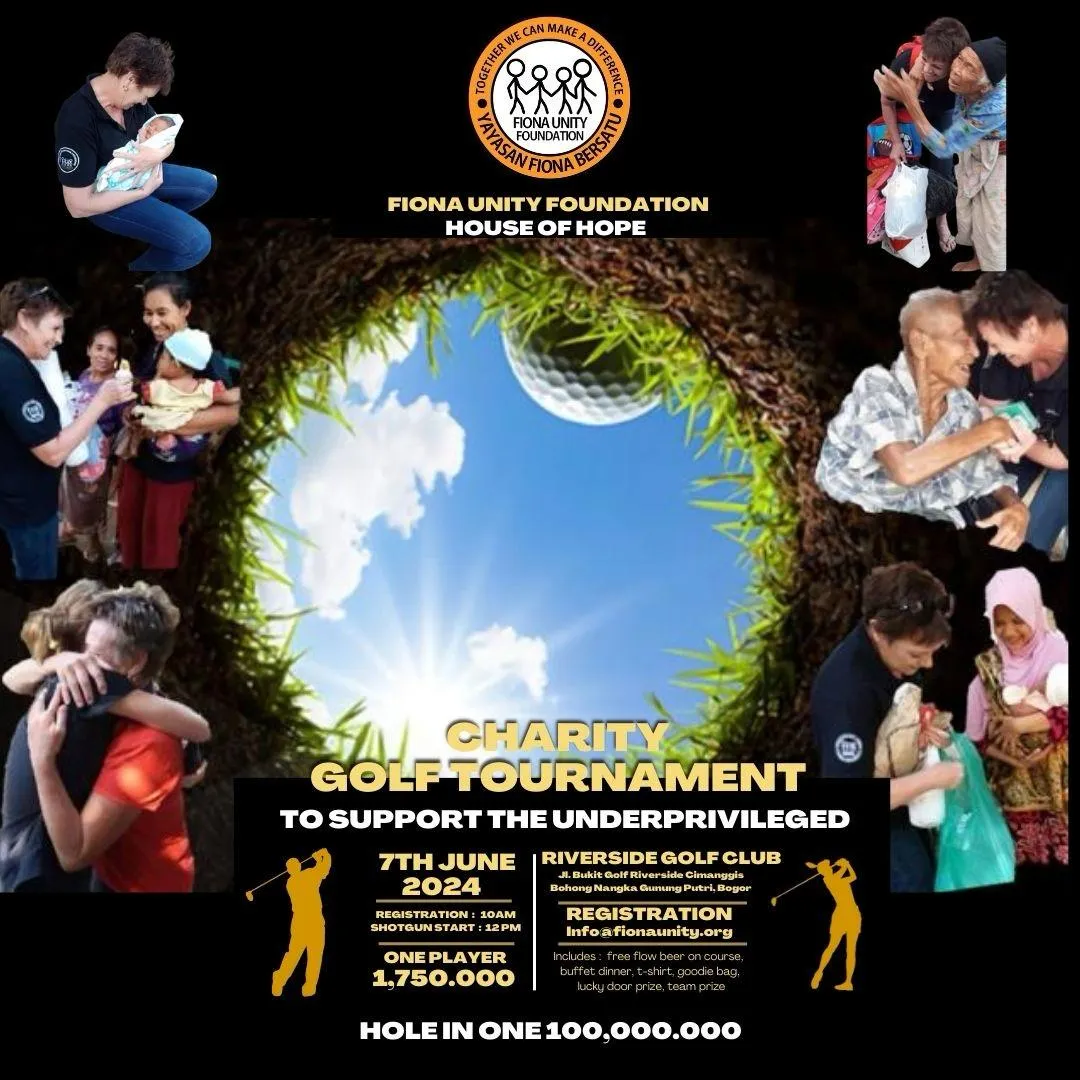
Remember! For just $200 you can make a life time change to some one in need! If you would like to support the "Fiona Unity Foundation", please contact Fiona +62 813 8361 8535.
.#CleanWaterNow, #SustainableSanitation, #EastLombokProject, #PamsimasProgram, #HygieneEducation, #CommunityWater, #WaterFiltration, #SanitationForSchools, #WaterScarcitySolution, #BetterSchoolFacilities
TL;DR: East Lombok schools lack toilets and clean water; community-driven projects like Pamsimas provide a path to sustainable sanitation and safer schools for children.