Transforming East Lombok: Sanitation and Water for Schools
Transforming East Lombok: Sanitation and Water for Schools
Feb 06, 2026
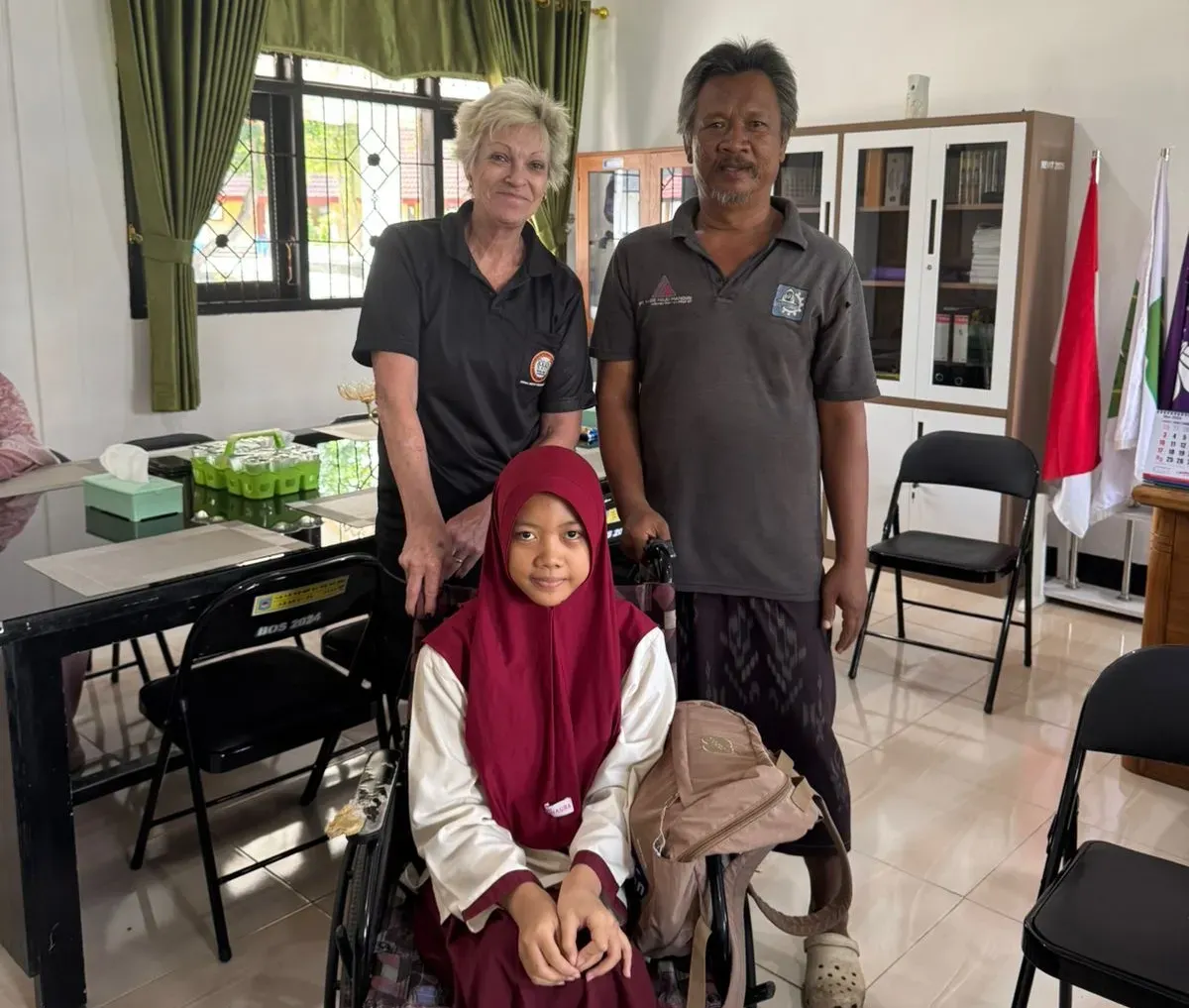
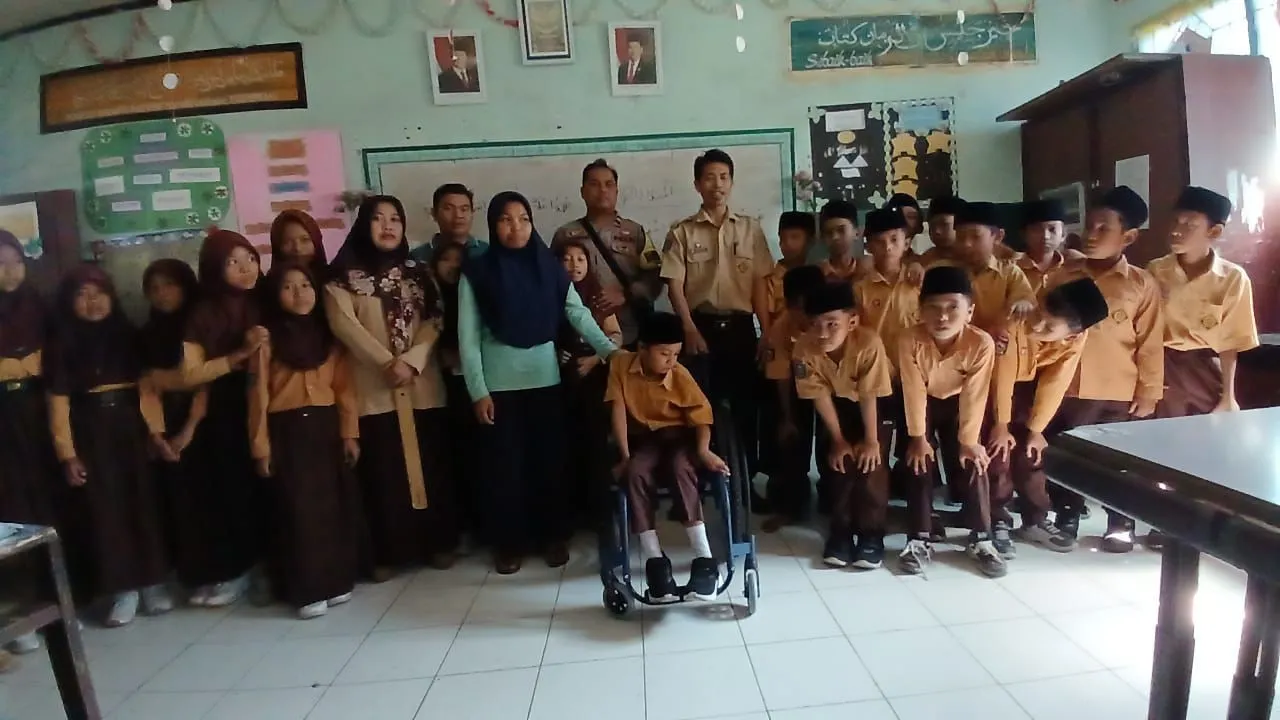
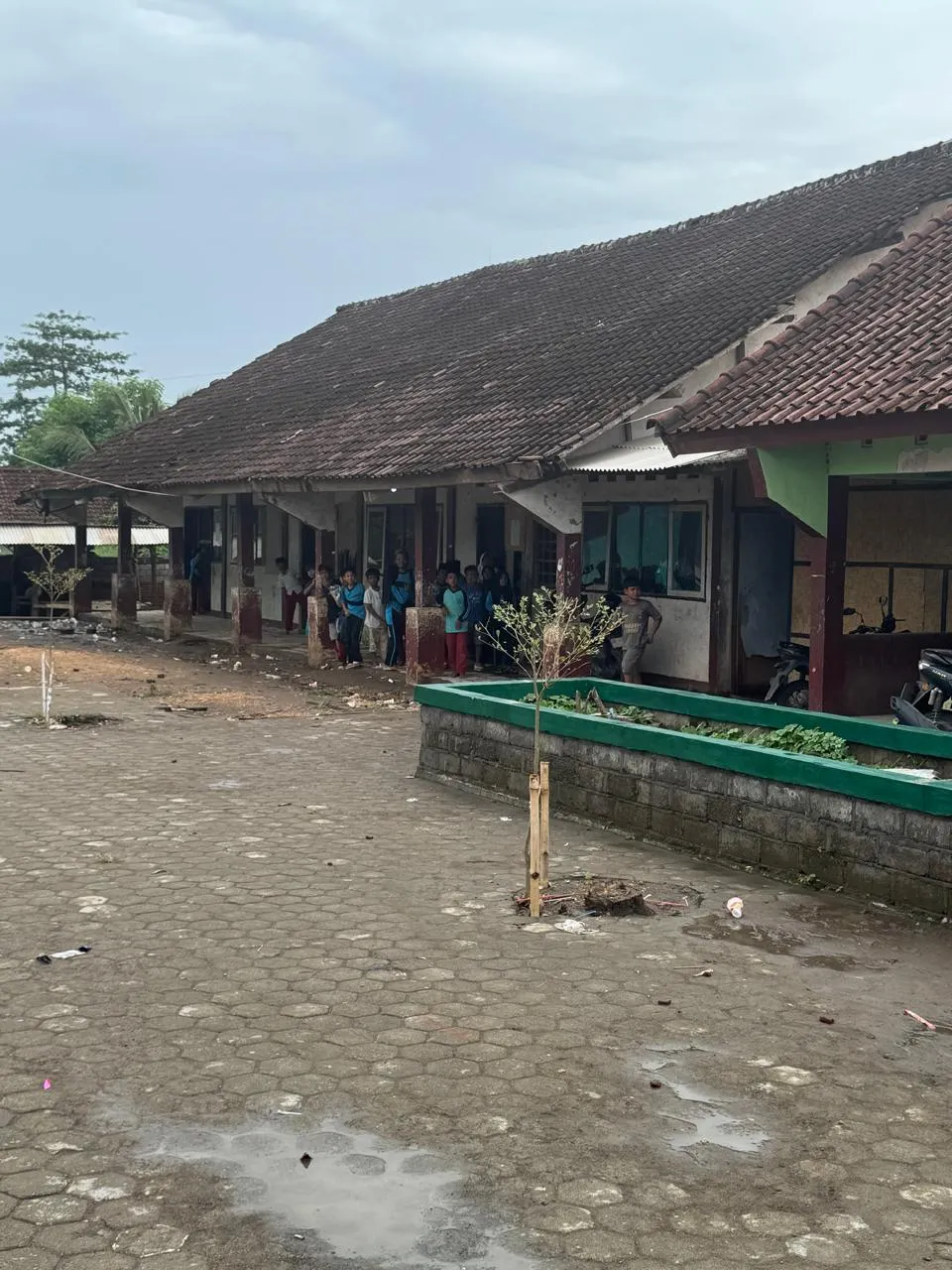
Visiting SDN 2 Sekaroh in East Lombok was an eye-opener — a school with 300 children, yet no toilets in sight. The heartache of witnessing children forced to endure such basic sanitation deprivation is profound. This isn’t just about infrastructure; it’s about human dignity, health, and a community’s future. This post unpacks the reality of sanitation in East Lombok schools and explores the ongoing efforts and future plans to provide clean water and proper toilet facilities.
The Harsh Reality: Sanitation Challenges in East Lombok Schools
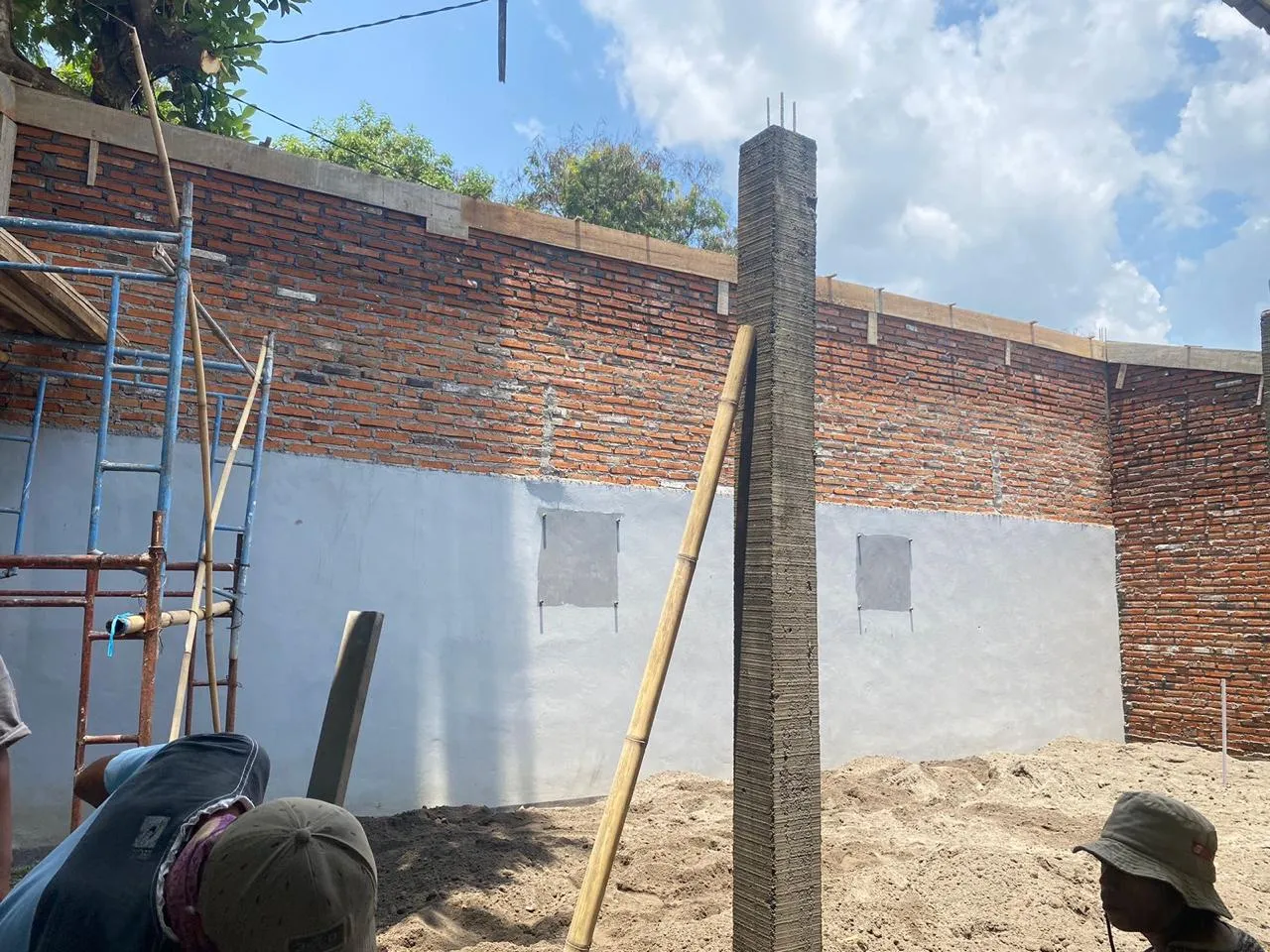
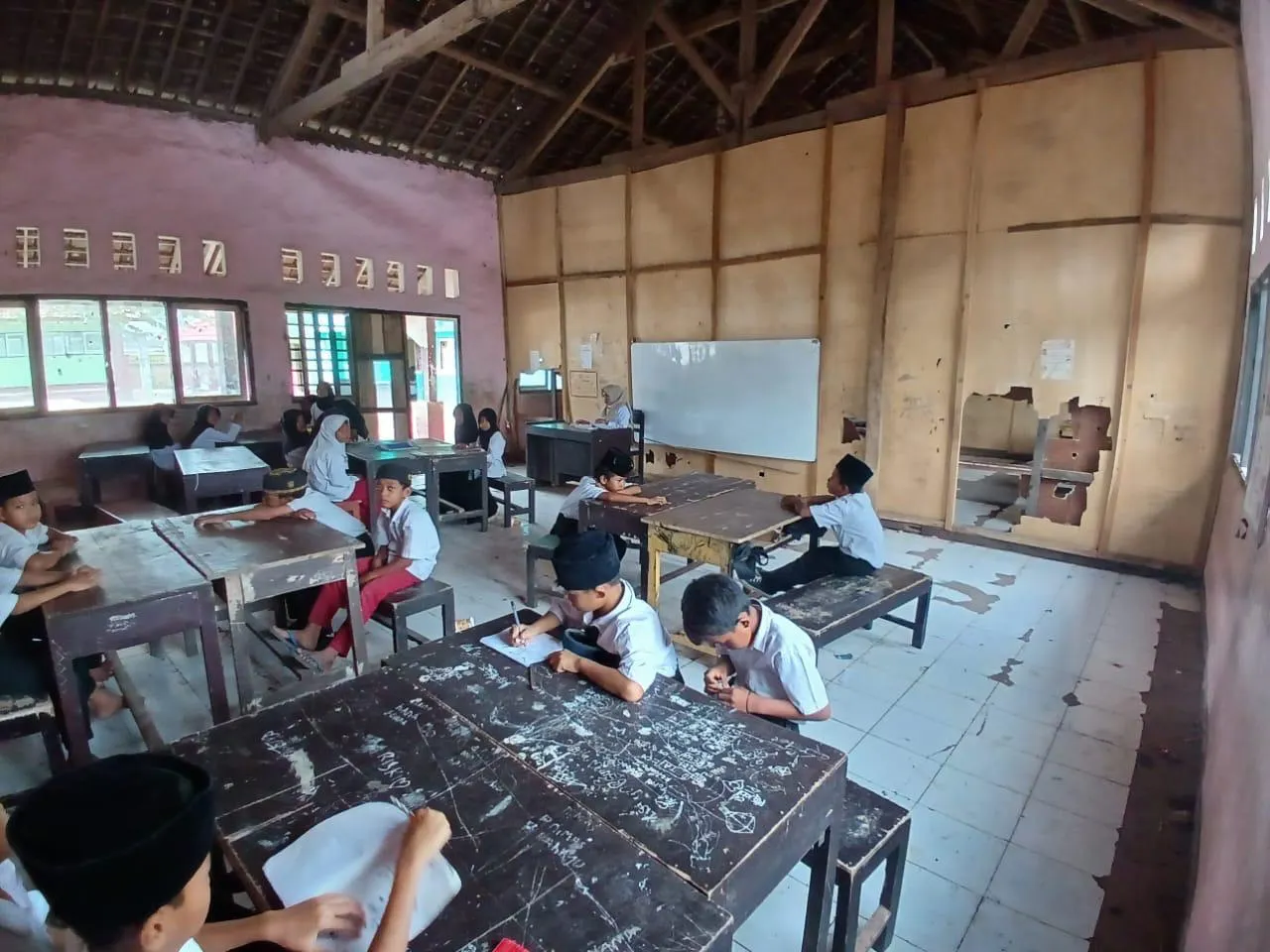
Sanitation access in East Lombok schools remains a critical and urgent issue. During a recent visit on January 28, 2026, to SDN 2 Sekaroh, the severity of the problem became painfully clear. This school, which serves 300 students, has zero toilet facilities. The absence of even basic sanitation infrastructure forces children into unsafe and undignified situations every day.
Open Defecation: A Daily Struggle
Without toilets, students at SDN 2 Sekaroh are left with no option but to practice open defecation. This is not an isolated case—open defecation is common in East Lombok due to widespread sanitation gaps in school facilities. The lack of proper toilets exposes children to significant health risks, including the spread of waterborne diseases and infections. These risks are especially high in young children, who are more vulnerable to illness and its long-term effects on development.
Health Risks and Loss of Dignity
The absence of sanitation projects in schools like SDN 2 Sekaroh does not only threaten physical health. It also impacts students’ dignity and sense of safety. Girls, in particular, face additional challenges, often missing school during menstruation due to the lack of private and hygienic facilities. The result is not just discomfort, but also lost learning opportunities and increased dropout rates.
Sanitation Access: A Fundamental Human Right
Access to basic sanitation is a human right — not a luxury.
Despite this, many children in East Lombok are denied this right every day. The local government and district administrations face ongoing challenges in providing adequate sanitation infrastructure. As a result, the basic needs of students are often overlooked, leaving them exposed to preventable health and development challenges.
- 300 students at SDN 2 Sekaroh without toilets
- Open defecation is a daily reality for many children in East Lombok
- Sanitation gaps in school facilities increase health risks and hinder education
Addressing these sanitation challenges is essential for the well-being and future of East Lombok’s children. Without urgent action, the cycle of poor health, lost dignity, and missed educational opportunities will continue.
Community-Based Solutions and the SEHATI Programme
In East Lombok, the need for safe sanitation and clean water in schools is urgent. At SDN 2 Sekaroh, the absence of toilets highlights the daily challenges faced by 300 students. Addressing these issues requires more than just infrastructure—it demands a community-based approach that ensures long-term success and acceptance.
SEHATI: Promoting STBM Implementation in East Lombok
The SEHATI Programme is a leading force in advancing community-based solutions for sanitation and hygiene across Eastern Indonesia, including East Lombok. SEHATI builds on the success of the SHAW (Sanitation, Hygiene, and Water) program, which previously reached 1.45 million people in 802 villages across seven districts. The program’s main goal is to implement the five pillars of STBM (Community-Based Total Sanitation), focusing on:
- Ending open defecation
- Promoting handwashing with soap
- Ensuring safe water management
- Managing household waste
- Managing household liquid waste
Community involvement is central to SEHATI’s strategy. Local stakeholders, such as Yayasan Masyarakat Peduli, play a crucial role in engaging families, teachers, and students. Their participation helps tailor solutions to the community’s unique needs, making sanitation and hygiene improvements more effective and sustainable.
Community participation is the backbone of sustainable sanitation projects.
Building Infrastructure for Total Sanitation and Hygiene
SEHATI’s work in East Lombok includes constructing new toilet blocks and installing clean water access points in schools like SDN 2 Sekaroh. These efforts are not just about building facilities—they are about creating lasting change. By involving the community at every step, from planning to maintenance, SEHATI ensures that improvements in sanitation hygiene are maintained for years to come.
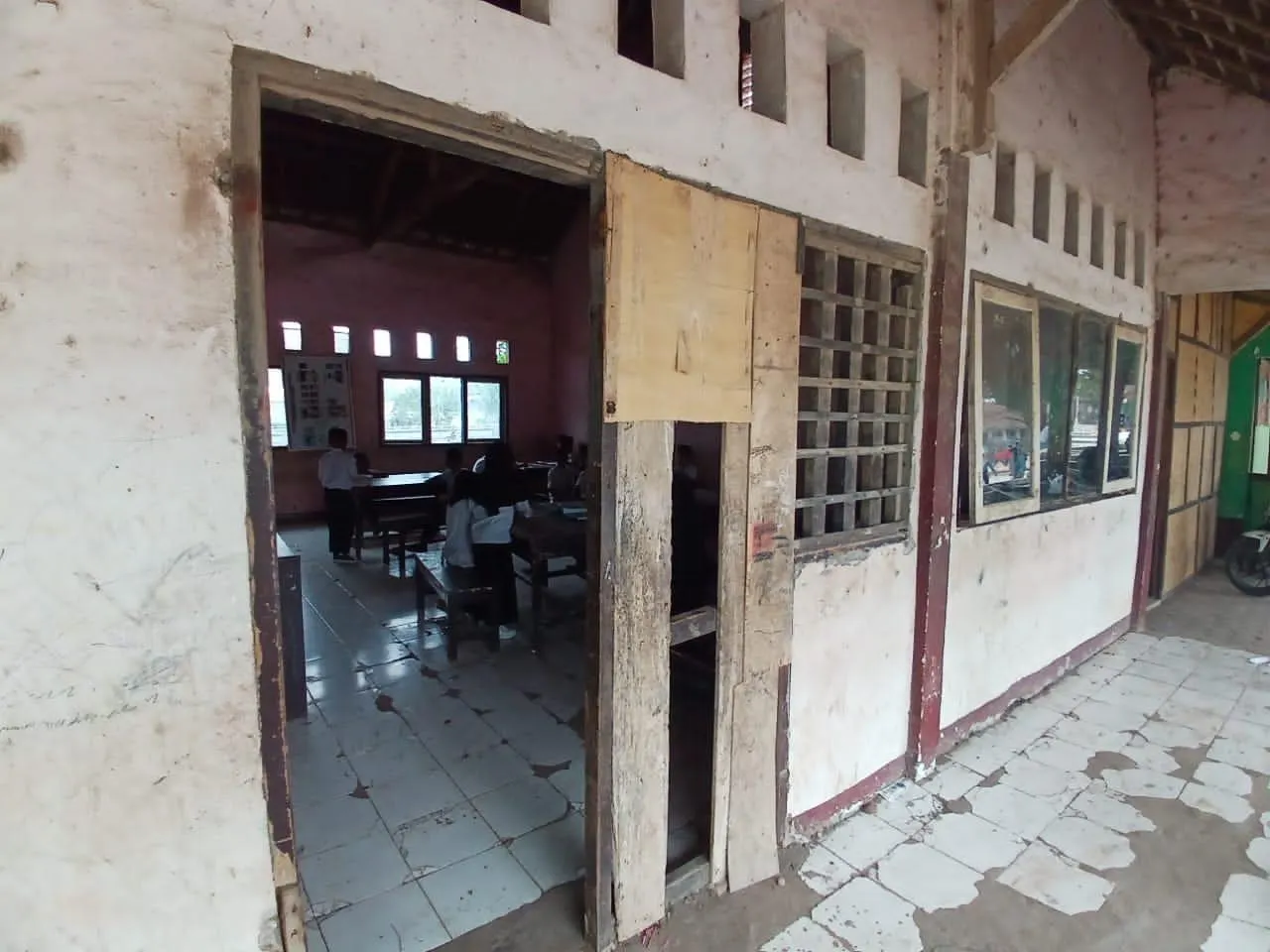
Research shows that community-based interventions lead to greater acceptance and sustainability of sanitation projects. In East Lombok, this means students will have access to safe toilets and clean water, supporting their health and dignity. SEHATI’s focus on total sanitation is transforming schools and empowering communities to protect every child’s right to a healthy environment.
Clean Water Scarcity and Innovative Access Solutions
Water scarcity is a pressing issue in rural East Lombok, where many families and students face daily challenges just to access clean water. In some villages, residents must walk up to 5 kilometers each day to reach the nearest water source. This long journey not only takes time away from school and work but also exposes children to unsafe water and poor sanitation conditions.
At SDN 2 Sekaroh, the situation is especially dire. During a recent visit, it was discovered that there are absolutely no toilets available for the 300 students. Without proper sanitation and clean water, children are forced to endure conditions that no child should ever face. Access to basic sanitation is a human right—not a luxury.
Innovative Water Systems: The IMPACTO Pilot
To address water scarcity, innovative solutions are being piloted in East Lombok. One such example is the 67-meter well drilled by IMPACTO in Desa Bujak. This well provides a reliable source of clean water for the community, demonstrating the potential for replicable water systems across the region. By bringing water closer to where people live and learn, these projects reduce the need for long walks and improve daily life for villagers.
Integrated Water and Sanitation Solutions
Research shows that integrated water and sanitation solutions are critical for sustainable outcomes. In East Lombok, efforts to improve water access are combined with sanitation upgrades, such as building new toilet blocks in schools. This approach not only provides clean water but also supports better hygiene and health for students and teachers.
- Water system improvements reduce walking distances for villagers and students.
- Clean water access is linked with higher school attendance and improved health.
- Sanitation upgrades, like new toilets, work best when paired with reliable water sources.
Providing clean water is as vital as building toilets for health and dignity.
By focusing on both clean water access and sanitation, East Lombok is taking important steps toward a healthier, more dignified future for its children. These integrated solutions are essential for breaking the cycle of water scarcity and poor sanitation in rural communities.
Broader Health Risks and Environmental Concerns
The lack of proper sanitation facilities at SDN 2 Sekaroh in East Lombok is not just a local issue—it is a public health and environmental crisis. With absolutely no toilets available for 300 students, children are forced to practice open defecation. This practice is a major contributor to water contamination and the spread of diseases, especially in areas where clean water is already scarce.
Health Risks Linked to Sanitation Gaps
Open defecation exposes children and the wider community to serious health risks. Without adequate sanitation hygiene, harmful bacteria and viruses can easily enter water sources, leading to outbreaks of diarrhea, cholera, and other infections. In East Lombok, high rates of open defecation are closely linked to increased cases of sanitation-related diseases, putting children’s lives at risk and placing a heavy burden on families and local healthcare systems.
Improving sanitation is essential to break the cycle of disease and poverty.
Environmental Impact and the Need for Wastewater Treatment
The environmental consequences of poor sanitation are equally alarming. Untreated human waste seeps into the soil and waterways, polluting rivers and groundwater. This contamination affects not only the immediate school environment but also the broader ecosystem. Wastewater treatment infrastructure remains underdeveloped in East Lombok, making it difficult to manage waste safely and sustainably. While cities like Mataram in West Nusa Tenggara have started wastewater treatment programs, many rural and semi-urban areas lag behind.
Tourism and Sanitation: A Growing Challenge
East Lombok and nearby tourist destinations such as Mandalika are experiencing rapid growth in tourism. However, this development increases pressure on existing sanitation facilities. Without urgent upgrades, both visitors and locals face heightened health risks. Clean and safe sanitation is not only a basic human right but also a necessity for maintaining the region’s reputation as a tourist destination.
- Open defecation leads to water contamination and disease outbreaks.
- Wastewater treatment is a key pillar in citywide sanitation plans.
- Tourism growth demands improved sanitation hygiene for all.
- Sanitation gaps contribute to cycles of illness and poverty.
The urgent need for improved sanitation and wastewater treatment in East Lombok is clear. Addressing these challenges will benefit both public health and the local economy.
Looking Ahead: Toward Universal Sanitation in East Lombok
In East Lombok, the journey toward universal access to safe and dignified school facilities is both urgent and achievable. The recent visit to SDN 2 Sekaroh revealed a stark reality: there are absolutely no toilets for 300 students. This situation highlights the pressing need for comprehensive sanitation projects that prioritize children’s health, dignity, and future opportunities.
Building New Toilet Blocks: A Top Priority
Constructing new toilet blocks in schools is the first step toward transforming the learning environment. Adequate sanitation facilities are essential for students’ well-being and academic success. Without them, children face daily risks to their health and safety. Access to clean water and safe toilets is not a privilege—it is a fundamental human right. As one advocate stated,
Sanitation is more than facilities – it’s about dignity and future generations.
Community-Based Education for Lasting Change
While infrastructure is vital, community education on hygiene is equally important for long-term success. Teaching children about handwashing, personal hygiene, and safe water use helps interrupt cycles of disease and raises community health standards. When students learn these skills at school, they bring them home, creating a ripple effect that benefits entire communities.
Partnerships Driving Progress
Progress toward universal sanitation in East Lombok relies on strong partnerships. Collaboration between district administrations, local communities, and organizations like SEHATI and the Urban Sanitation Development Program ensures that projects are well-planned and sustainable. These partnerships align with both national and international goals for sanitation and hygiene health, leveraging resources and expertise for greater impact.
Envisioning Inclusive, Sustainable Sanitation
The vision for East Lombok is clear: inclusive, sustainable sanitation that protects every child’s rights. This means designing facilities that are accessible to all students, including those with disabilities, and ensuring ongoing maintenance. By combining infrastructure, education, and collaboration, East Lombok can set a new standard for school facilities and hygiene health.
- Building new toilet blocks in schools is a top priority.
- Community-based hygiene education supports lasting behavioral change.
- Partnerships with government and NGOs drive sustainable progress.
- Inclusive sanitation protects children’s rights and futures.
Wild Card: A Day Without Toilets — Imagining the Impact
Imagine arriving at school each day, eager to learn, but knowing there are no toilets available. For the 300 students at SDN 2 Sekaroh in East Lombok, this is not just a thought experiment—it is their daily reality. Without access to basic sanitation, these children face discomfort, embarrassment, and even health hazards, all of which make it difficult to focus on their education and enjoy the simple dignity every child deserves.
Sanitation access is more than a convenience; it is a fundamental human right. When school facilities lack toilets, the consequences ripple through every aspect of a child’s life. Students are forced to endure the humiliation of relieving themselves in unsafe or unsanitary conditions, often in the open or behind buildings. This not only puts their health at risk but also creates a constant distraction, making it nearly impossible to concentrate in class. As one visitor to SDN 2 Sekaroh observed,
No child should ever have to face the humiliation of no toilets at school.
The absence of proper sanitation facilities is not just a physical problem—it is an emotional one. The daily struggle chips away at children’s confidence and self-worth. Girls, in particular, may miss school during their menstrual cycles, widening the gap in educational opportunities. The lack of safe, clean toilets can also increase the spread of disease, further endangering the well-being of students and the wider community.
Yet, envisioning the impact of even modest improvements is powerful. Installing new toilet blocks and providing clean water can transform lives overnight. With safe and accessible school facilities, students can focus on learning, participate fully in activities, and grow up healthier and more confident. This simple change can inspire hope, dignity, and a brighter future for an entire community.
By imagining a day without toilets, we connect emotionally to the urgent need for community-based solutions in East Lombok and beyond. When we feel empathy for these children, we are moved to act. Together, the global community can help ensure that sanitation access is no longer a privilege, but a basic human right for every child. The journey to transform East Lombok’s schools begins with understanding—and with the determination to make a difference.
Remember! For just $200 you can make a life time change to some one in need! If you would like to support the "Fiona Unity Foundation", please contact Fiona +62 813 8361 8535.
SanitationForAll, #EastLombok, #CleanWaterAccess, #CommunitySanitation, #STBMImplementation, #WaterScarcity, #SchoolFacilities, #PublicHealth, #SustainableSanitation, #WaterForSchools
TL;DR: East Lombok’s schools face critical sanitation and water challenges with no toilets for hundreds of children. Community-driven initiatives and government-backed programs like SEHATI’s STBM are working towards changing this harsh reality.