Wheels of Change: How a Wheelchair Renewed a Life in East Lombok
Wheels of Change: How a Wheelchair Renewed a Life in East Lombok
Nov 08, 2025
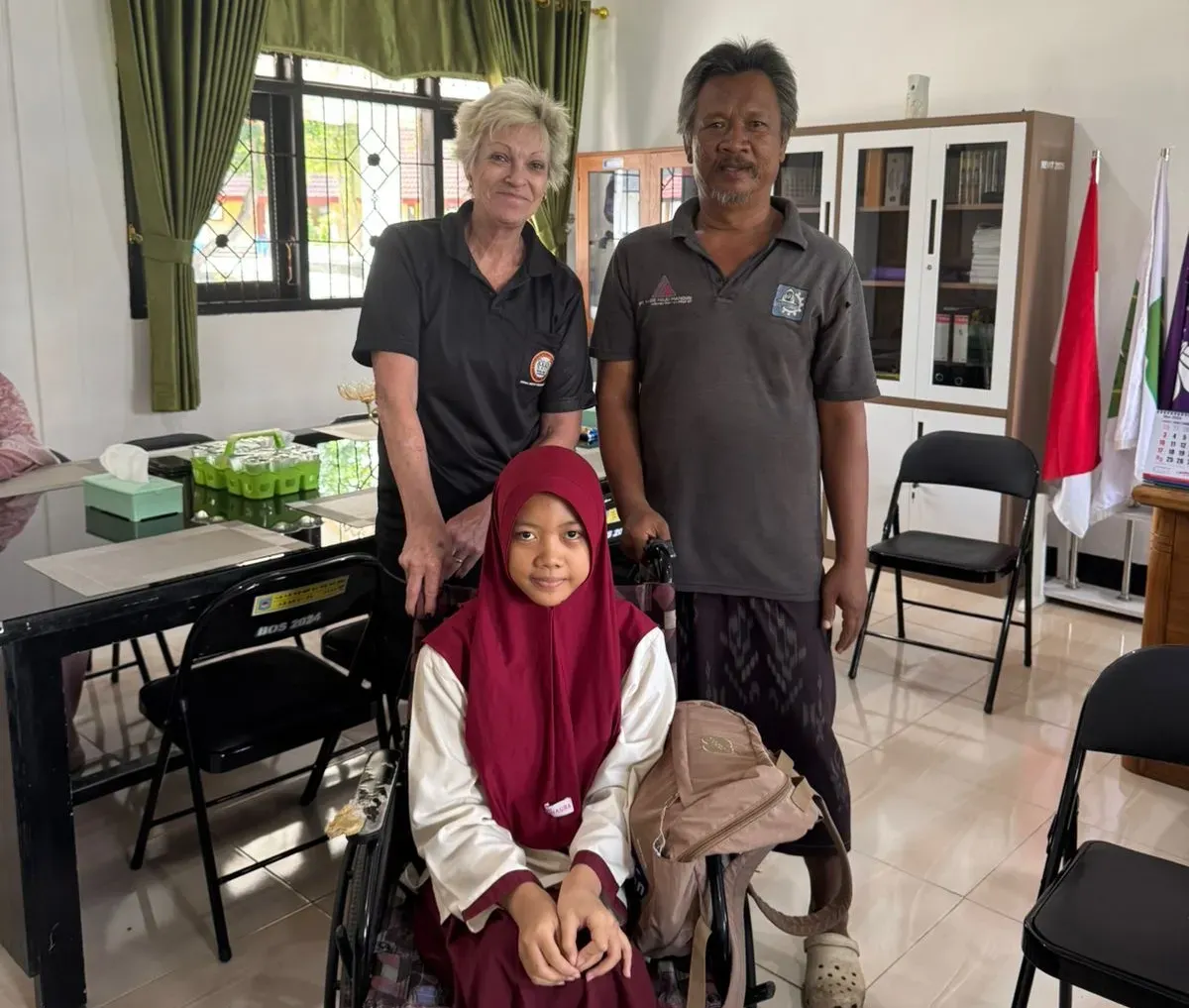
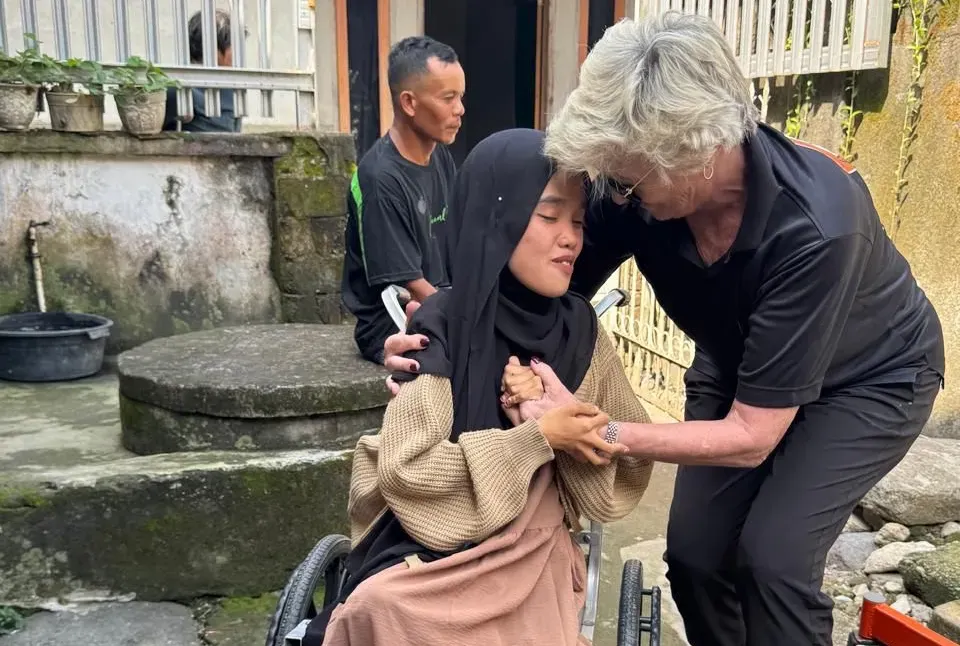
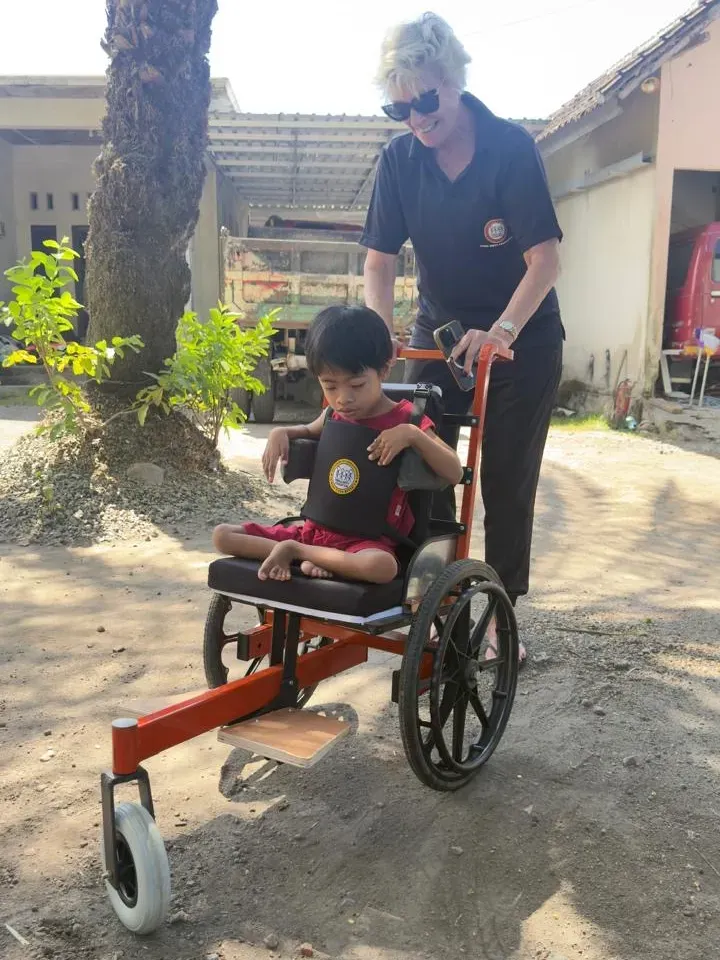
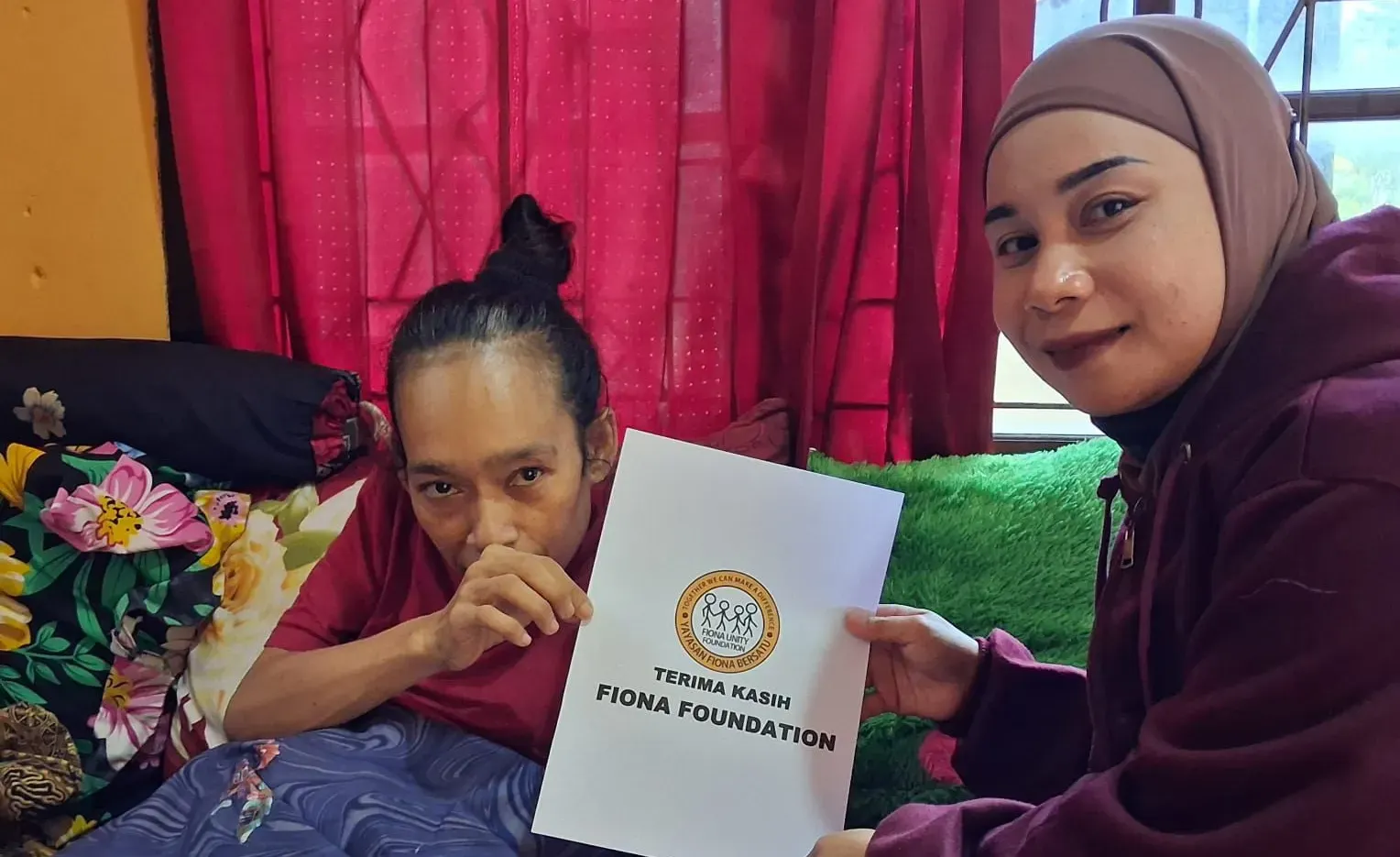
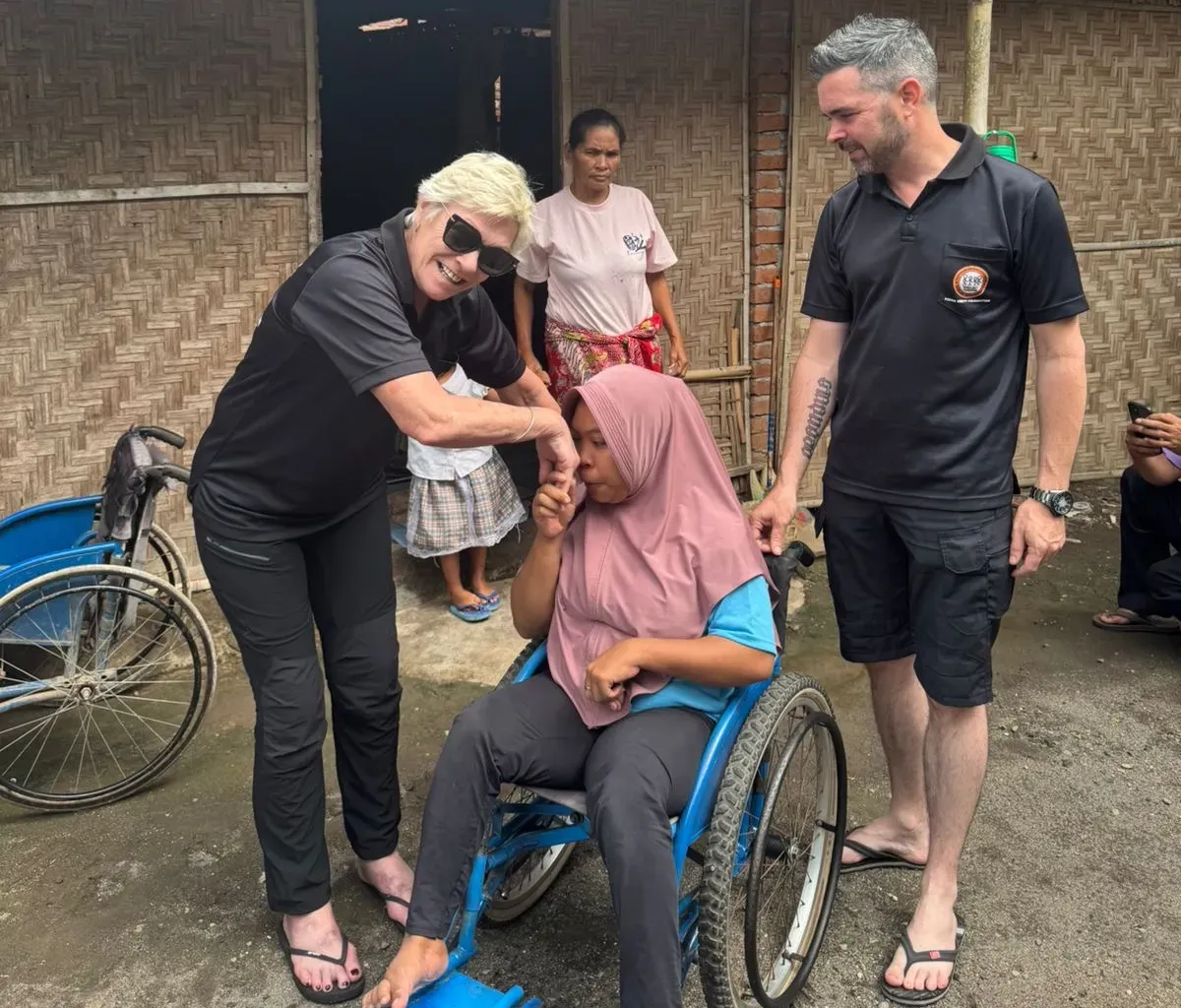
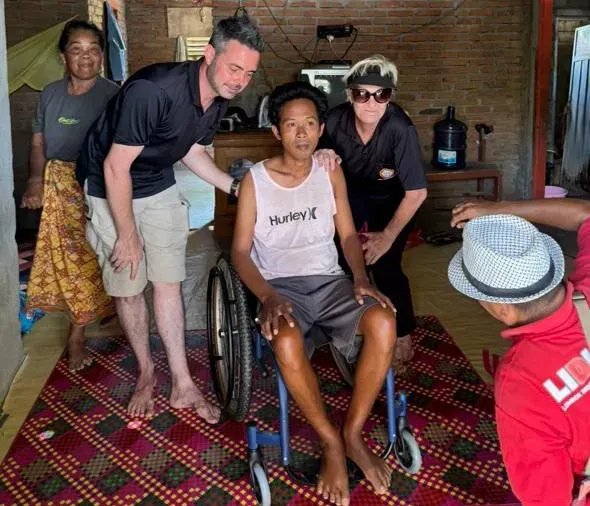
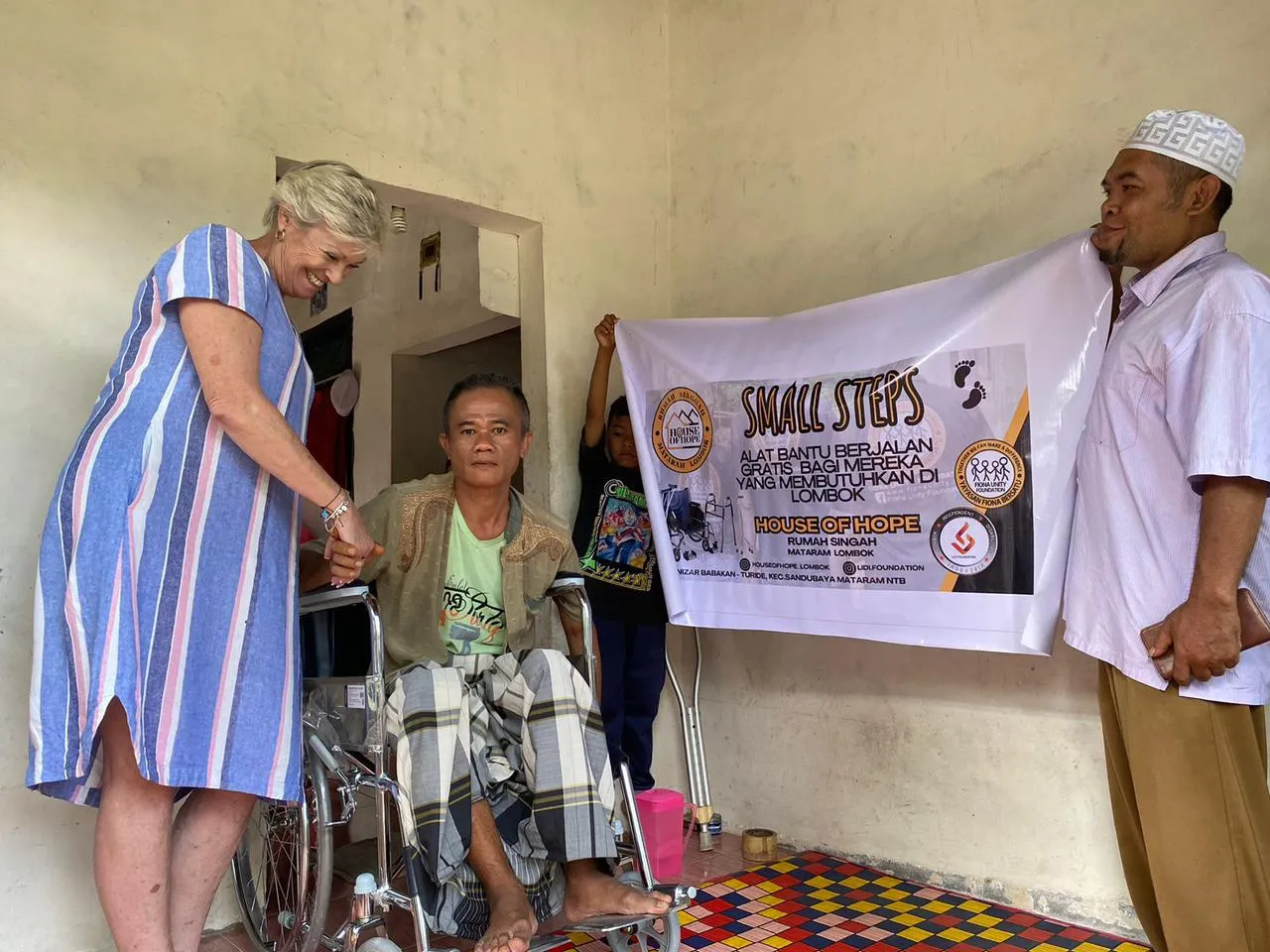
Some stories make you stop and marvel at the ripple effect of a single act of kindness. When Wayne Smith from Jakarta donated a wheelchair to Iman—a young man from a small hamlet in East Lombok who became completely paralyzed after an accident—it didn't just change one life. It set off a quiet revolution: mobility became possible, dignity was restored, and an entire community witnessed what's possible when support finds its way to the right place. This isn't your typical healthcare tale: it's a story with plenty of bumps, unexpected heroes, and the raw honesty that comes from living through what might seem impossible.
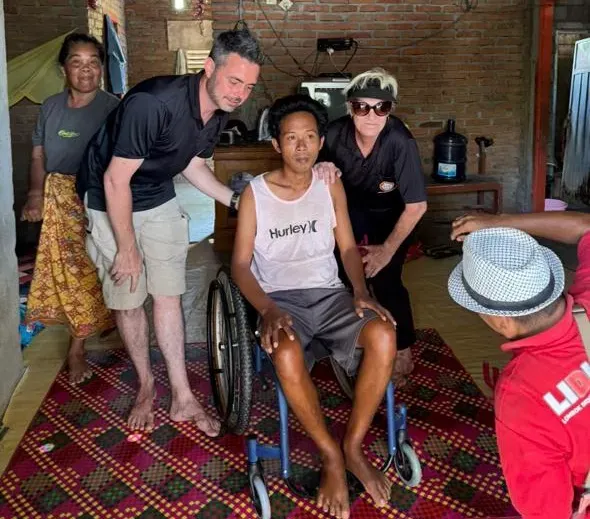
The Power of a Wheelchair: More Than Just Four Wheels
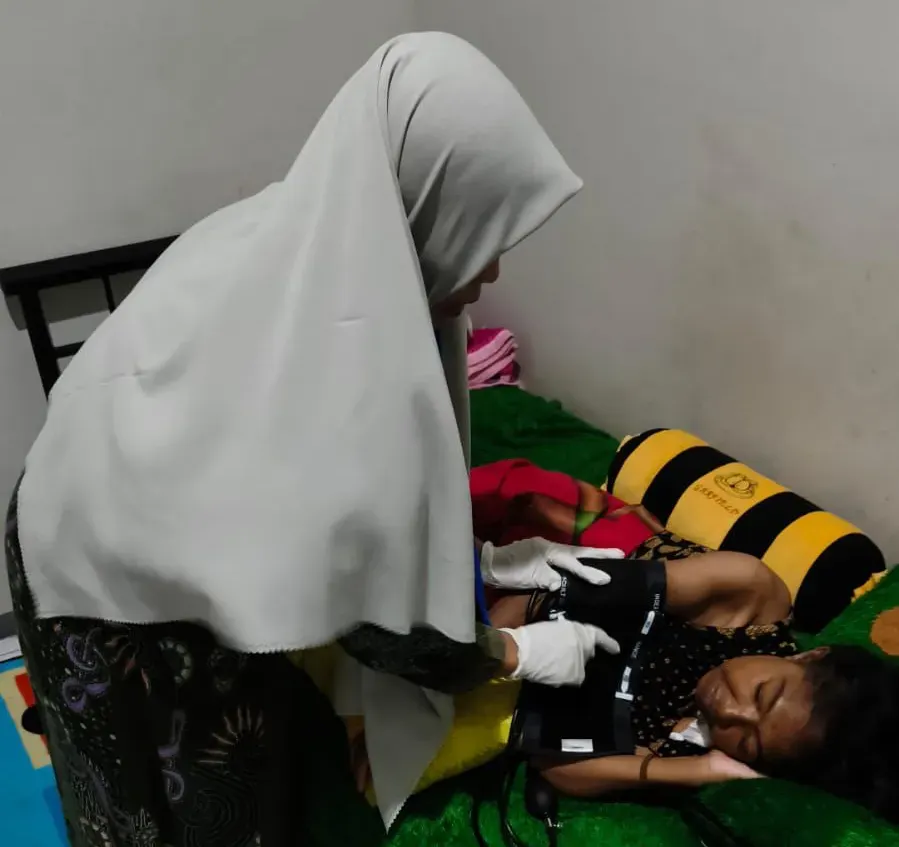
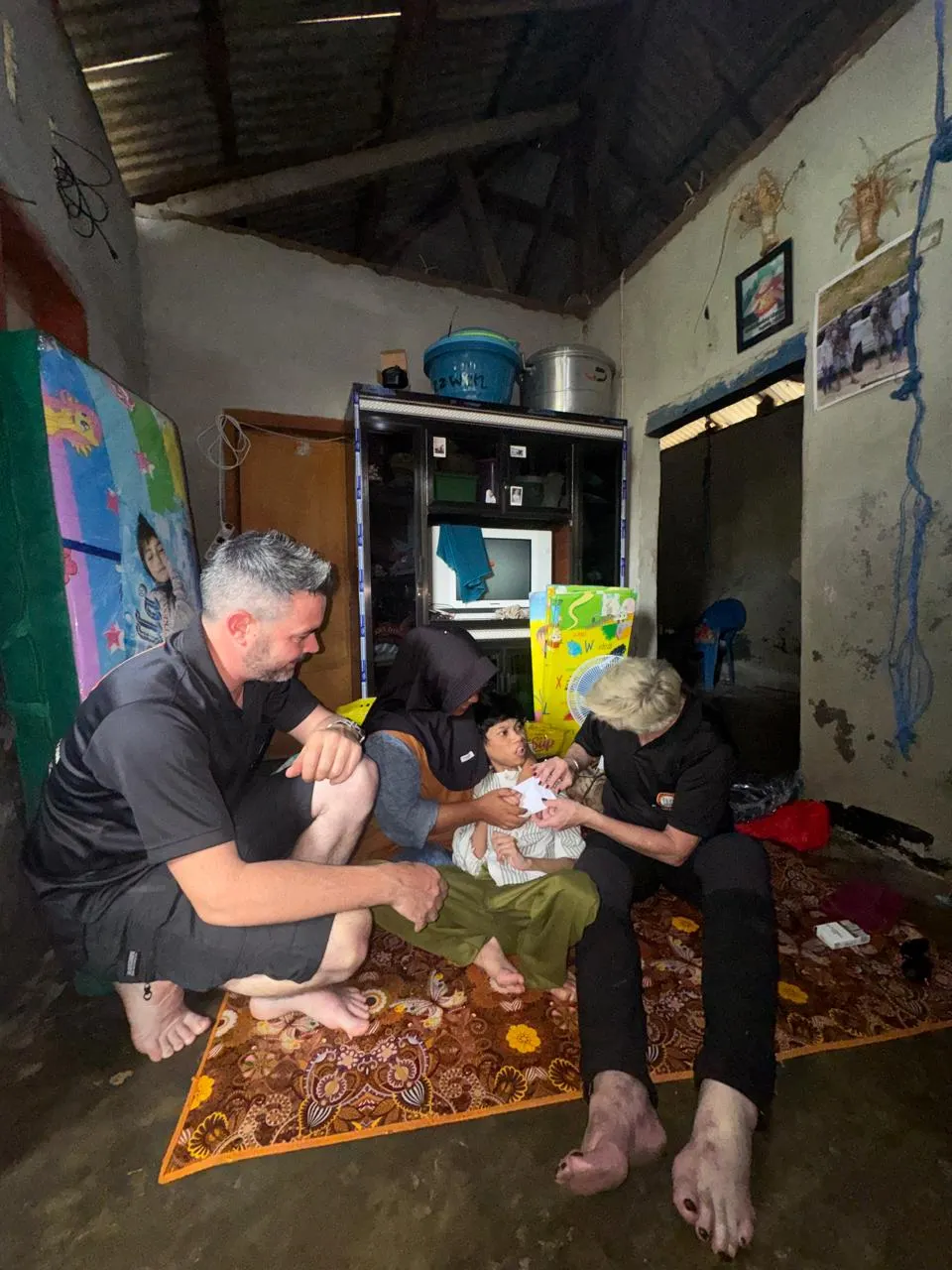
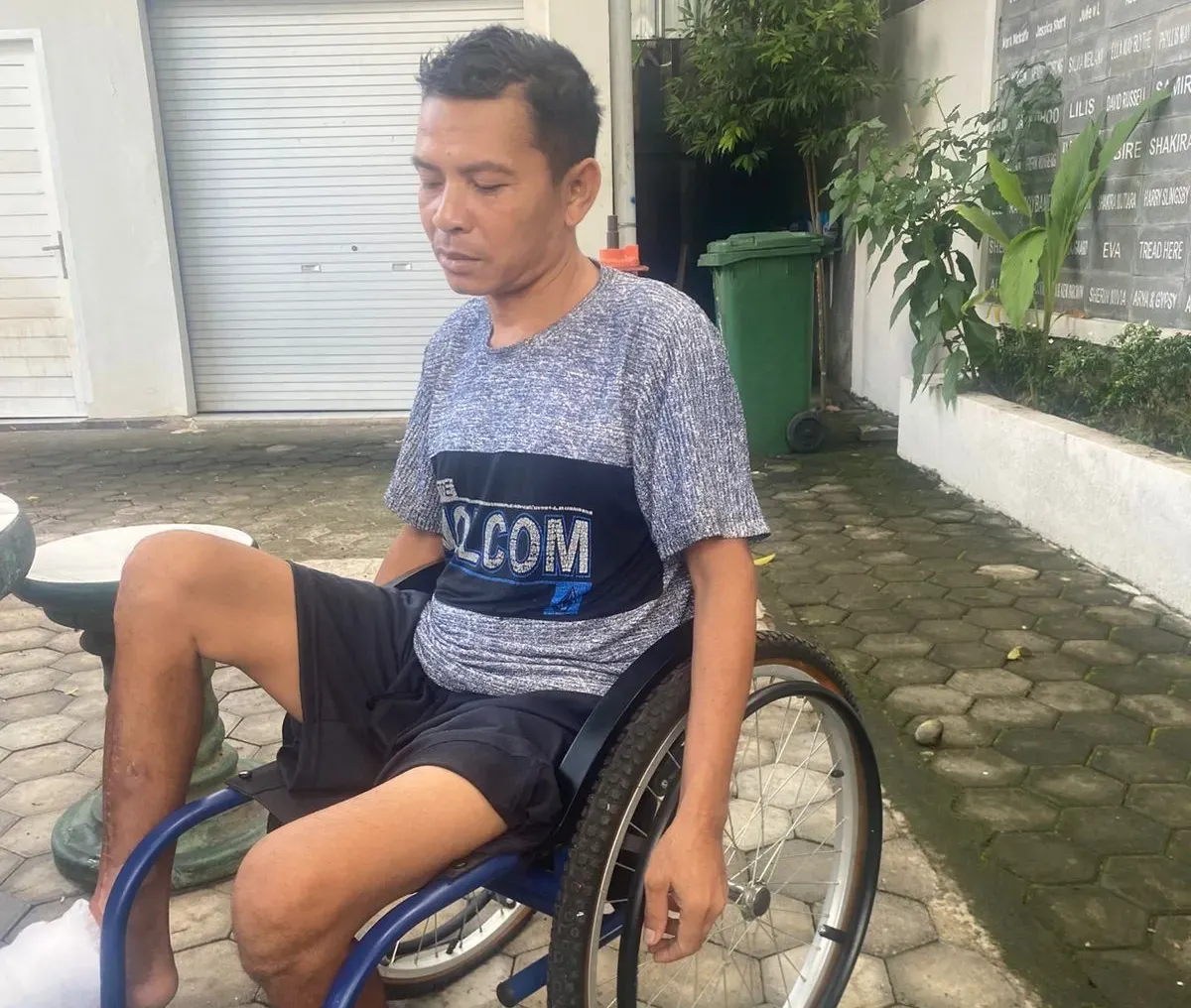
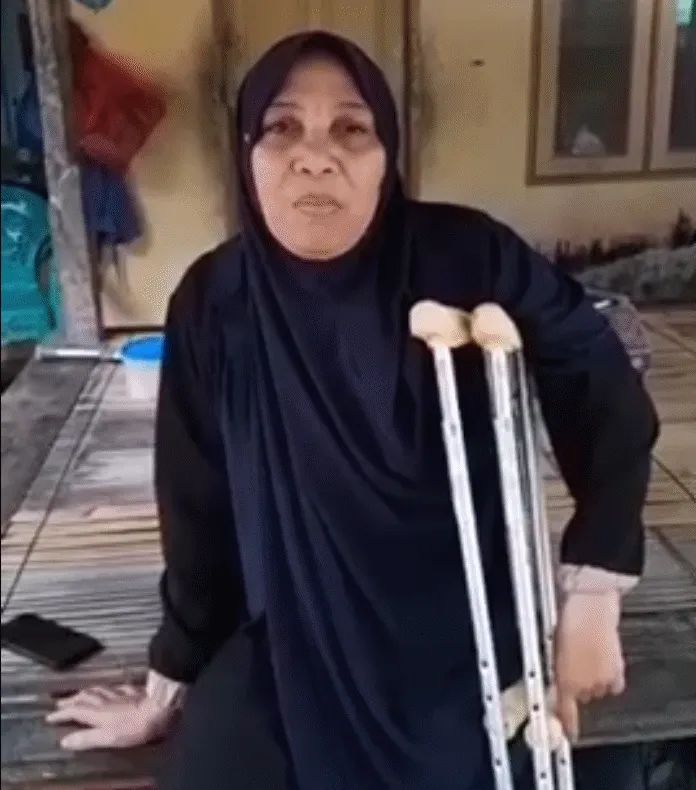
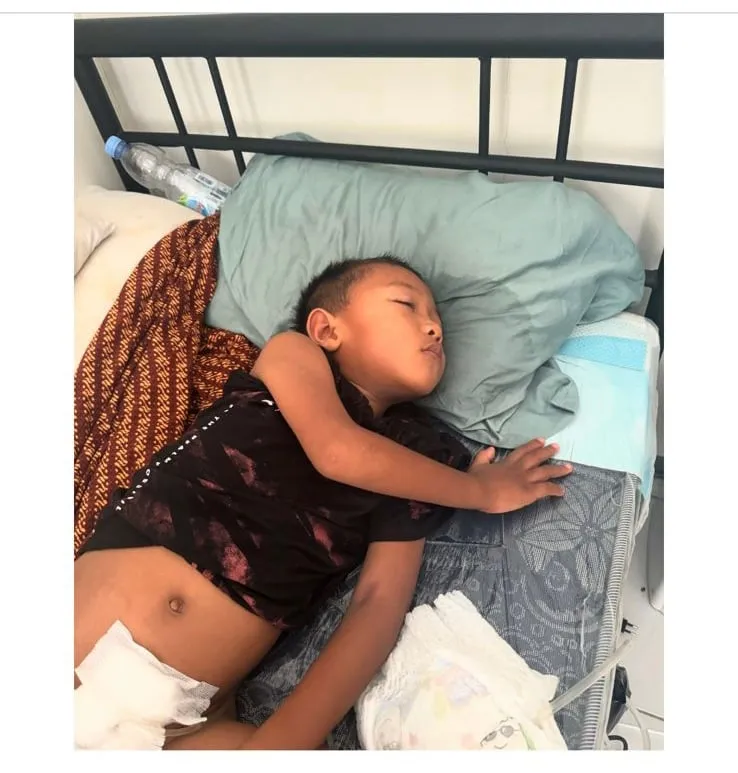
In the quiet village of Pengoros Hamlet, Sekaroh, East Lombok, the story of Iman stands as a testament to the transformative power of community support for the disabled. For Iman, life changed in an instant when a motorcycle accident left him completely paralyzed. Suddenly, the world shrank to the four walls of his home, and daily routines became battles. Simple tasks—moving from room to room, joining family meals, or even stepping outside—became impossible. The dreams he once held seemed out of reach, shadowed by the reality of his mobility impairment.
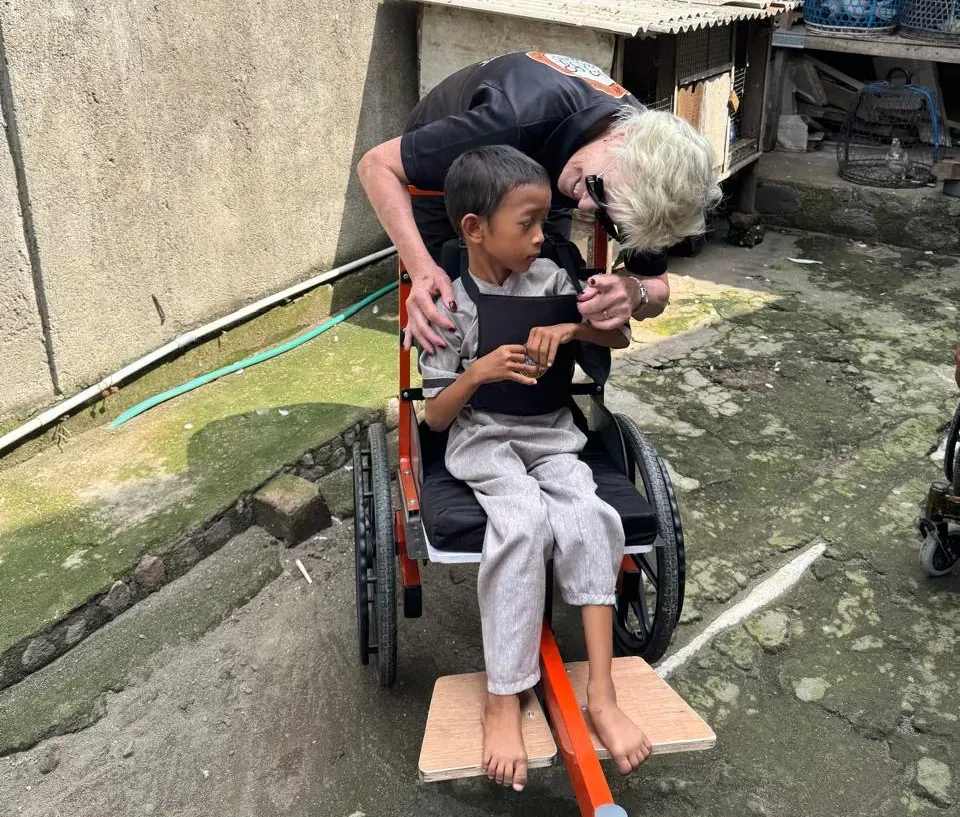
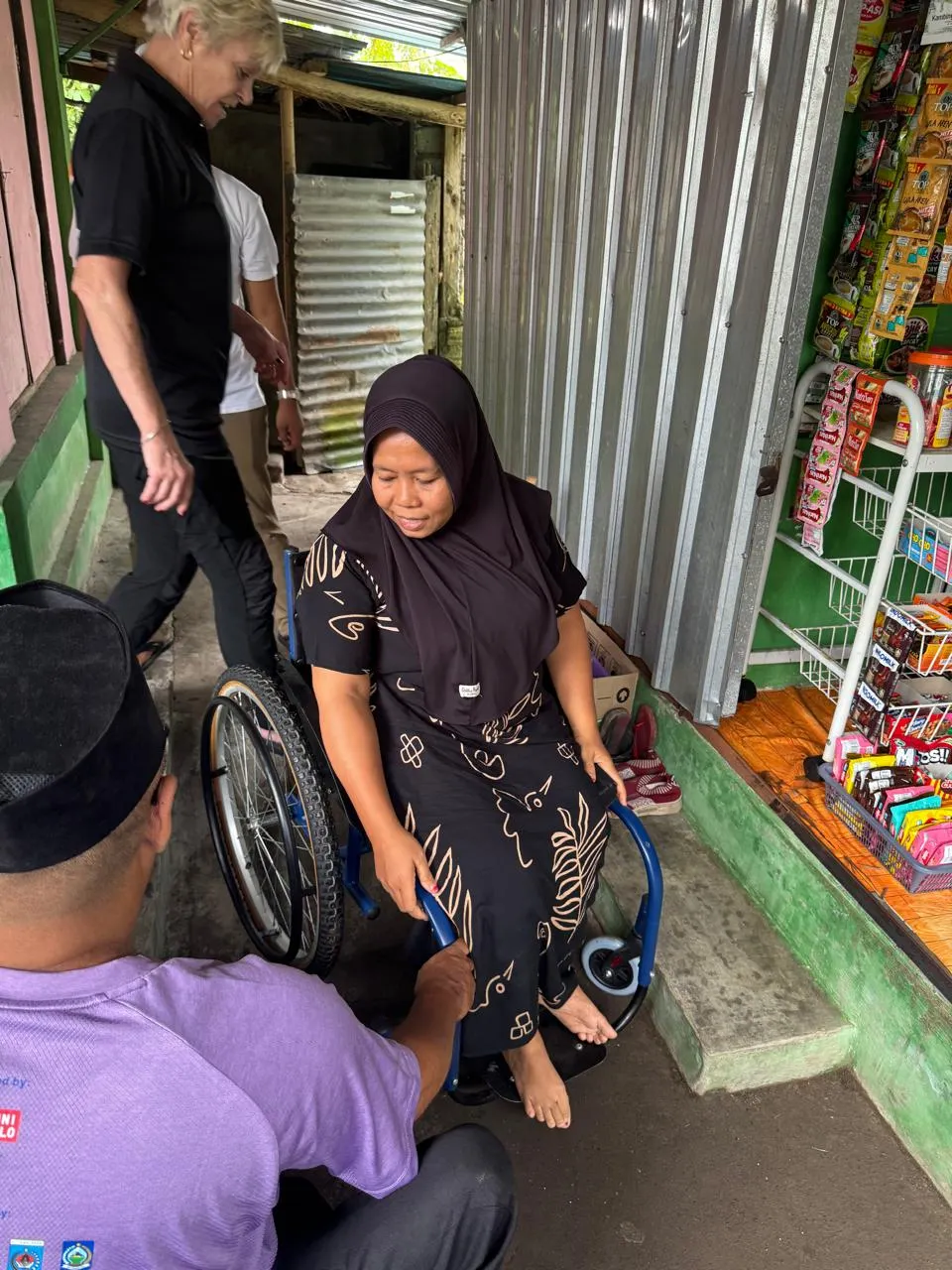
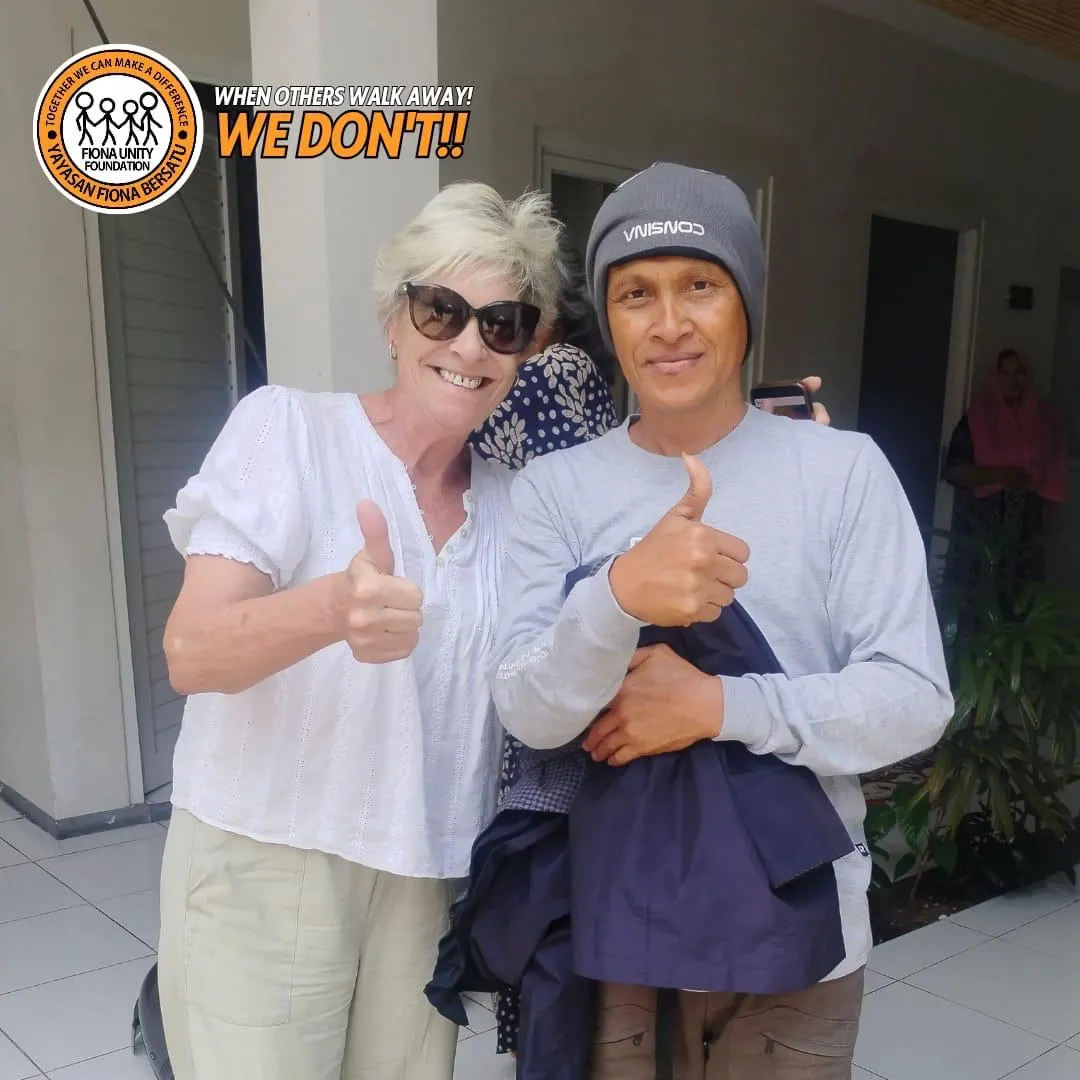
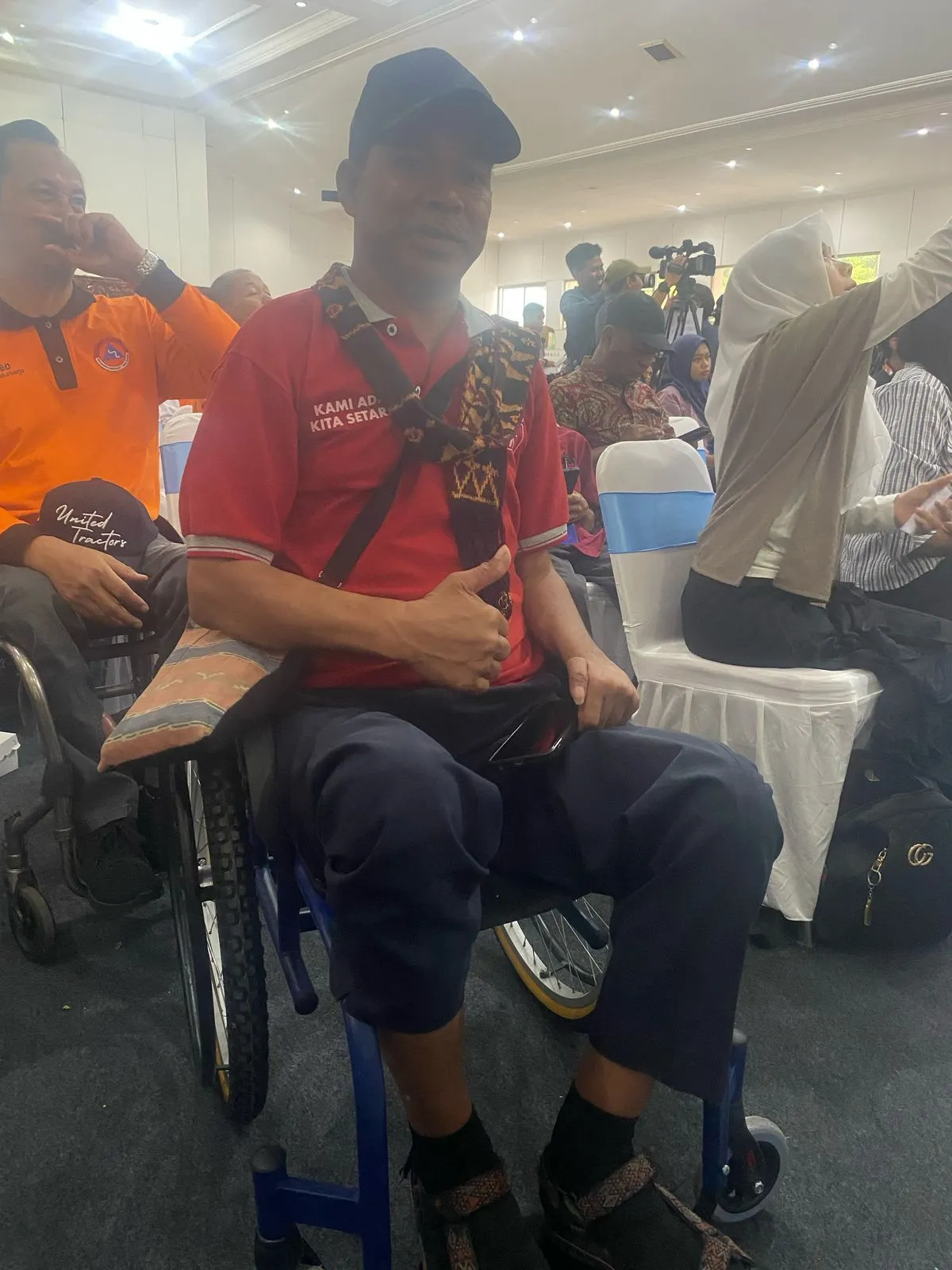
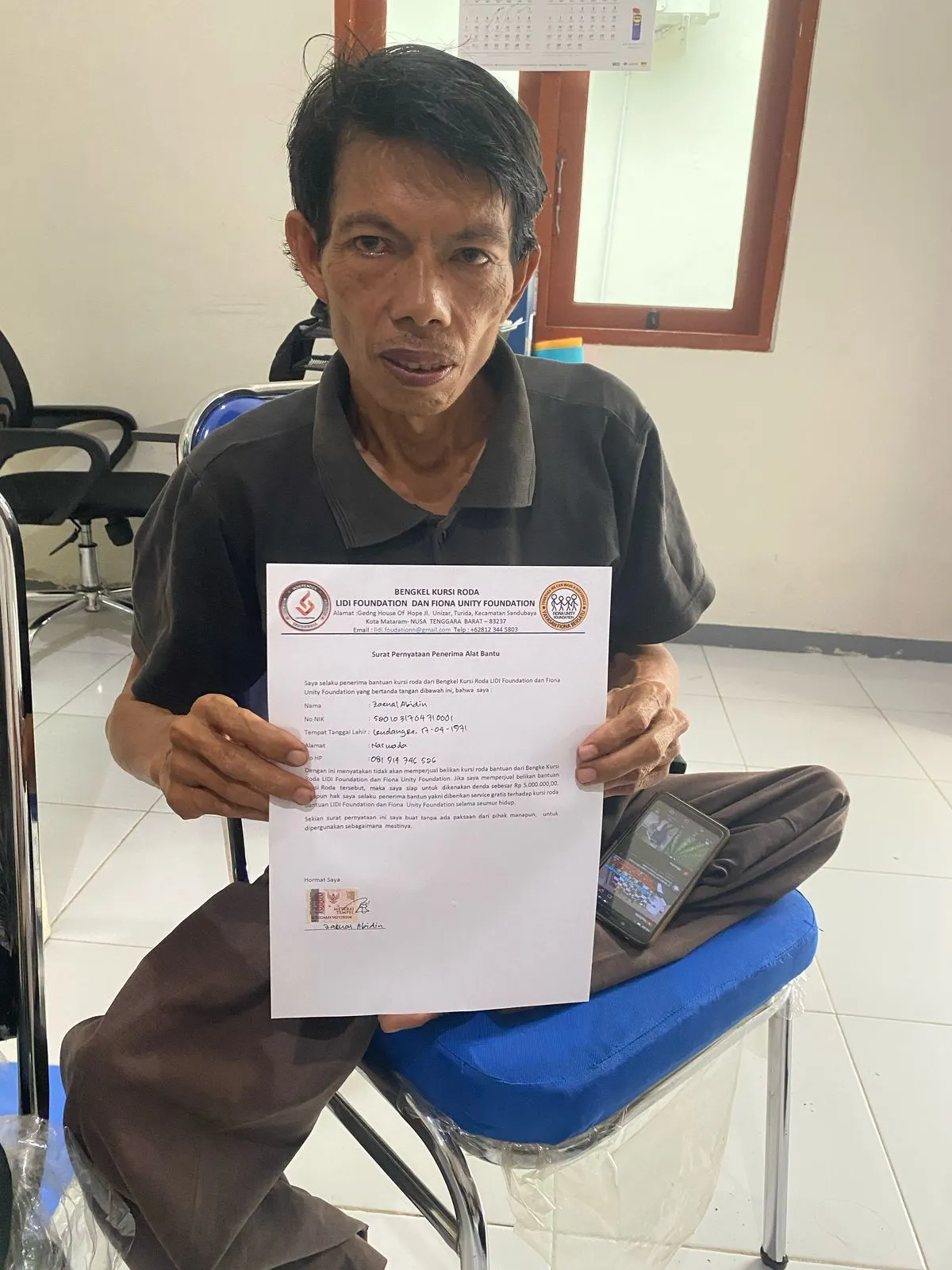
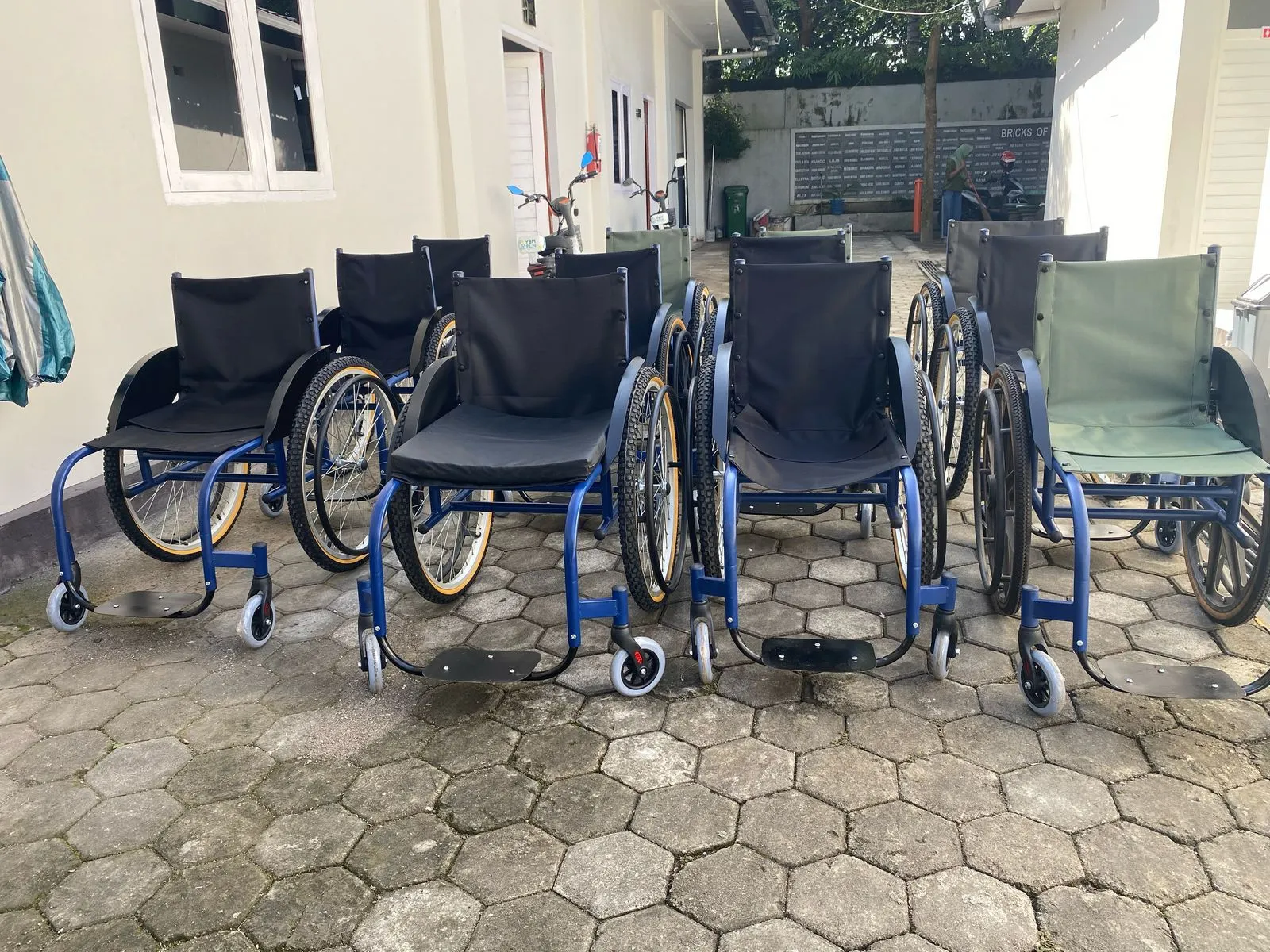
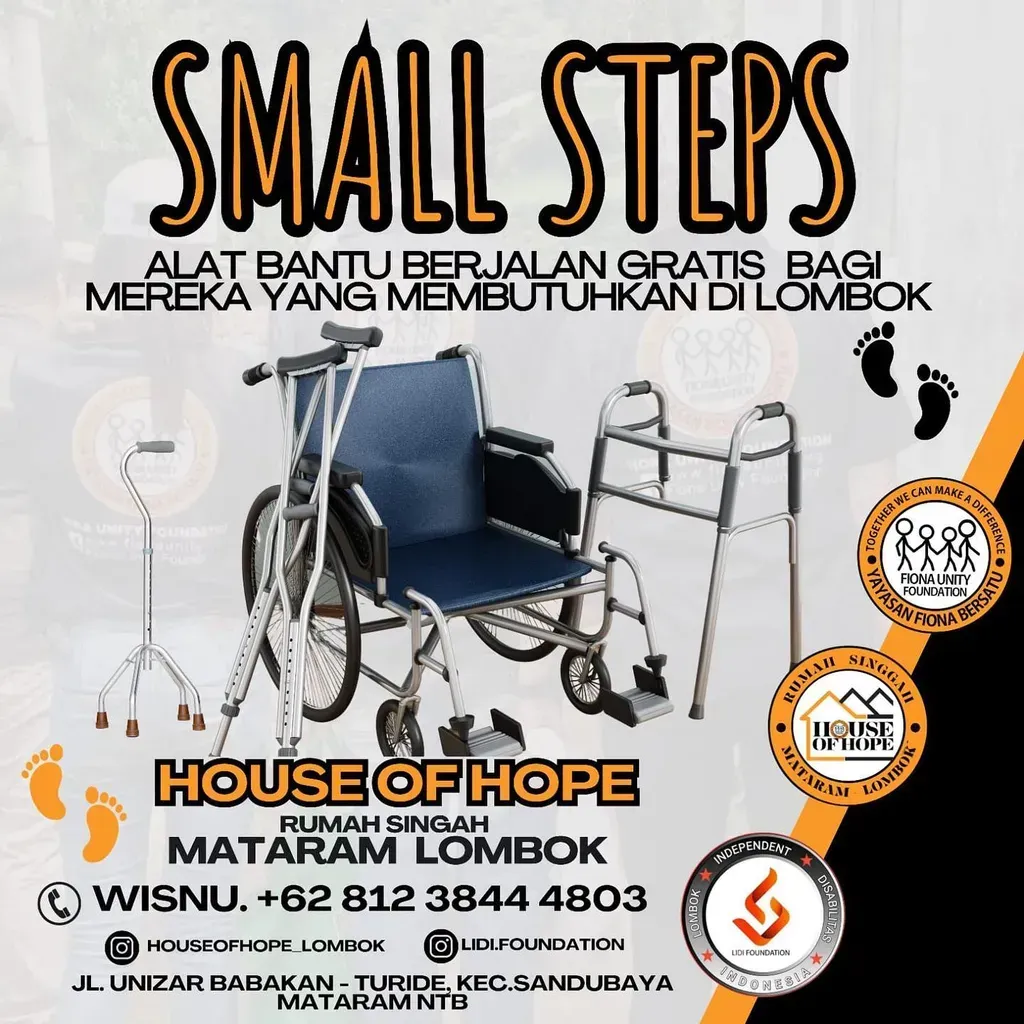
But everything shifted the day a wheelchair arrived at his door. This was not just a piece of equipment; it was a gift of freedom, generously donated by Wayne Smith from Jakarta. In regions like East Lombok, where healthcare resources and assistive technology are limited, the provision of a wheelchair can mean the difference between isolation and participation. The outcomes of such wheelchair provision are felt not only by the recipient but ripple through the entire community.
Before and After: A Life Transformed
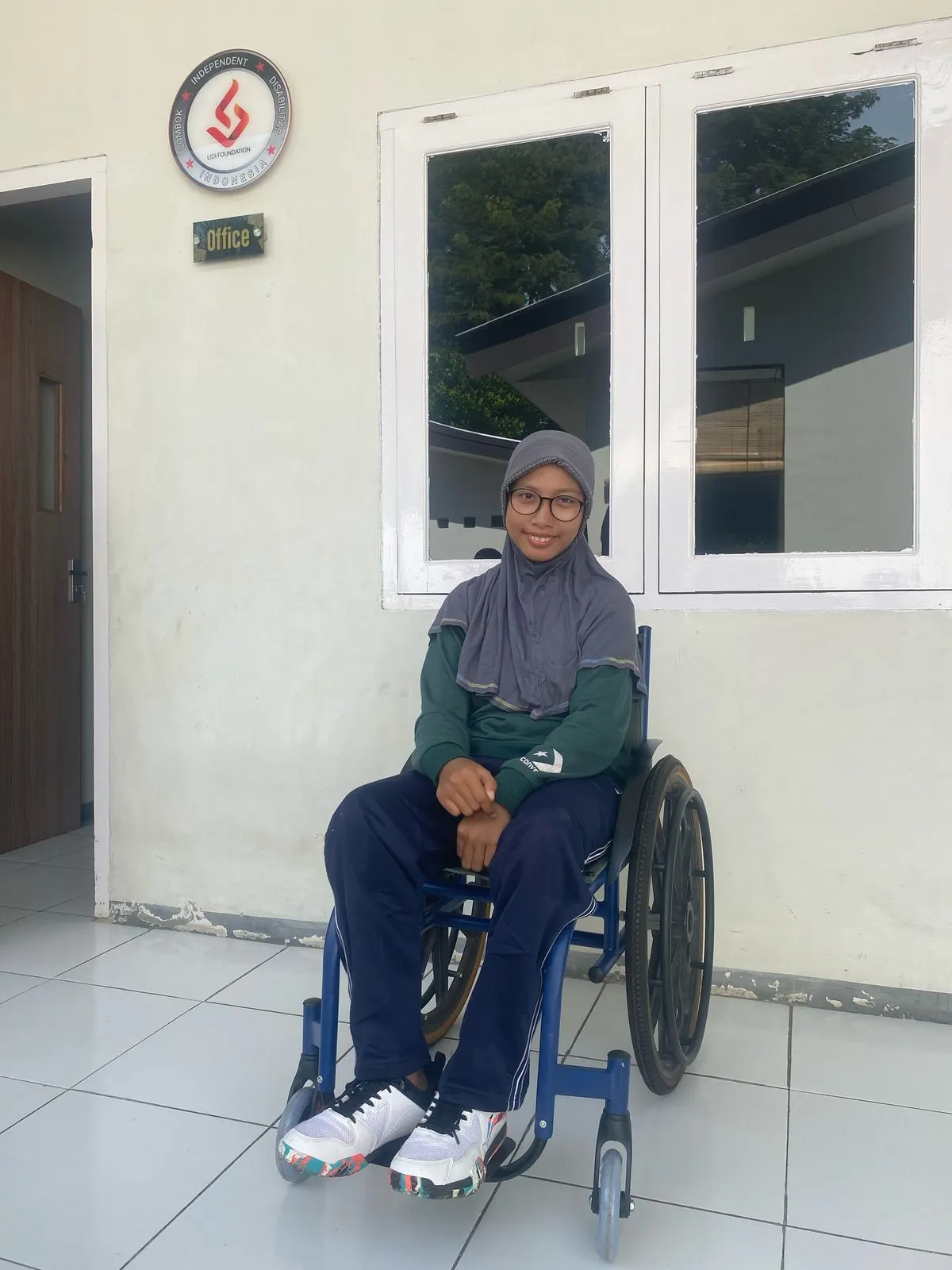
Before the donation, Iman’s days were marked by stillness and longing. He watched life pass by from his window, unable to join in. After receiving the wheelchair, his routine changed overnight. He could move independently, visit neighbors, and even help with small chores. The simple act of rolling outside brought a sense of normalcy and hope. For the first time since his accident, Iman could dream again.
One Act of Generosity, A World of Difference
Wayne Smith’s donation did more than restore mobility—it reignited Iman’s self-worth and autonomy. As Wayne put it,
“Restoring someone’s independence is like returning a piece of their soul.”
This single act of kindness sparked a shift not just in Iman, but in the hearts of those around him. It reminded the community of the importance of accessible healthcare and the need for practical solutions for mobility impairments.
Micro-Stories of Change
- Neighbors’ reactions: At first, people gathered in awe to watch Iman navigate the village lanes. Their curiosity soon turned to admiration, and conversations about disability and resilience began to spread.
- Resumed hobbies: With his newfound mobility, Iman picked up his old hobby of painting. The colors returned not just to his canvas, but to his life and home.
- Laughter returns: Family gatherings grew lively again. The sound of Iman’s laughter, once rare, filled the house, lifting spirits and strengthening bonds.
That First Journey Outside
Iman’s first trip beyond his doorway was more than a physical journey—it was a moment of liberation. The sky seemed wider, the world larger, and hope brighter. For Iman and his community, the wheelchair was more than just four wheels; it was a symbol of possibility and the enduring impact of community support for the disabled in East Lombok.
Behind the Scenes: Why Wheelchair Access Remains a Struggle in Indonesia
For people like Iman in East Lombok, the journey to mobility is filled with unseen barriers. After a motorcycle accident left him completely paralyzed, Iman’s life changed overnight. The arrival of a donated wheelchair from Wayne Smith in Jakarta brought hope and independence back to his daily life. Yet, Iman’s story is not unique. Across Indonesia, thousands face similar struggles—waiting for the chance to move freely again. The challenges behind wheelchair access reveal a much larger issue with assistive technology access and disability support in Indonesia.
Scarcity: The Global Wheelchair Gap
Globally, only 17–37% of people who need wheelchairs actually have access to one. This means millions are left without the basic mobility devices they need, and Indonesia is no exception. In rural areas like East Lombok, the numbers are even lower. The lack of accessibility solutions for the disabled is not just about missing equipment—it’s about missing opportunities for education, work, and social life.
“The hardest part isn’t the disability; it’s watching opportunities pass by simply because of lack of access.”
The Hidden Obstacles: Cost and Logistics in Rural Indonesia
Getting a wheelchair in a city is hard enough, but in rural communities, the obstacles multiply. The cost of a basic wheelchair can be more than a family’s monthly income. Add to that the price of shipping, import taxes, and the challenge of transporting a wheelchair over rough, unpaved roads. For many families, these hurdles are impossible to overcome without outside help.
- High costs put wheelchairs out of reach for low-income families.
- Limited suppliers mean fewer choices and longer wait times.
- Poor infrastructure makes delivery and use difficult in remote villages.
Healthcare Gaps: What Isn’t Covered
Indonesia’s government has made progress in supporting disability rights. However, there is a major gap: Indonesia healthcare resources do not include assistive technologies like wheelchairs in their health insurance plans. This leaves families to pay out of pocket or rely on donations and charity. For people living with disability and poverty, this is a barrier that often cannot be crossed.
Without insurance coverage, even the most basic assistive devices become luxury items. This lack of support further isolates people with disabilities, limiting their ability to participate in school, work, and community life.
Disability, Poverty, and Social Barriers
In Indonesia, disability and poverty go hand in hand. When someone like Iman loses mobility, it often means losing the ability to earn a living or go to school. The cycle deepens as families struggle to afford care and equipment. Social barriers, such as stigma and lack of accessible infrastructure, add another layer to the challenge.
Iman’s new wheelchair is more than just a device—it’s a lifeline. But for many others, the struggle for assistive technology access continues, hidden behind the scenes of daily life in rural Indonesia.
Wheelchair Service Delivery: Not All Journeys Are Created Equal
When Iman, from Pengoros Hamlet in East Lombok, received his wheelchair, it was more than a donation—it was a new beginning. This gift, made possible by Wayne Smith from Jakarta, restored Iman’s mobility and independence after a tragic accident left him paralyzed. But Iman’s story also shines a light on a bigger truth: not all wheelchair service journeys are created equal.
WHO’s 8-Step Approach vs. Other Service Models: What Actually Works?
In Indonesia, wheelchair service delivery varies widely. Some programs simply hand over a wheelchair, while others follow the WHO 8-Step program. This internationally recognized method includes assessment, fitting, training, and follow-up. Research shows that users who receive wheelchairs through the WHO 8-step approach report better mobility, greater participation in daily life, and higher satisfaction compared to those who receive a chair without proper support. In fact, the quality of service delivery often matters more than the wheelchair’s brand or price.
- Assessment: Understanding the user’s needs and environment.
- Prescription: Selecting the right wheelchair type and features.
- Fitting: Adjusting the wheelchair for comfort and function.
- Training: Teaching users how to safely and confidently use their wheelchair.
- Follow-up: Ensuring ongoing support and maintenance.
Training for Both Users and Providers: The Difference It Can Make
A wheelchair is only as good as the skills of the person using it—and the expertise of those who provide it. Service provider training is essential for proper fitting and user instruction. Without it, even the best wheelchair can become a source of frustration or even injury. Wheelchair skills training empowers users like Iman to navigate their homes, communities, and lives with confidence. Studies in Indonesia confirm that users who receive training are healthier, use their wheelchairs more often, and feel more independent.
“The best wheelchair is the one you know how to use.”
Personal Quirks: Why Fit, Skills, and Maintenance Matter More Than Labels
No two wheelchair journeys are the same. Iman’s story reminds us that fit, skills, and maintenance shape satisfaction far more than brand names or fancy features. A wheelchair that is properly fitted and maintained becomes a true extension of the user’s body. When users receive ongoing support, they are more likely to stay healthy and active. Unfortunately, in many parts of Indonesia, a lack of coordination and training among providers limits these benefits. That’s why models like the WHO 8-step program are so important—they put the user’s needs at the center of every step.
Beyond Mobility: Wheelchairs, Pride, and Social Belonging
When Iman of Pengoros Hamlet received his wheelchair, it was much more than a tool for movement—it was a key to unlocking pride, dignity, and a renewed sense of belonging. For many living with paralysis, the journey is not just about overcoming physical barriers, but also about breaking through the disability social barriers that can lead to isolation and lost opportunities. In East Lombok, Iman’s story is a shining example of how community support for the disabled and the right mobility device satisfaction can transform lives far beyond the basics of getting from place to place.
Ripples of Confidence: Mobility Aids and Everyday Life
With his new wheelchair, Iman found more than restored mobility—he discovered a renewed confidence. The ability to move independently allowed him to rejoin family conversations, participate in community events, and even consider new educational possibilities. Research shows that wheelchair satisfaction and skills are significant predictors of physical health among users. For Iman, this satisfaction translated into a visible boost in self-worth and dignity. The wheelchair became a symbol of possibility, not limitation.
- Family Life: Iman could once again share meals at the family table, strengthening bonds that had been strained by his previous immobility.
- Education: With improved access, he could attend local gatherings and educational sessions, opening doors to learning and personal growth.
- Community Engagement: His presence at village events challenged stereotypes and inspired others facing similar challenges.
- Shed the Stigma: Changing Perceptions by Example
In many rural communities, disability is still seen through a lens of pity or stigma. But Iman’s journey is helping to shift that narrative. As neighbors see him navigating the village with pride, they are reminded that cultural adaptation tools like wheelchairs are not just medical devices—they are instruments of inclusion. Positive stories like Iman’s are powerful advocacy tools, helping to dismantle social barriers and encourage acceptance.
“Receiving a wheelchair was the beginning, not the end—it’s up to all of us to keep pushing boundaries.”
A Wild Card Scenario: If Every Village Had a Wayne Smith
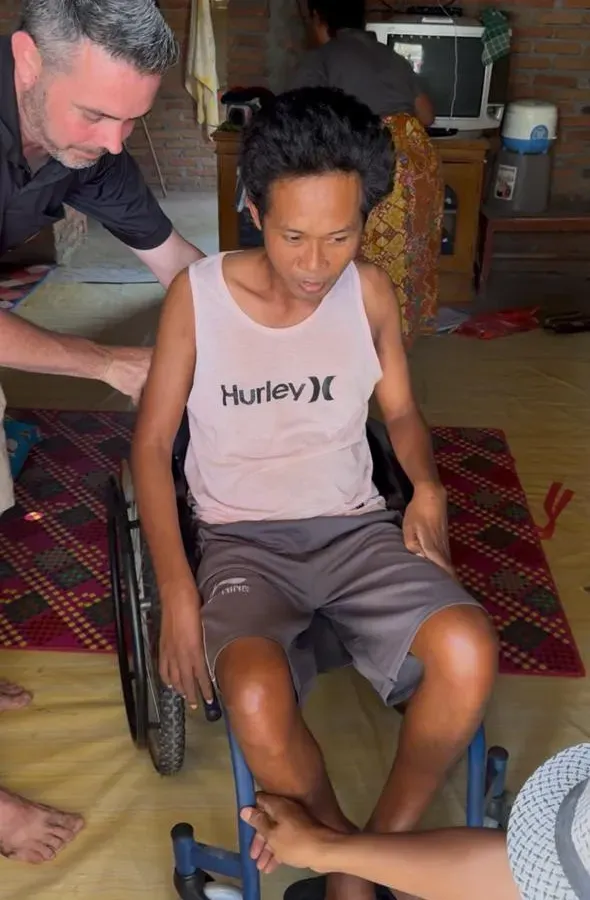
Imagine the possibilities if every village in Lombok had a Wayne Smith—a champion willing to provide not just equipment, but hope. The impact would be profound:
- Reduced social isolation for people with disabilities
- Greater access to education and employment
- Communities enriched by the full participation of all members
Iman’s story proves that with the right community support for the disabled and culturally adapted assistive devices, villages can become places where everyone belongs, and where pride replaces pity.
Next Steps: Building More Accessible Tomorrows in Rural Indonesia
Iman’s journey in East Lombok is a powerful reminder that even a single act of kindness can change the course of a life. After a tragic accident left him completely paralyzed, Iman faced a future of isolation and dependence. Yet, the donation of a wheelchair by Wayne Smith from Jakarta did more than restore his mobility—it reignited his independence and hope. His story is not just about one man’s renewed life; it is a call to action for communities across rural Indonesia to champion rehabilitation and mobility aids for those in need.
The impact of a wheelchair may seem small in the grand scheme, but for Iman, it has meant everything. It has allowed him to reconnect with his village, participate in daily life, and regain a sense of dignity. This transformation shows how community support for the disabled and the right accessibility solutions can break down barriers. As one local healthcare worker observed, “Access is a mindset as much as a policy.” This mindset must become the foundation for future efforts.
To build on Iman’s success, local partnerships are essential. When donors, healthcare workers, and villagers come together, they can create sustainable wheelchair provision services and ensure that no one is left behind. Donors like Wayne Smith provide crucial resources, while healthcare professionals identify those in need and guide rehabilitation. Villagers offer daily support and help integrate individuals back into community life. By replicating this model, other hamlets and villages can bring hope to their most vulnerable members.
However, there is still much to be done. Many rural areas in East Lombok and beyond lack basic infrastructure, such as smooth roads and accessible public transport, making it difficult for people with disabilities to move freely. Policies must evolve to prioritize accessibility solutions for the disabled, not just in healthcare but in every aspect of public life. Local governments, NGOs, and community leaders need to work hand in hand to improve facilities, train caregivers, and raise awareness about the importance of inclusive design.
The long-term vision goes beyond simply providing mobility aids. True progress means holistic rehabilitation—physical therapy, emotional support, and opportunities for meaningful participation in society. It is about creating a world where people like Iman are not defined by their limitations, but by their potential. As more communities embrace this vision, the wheels of change will keep turning, building a brighter, more accessible tomorrow for all of rural Indonesia.
Remember! For just $200 you can make a life time change to some one in need! If you would like to support the "Fiona Unity Foundation", please contact Fiona +62 813 8361 8535.
.#WheelchairProvision, #DisabilityAwareness, #AssistiveTech, #EastLombok, #WHO8Steps, #MobilityRestoration, #CommunitySupport, #InclusiveHealth, #EmpowermentStories, #IndonesiaHealthcare
TL;DR: A story of resilience: In rural East Lombok, a donated wheelchair restored not just mobility, but hope and possibility for Iman after paralysis—reminding us how accessible, well-fitted assistive technology and community support can ignite real change.